



When it comes to handling safety valves, safety precautions are of utmost importance. As a safety valve supplier, I have witnessed firsthand the crucial role these valves play in various industrial and domestic applications. In this blog, I will share some essential safety precautions that should be taken when handling safety valves to ensure their proper functioning and the safety of personnel and equipment.
Understanding the Safety Valve
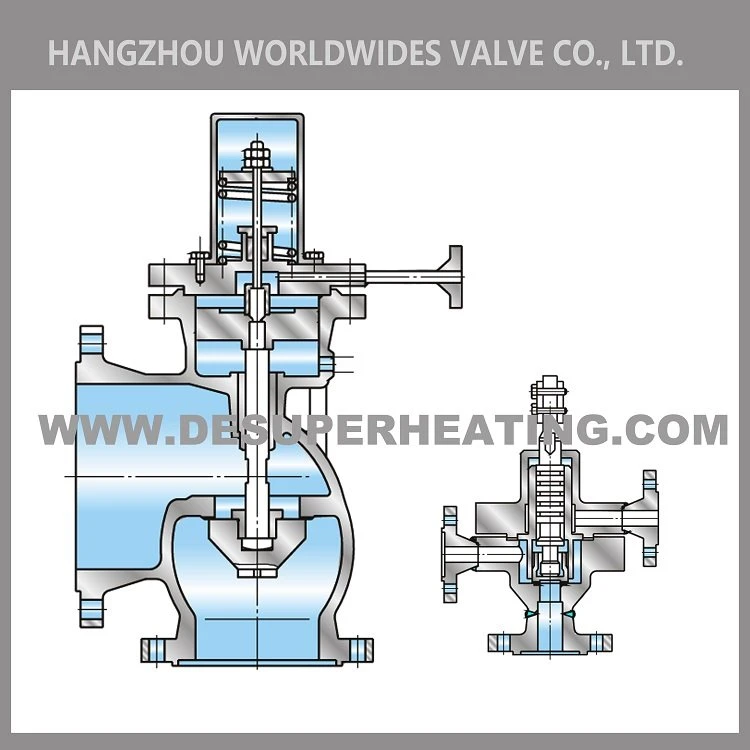
Before delving into the safety precautions, it is essential to have a basic understanding of what a safety valve is and how it works. A safety valve is a mechanical device designed to automatically release a substance from a vessel or system when the pressure exceeds a predetermined set point. This prevents overpressure situations that could lead to catastrophic failures, such as explosions or ruptures.
There are different types of safety valves available, each designed for specific applications. For example, Safety Valve For Solar Water Heater is specifically designed to protect solar water heaters from overpressure, while Heater Safety Valve is used in various heating systems. Bellows Safety Valve is another type that uses a bellows to isolate the spring chamber from the process fluid, providing better protection against corrosion and erosion.

Pre - Handling Precautions
Training and Knowledge
All personnel involved in handling safety valves should receive proper training. This training should cover the basic principles of safety valve operation, the specific type of safety valve being handled, and the potential hazards associated with it. Workers should understand the set pressure, flow capacity, and other critical parameters of the safety valve. They should also be familiar with the relevant industry standards and regulations, such as ASME (American Society of Mechanical Engineers) codes, which govern the design, installation, and maintenance of safety valves.
Inspection
Before handling a safety valve, a thorough visual inspection should be carried out. Check for any signs of physical damage, such as cracks, dents, or corrosion on the valve body, bonnet, and other components. Inspect the valve seat and disc for wear or damage, as these can affect the valve's sealing performance. Ensure that all the connections, such as flanges or threads, are in good condition and free from leaks.
Personal Protective Equipment (PPE)
Appropriate PPE should be worn when handling safety valves. This may include safety glasses to protect the eyes from flying debris, gloves to protect the hands from sharp edges and chemical exposure, and safety shoes to prevent foot injuries. In some cases, depending on the application, additional PPE such as face shields or respirators may be required.
Handling During Installation
Correct Installation
Proper installation is crucial for the correct functioning of a safety valve. The valve should be installed in the correct orientation, as specified by the manufacturer. This ensures that the valve can operate freely and discharge the fluid in the intended direction. Follow the installation instructions carefully, including the tightening torque for the connections. Over - tightening or under - tightening can lead to leaks or improper valve operation.
Piping and Support
The piping connected to the safety valve should be properly sized and supported. The inlet and outlet piping should be able to handle the flow rate and pressure of the fluid without causing excessive pressure drops. Adequate support should be provided to the piping and the valve itself to prevent vibration and misalignment, which can affect the valve's performance.
Isolation
Before installing or removing a safety valve, the system should be properly isolated. This involves shutting off the supply of the fluid to the valve and relieving the pressure in the system. Isolation valves should be used to ensure that the safety valve can be safely removed or installed without the risk of fluid leakage or sudden pressure release.
Handling During Maintenance
Regular Maintenance Schedule
Establish a regular maintenance schedule for safety valves. This may include periodic inspection, testing, and calibration. Maintenance should be carried out by qualified personnel who have the necessary skills and knowledge. During maintenance, the valve should be disassembled, cleaned, and inspected for wear and damage. Any worn or damaged components should be replaced.
Testing and Calibration
Safety valves should be tested and calibrated at regular intervals to ensure that they are operating within the specified set pressure. This can be done using specialized testing equipment. The testing process should be carried out in accordance with the relevant standards and procedures. Calibration ensures that the valve will open at the correct pressure and discharge the required amount of fluid.
Documentation
Keep detailed records of all maintenance activities, including inspection results, testing data, and component replacements. This documentation is important for traceability and compliance with regulatory requirements. It also helps in identifying any trends or potential problems with the safety valve over time.
Handling During Emergency Situations
Emergency Response Plan
Have an emergency response plan in place for situations where a safety valve fails or operates unexpectedly. The plan should outline the steps to be taken to contain the situation, protect personnel, and minimize damage to the equipment and the environment. This may include procedures for shutting down the system, evacuating the area, and notifying the relevant authorities.
Quick Shutdown
In case of an emergency, it is important to be able to quickly shut down the system to prevent further damage. Isolation valves should be easily accessible and operable so that the flow of the fluid can be stopped immediately.
Post - Handling Precautions
System Check
After handling a safety valve, conduct a thorough check of the system to ensure that everything is in proper working order. Check for any leaks, abnormal noises, or changes in pressure. Monitor the system for a period of time to ensure that the safety valve is functioning correctly.
Communication
Communicate any changes or issues related to the safety valve to the relevant personnel, such as operators, maintenance staff, and management. This ensures that everyone is aware of the status of the safety valve and can take appropriate actions if necessary.
Conclusion
Handling safety valves requires strict adherence to safety precautions at every stage, from pre - handling to post - handling. By following these precautions, we can ensure the proper functioning of safety valves, protect personnel and equipment, and comply with industry standards and regulations. As a safety valve supplier, I am committed to providing high - quality products and sharing knowledge about safety valve handling to our customers.
If you are in need of safety valves for your industrial or domestic applications, we are here to assist you. We offer a wide range of safety valves, including Safety Valve For Solar Water Heater, Heater Safety Valve, and Bellows Safety Valve. Contact us to discuss your specific requirements and explore the best solutions for your needs.
References
- ASME Boiler and Pressure Vessel Code
- Manufacturer's installation, operation, and maintenance manuals for safety valves
- OSHA (Occupational Safety and Health Administration) regulations related to pressure vessels and safety devices


