

How to choose a solenoid valve for a control valve system?
As a seasoned provider in the control valve industry, I understand the critical role that solenoid valves play within control valve systems. Selecting the right solenoid valve is not just a matter of matching specifications; it's about ensuring optimal performance, reliability, and efficiency for your entire system. In this blog, I'll share some key considerations to help you make an informed decision when choosing a solenoid valve for your control valve system.
1. Understand the System Requirements
The first step in choosing a solenoid valve is to have a comprehensive understanding of your control valve system's requirements. This includes factors such as the type of fluid or gas being controlled, the operating pressure and temperature, the flow rate, and the required response time.
- Fluid or Gas Type: Different solenoid valves are designed to handle specific types of fluids or gases. For example, some valves are suitable for water, while others are designed for air, steam, or chemical substances. It's crucial to choose a valve that is compatible with the medium in your system to prevent corrosion, leakage, or other performance issues.
- Operating Pressure and Temperature: The operating pressure and temperature of your system will determine the pressure rating and temperature range of the solenoid valve. Make sure to select a valve that can withstand the maximum pressure and temperature conditions in your application to ensure safe and reliable operation.
- Flow Rate: The flow rate of your system is another important factor to consider. The solenoid valve should be sized appropriately to handle the required flow rate without causing excessive pressure drop or flow restrictions. You can calculate the required flow rate based on the system's design specifications and use this information to select the right valve size.
- Response Time: The response time of the solenoid valve refers to the time it takes for the valve to open or close after receiving an electrical signal. Depending on your application, you may require a fast-acting valve with a short response time or a slower valve with a longer response time. Consider the system's control requirements and the desired level of precision when choosing a valve with the appropriate response time.
2. Consider the Valve Type
There are several types of solenoid valves available, each with its own unique features and applications. The most common types of solenoid valves include direct-acting valves, pilot-operated valves, and proportional valves.

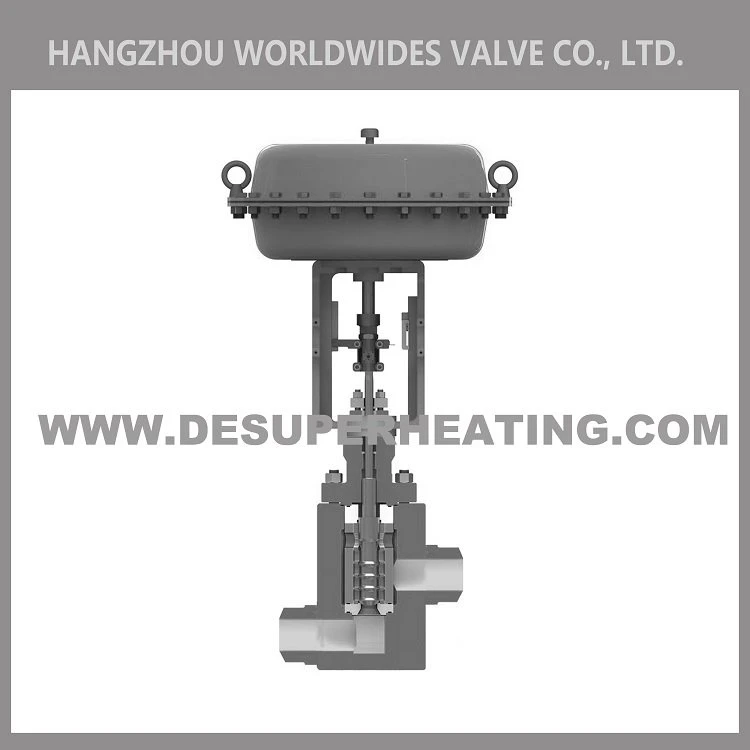
- Direct-Acting Valves: Direct-acting solenoid valves are the simplest type of solenoid valve. They operate by directly opening or closing the valve seat using an electromagnetic coil. These valves are suitable for applications with low to medium flow rates and pressures and are typically used in simple on/off control applications.
- Pilot-Operated Valves: Pilot-operated solenoid valves use a small pilot valve to control the flow of fluid or gas through the main valve. These valves are more suitable for applications with high flow rates and pressures and are often used in industrial and commercial applications.
- Proportional Valves: Proportional solenoid valves are designed to provide precise control of the flow rate or pressure by adjusting the position of the valve spool or poppet in proportion to the electrical input signal. These valves are commonly used in applications that require accurate control, such as in process control systems and automation applications.
When choosing a solenoid valve, consider the specific requirements of your application and select the valve type that best meets your needs.
3. Evaluate the Valve Material
The material of the solenoid valve is an important consideration, especially when dealing with corrosive or abrasive fluids or gases. The valve body, seat, and other internal components should be made of materials that are compatible with the medium in your system to prevent corrosion, wear, and other damage.
- Stainless Steel: Stainless steel is a popular choice for solenoid valves due to its excellent corrosion resistance and durability. It is suitable for a wide range of applications, including those involving water, air, and chemical substances.
- Brass: Brass is another commonly used material for solenoid valves. It is relatively inexpensive and has good corrosion resistance, making it suitable for applications with low to medium corrosive fluids or gases.
- Plastic: Plastic solenoid valves are lightweight, inexpensive, and have good chemical resistance. They are often used in applications where weight and cost are important factors, such as in consumer products and medical devices.
Consider the chemical properties of the fluid or gas in your system and select the valve material that provides the best combination of corrosion resistance, durability, and cost-effectiveness.
4. Look for Additional Features
In addition to the basic requirements, there are several additional features that you may want to consider when choosing a solenoid valve for your control valve system. These features can enhance the performance, reliability, and functionality of the valve and make it more suitable for your specific application.
- Fail-Safe Operation: Fail-safe operation is an important feature in applications where safety is a concern. A fail-safe solenoid valve is designed to automatically close or open in the event of a power failure or other system malfunction to prevent damage to the system or equipment.
- Manual Override: A manual override feature allows you to manually open or close the solenoid valve in case of an emergency or when the electrical control system fails. This can be a useful feature in applications where immediate action is required.
- Flow Control: Some solenoid valves are equipped with flow control features, such as adjustable orifices or needle valves, that allow you to regulate the flow rate of the fluid or gas through the valve. This can be useful in applications where precise flow control is required.
- Diagnostic Features: Diagnostic features, such as position sensors and feedback signals, can provide real-time information about the status of the solenoid valve and help you detect and troubleshoot any issues quickly. This can improve the reliability and efficiency of your control valve system.
Consider the specific requirements of your application and look for solenoid valves that offer the additional features that are important to you.
5. Choose a Reliable Supplier
Finally, it's important to choose a reliable supplier when purchasing a solenoid valve for your control valve system. A reputable supplier will offer high-quality products, provide technical support and assistance, and stand behind their products with a warranty.
As a control valve supplier, we offer a wide range of solenoid valves to meet the needs of various applications. Our Adjustable Flow Control Valve is designed to provide precise flow control, while our Sprayer Control Valve is suitable for applications involving spraying and irrigation. Our Air Pump Control Valve is ideal for controlling the flow of air in pneumatic systems.
We have a team of experienced engineers and technicians who can help you select the right solenoid valve for your control valve system and provide installation, maintenance, and repair services. If you have any questions or need assistance with choosing a solenoid valve, please don't hesitate to contact us. We look forward to working with you to meet your control valve needs.



