



What is the influence of body material on a check valve's performance?
As a well - established check valve supplier, I've witnessed firsthand how the choice of body material can significantly impact a check valve's performance. In this blog, we'll explore the various ways in which different body materials affect the functionality, durability, and overall effectiveness of check valves.
1. Corrosion Resistance
One of the most critical factors influenced by the body material is corrosion resistance. Check valves are often used in a wide range of environments, from clean water systems to highly corrosive chemical processing plants.
For instance, in a water treatment facility where the water may contain small amounts of chlorine and other chemicals, a check valve made of stainless steel can offer excellent corrosion resistance. Stainless steel, such as 304 or 316 grade, forms a passive oxide layer on its surface that protects it from the corrosive effects of the water and chemicals. This means the valve can operate for an extended period without significant degradation, ensuring reliable backflow prevention.
On the other hand, if a carbon steel check valve is used in a similar environment, it may start to corrode over time. Corrosion can lead to pitting on the valve body, which not only weakens the structure but can also cause the valve to leak or malfunction. In more aggressive chemical environments, materials like Hastelloy or titanium may be required. These exotic alloys are specifically designed to withstand highly corrosive substances such as strong acids or alkalis.
2. Temperature and Pressure Resistance
The body material also plays a crucial role in determining the temperature and pressure limits of a check valve. Different materials have different melting points, thermal expansion coefficients, and mechanical strengths, which affect their performance under varying temperature and pressure conditions.
In high - temperature applications, such as steam systems, the valve body needs to be able to withstand the heat without deforming or losing its sealing properties. For example, cast iron check valves are commonly used in low - to medium - temperature steam applications. However, for high - pressure and high - temperature steam systems, forged steel or alloy steel check valves are more suitable. These materials have higher strength and better heat resistance, allowing them to maintain their integrity under extreme conditions.
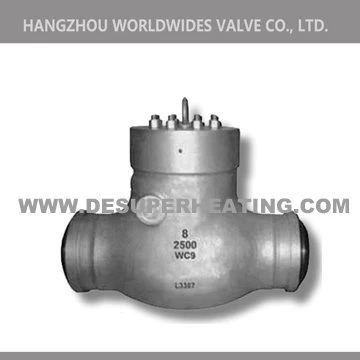
When it comes to pressure, materials with higher yield strength can withstand greater pressure differentials. For example, a check valve made of a high - strength alloy steel can handle much higher pressures than a valve made of a plastic material. Plastic check valves are generally used in low - pressure applications, such as domestic water systems or some light - duty industrial processes, where the pressure is relatively low.
3. Weight and Installation
The weight of the check valve body material can also have an impact on its installation and overall system design. Heavier materials, such as cast iron or forged steel, may require more robust support structures during installation. This can increase the installation cost and complexity, especially in large - scale industrial projects.
Lighter materials, such as plastic or aluminum, are easier to handle and install. They may also be more suitable for applications where weight is a critical factor, such as in aerospace or marine applications. However, it's important to note that lighter materials may have limitations in terms of strength and durability compared to heavier metals.
4. Flow Characteristics
The internal surface finish and smoothness of the valve body, which are related to the body material and manufacturing process, can affect the flow characteristics of the check valve. A rough internal surface can cause turbulence in the fluid flow, leading to increased pressure drop and energy losses.
For example, stainless steel check valves often have a smooth internal surface finish, which promotes laminar flow and reduces pressure drop. This is particularly important in applications where energy efficiency is a priority, such as in large - scale water distribution systems or pumping stations. On the other hand, some cast materials may have a rougher internal surface, which can cause more significant flow disturbances.
5. Compatibility with Fluids
The body material must be compatible with the fluid flowing through the check valve. Different fluids have different chemical properties, and using an incompatible material can lead to chemical reactions, contamination of the fluid, or damage to the valve.
In food and beverage processing, for example, check valves made of materials that are approved for contact with food, such as stainless steel or certain types of plastics, are required. These materials do not leach harmful substances into the food product, ensuring product safety. In the pharmaceutical industry, the same high - level of material compatibility is necessary to prevent contamination of drugs.
Case Study: Swing Check Valve For Steam
A good example of how body material affects performance can be seen in Swing Check Valve For Steam. In steam applications, the high temperature and pressure require a valve body material that can withstand these conditions. A swing check valve made of forged steel is often preferred for steam systems.
Forged steel has excellent mechanical properties, including high strength and toughness. It can handle the high - pressure steam flow without deforming or cracking. The smooth internal surface of the forged steel body also helps to reduce pressure drop and ensure efficient steam flow. Additionally, forged steel has good corrosion resistance to the moisture and oxygen present in steam, which helps to extend the valve's service life.
In conclusion, the choice of body material for a check valve is a critical decision that can have a profound impact on its performance. As a check valve supplier, we understand the importance of selecting the right material for each application. Whether it's for a simple water system or a complex industrial process, we have a wide range of check valves made from different materials to meet our customers' needs.
If you're in the market for check valves and need help choosing the right body material for your specific application, please don't hesitate to contact us. Our team of experts is ready to assist you in making the best decision for your project.
References
- ASME Boiler and Pressure Vessel Code
- API Standards for Valves in the Oil and Gas Industry
- ASTM Standards for Materials and Testing
- Valve Manufacturers Association (VMA) Publications


