

Hey there! As a supplier of Heater Safety Valve, I've been asked this question a lot: Can a heater operate without a safety valve? Well, let's dig into this topic and find out.
First off, let's understand what a heater safety valve does. In simple terms, it's a crucial component that helps maintain the safety of your heater. Heaters, whether they're used in industrial settings or for home heating, generate heat by burning fuel or using electricity. During this process, pressure can build up inside the heater. If the pressure gets too high, it can lead to some serious problems, like explosions or leaks. That's where the safety valve comes in. It acts as a pressure relief device. When the pressure inside the heater reaches a certain level, the safety valve opens up, allowing the excess pressure to escape. This helps prevent any dangerous situations from occurring.
Now, let's get back to the question: Can a heater operate without a safety valve? Technically, yes, it can. A heater can still produce heat without a safety valve. But here's the thing - it's extremely risky. Without a safety valve, there's no way to control the pressure inside the heater. As the pressure continues to build up, it can cause damage to the heater itself. The high pressure can lead to cracks in the heater's walls or pipes, which can result in leaks of hot water, steam, or even flammable gases. These leaks can be a major fire hazard, not to mention a danger to anyone in the vicinity.
In an industrial setting, the consequences of operating a heater without a safety valve can be even more severe. Industrial heaters are often much larger and more powerful than home heaters, which means they can generate a lot more pressure. If an industrial heater were to malfunction due to excessive pressure, it could cause a large-scale explosion. This could lead to significant property damage, injuries, and even loss of life. In addition, many industrial regulations require heaters to be equipped with safety valves to ensure the safety of workers and the surrounding environment.
Even in a home setting, the risks are still very real. For example, a water heater without a safety valve can overheat and cause the water inside to turn into steam. The steam can build up pressure inside the tank, and if the pressure gets too high, the tank could burst. This could result in a flood of scalding hot water, which can cause serious burns and damage to your home.
Another important aspect to consider is the longevity of the heater. When a heater operates without a safety valve, the constant high pressure can put a lot of stress on its components. This can cause the components to wear out more quickly, leading to more frequent breakdowns and a shorter lifespan for the heater. In the long run, it can end up costing you more money in repairs and replacements.
Now, you might be thinking, "Well, I've never had a problem with my heater without a safety valve." But that doesn't mean you're in the clear. Just because you haven't experienced an issue yet doesn't mean it won't happen. It's like playing Russian roulette - you might get lucky a few times, but eventually, the odds are going to catch up with you.
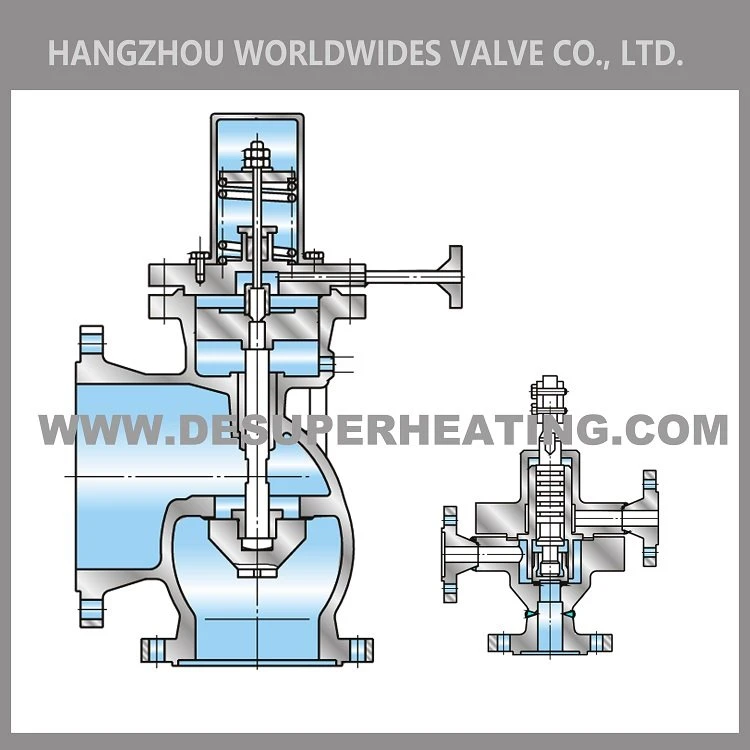

As a supplier of Heater Safety Valve, I've seen firsthand the importance of these valves. We offer a wide range of safety valves for different types of heaters, including Compressor Safety Valve and Safety Valve For Solar Water Heater. Our valves are designed to meet the highest safety standards and are built to last.
If you're in the market for a safety valve for your heater, it's important to choose the right one. There are different types of safety valves available, and each one is designed for a specific type of heater and pressure range. You need to make sure you select a valve that is compatible with your heater and can handle the maximum pressure it can generate.
In conclusion, while a heater can technically operate without a safety valve, it's not a good idea. The risks far outweigh any potential benefits. Investing in a high-quality safety valve is a small price to pay for the peace of mind and safety it provides. Whether you're a homeowner or an industrial operator, protecting your heater with a safety valve is essential.
If you're interested in learning more about our Heater Safety Valve products or have any questions about choosing the right valve for your heater, don't hesitate to reach out. We're here to help you make the best decision for your needs.
References:
- "Safety Guidelines for Heater Operation" - Industry Safety Manual
- "The Importance of Pressure Relief Devices in Heating Systems" - Journal of Heating Technology



