

Hey there! As a supplier of Compressor Safety Valves, I often get asked about the normal pressure setting of these crucial components. So, let's dive right in and break it down.
First off, what exactly is a Compressor Safety Valve? Well, it's a vital part of any compressor system. Its main job is to protect the compressor and the entire system from over - pressurization. When the pressure inside the compressor exceeds a certain limit, the safety valve kicks in and releases the excess pressure, preventing potential damage, explosions, or other dangerous situations.
Now, onto the big question: what's the normal pressure setting? There isn't a one - size - fits - all answer here. The normal pressure setting of a Compressor Safety Valve depends on several factors.
System Design and Requirements
The design of the compressor system itself plays a huge role. Different types of compressors, such as reciprocating compressors, rotary screw compressors, or centrifugal compressors, have different operating pressure ranges. For example, reciprocating compressors can operate at relatively high pressures, sometimes up to 10,000 psi or more in some industrial applications. In contrast, rotary screw compressors typically operate in the range of 100 - 200 psi for most common industrial and commercial uses.
The safety valve's pressure setting needs to be set according to the maximum allowable working pressure (MAWP) of the compressor system. The MAWP is determined during the design phase of the system and takes into account factors like the strength of the compressor's materials, the design of the piping, and the overall system's intended use.
Industry Standards and Regulations
Another important factor is industry standards and regulations. Different industries have their own set of rules regarding compressor safety valve pressure settings. For instance, in the oil and gas industry, the American Petroleum Institute (API) has specific standards for compressor safety valves. These standards ensure that the safety valves are set at appropriate pressures to prevent any catastrophic failures that could lead to environmental disasters or endanger human lives.
Similarly, in the manufacturing industry, the Occupational Safety and Health Administration (OSHA) in the United States has regulations in place to ensure workplace safety. Compressor safety valves must be set in accordance with these regulations to avoid any legal issues and to keep the workplace safe for employees.
Common Pressure Setting Ranges
In general, for small - to - medium - sized compressors used in commercial and light industrial applications, the normal pressure setting of a safety valve might be in the range of 125 - 150 psi. This is suitable for applications like air compressors used in workshops, automotive repair shops, and small manufacturing facilities.
For larger industrial compressors, especially those used in chemical plants, refineries, and power generation facilities, the pressure settings can be much higher. They can range from 300 psi to several thousand psi, depending on the specific requirements of the process.
Importance of Correct Pressure Setting
Setting the pressure of the safety valve correctly is of utmost importance. If the pressure setting is too low, the safety valve may open prematurely, causing unnecessary pressure relief and potentially disrupting the normal operation of the compressor system. This can lead to increased energy consumption, reduced efficiency, and higher maintenance costs.
On the other hand, if the pressure setting is too high, the safety valve may not open when it should. This can result in over - pressurization of the compressor system, which can cause serious damage to the compressor, pipes, and other components. In the worst - case scenario, it can lead to an explosion or a major system failure, putting lives and property at risk.
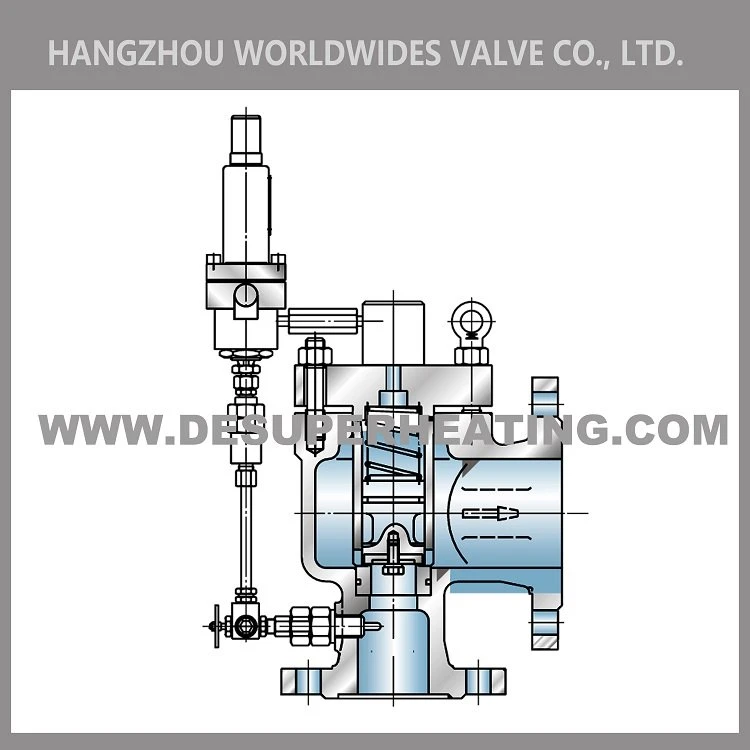
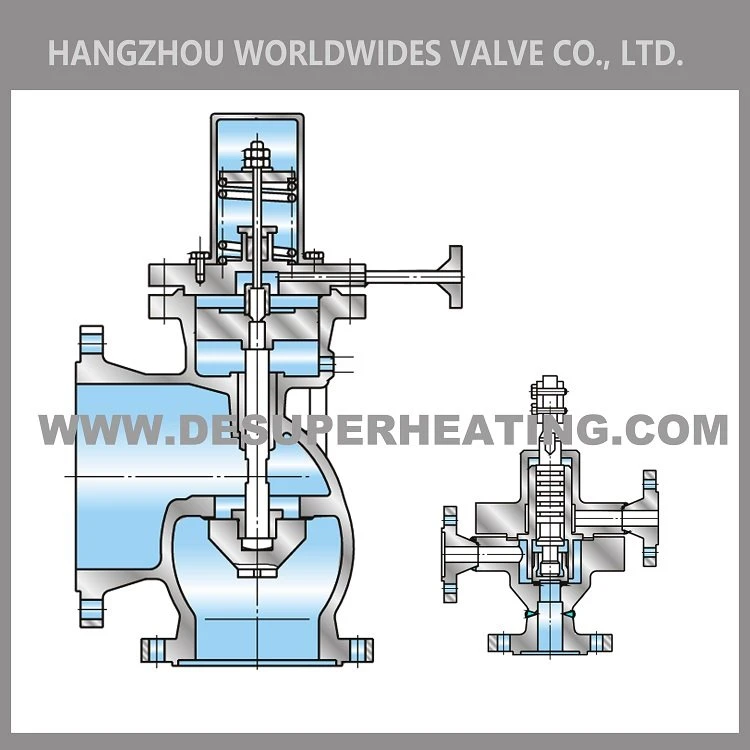
Our Range of Compressor Safety Valves
As a supplier, we offer a wide range of Compressor Safety Valves to meet different pressure setting requirements. Whether you need a valve for a small - scale operation or a large industrial compressor, we've got you covered.
We also have other types of safety valves that might be of interest to you. Check out our Heater Safety Valve, which is designed to protect heaters from over - pressurization. Our Stainless Steel Pressure Relief Valve is ideal for applications where corrosion resistance is a must. And if you're dealing with CO2 systems, our Co2 Pressure Relief Valve is the perfect choice.
Customization and Support
We understand that every compressor system is unique, and sometimes off - the - shelf solutions may not be enough. That's why we offer customization services. Our team of experts can work with you to determine the correct pressure setting for your specific compressor system and then customize a safety valve accordingly.
We also provide comprehensive support to our customers. From installation guidance to maintenance tips, we're here to ensure that your compressor safety valve works effectively and reliably throughout its lifespan.
Contact Us for Purchase and Consultation
If you're in the market for a Compressor Safety Valve or have any questions about pressure settings, we'd love to hear from you. Whether you're a small business owner looking for a simple solution or a large corporation with complex requirements, we can help you find the right safety valve for your needs. Don't hesitate to reach out and start a conversation about your compressor safety valve requirements. We're committed to providing high - quality products and excellent customer service.
References
- American Petroleum Institute (API) Standards
- Occupational Safety and Health Administration (OSHA) Regulations
- Compressor Manufacturer's Manuals



