

Hey there! As a check valve supplier, I often get asked about the maintenance interval of check valves. It's a crucial topic because proper maintenance ensures the longevity and efficient performance of these valves. In this blog, I'll break down the factors that influence the maintenance interval and give you some practical tips.
First off, let's understand what a check valve does. A check valve is a simple yet vital device in a piping system. Its main job is to allow fluid (like water, gas, or steam) to flow in one direction and prevent backflow. This is super important in many industrial and commercial applications, as backflow can cause all sorts of problems, from equipment damage to safety hazards.
Now, the maintenance interval of a check valve isn't a one - size - fits - all thing. There are several factors that come into play.
Fluid Type
The type of fluid flowing through the check valve has a huge impact on how often it needs maintenance. For instance, if you're dealing with clean water, the valve is likely to have a longer maintenance interval compared to a valve handling dirty or corrosive fluids. Clean water doesn't leave behind much residue or cause significant wear and tear. On the other hand, corrosive fluids like acids or chemicals can eat away at the valve's internal components over time.
Let's say you have a check valve in a water treatment plant where the water is relatively clean. You might be able to go for a year or more between maintenance checks. But if the valve is in a chemical processing plant, you may need to inspect it every few months.
Operating Conditions
The conditions under which the check valve operates also matter a great deal. High - pressure systems put more stress on the valve than low - pressure ones. A valve in a high - pressure steam line, for example, has to withstand a lot of force. This can cause the valve's seats and seals to wear out faster.
Similarly, high - temperature environments can affect the material properties of the valve. Some materials may expand or contract at different rates, leading to leaks or improper functioning. If a check valve is operating in a high - temperature, high - pressure environment, you'll probably need to check it more frequently, maybe every 3 - 6 months.
Valve Design and Quality
The design and quality of the check valve itself play a role in determining the maintenance interval. Well - designed valves with high - quality materials are generally more durable and require less frequent maintenance. For example, a Swing Check Valve For Steam that is built with corrosion - resistant materials and precision - engineered components will last longer than a cheaper, poorly made alternative.
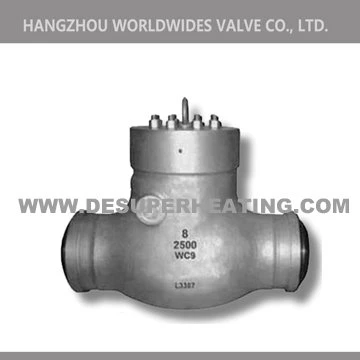
If you've invested in a top - notch check valve from a reputable manufacturer, you can expect a longer maintenance interval. However, even the best valves need regular checks to ensure they're working properly.
Usage Frequency
How often the check valve is used also affects its maintenance needs. A valve that is constantly opening and closing will experience more wear and tear than one that is used only occasionally. In a continuous - flow system, the valve is under constant stress, and you may need to perform maintenance more often. For intermittent use, you can stretch out the time between maintenance checks.
Signs That a Check Valve Needs Maintenance
Even with a set maintenance interval, it's important to keep an eye out for signs that the check valve needs attention sooner. Here are some common indicators:
- Leakage: If you notice any fluid leaking from the valve, it's a clear sign that something is wrong. Leaks can be caused by worn - out seals, damaged seats, or cracks in the valve body.
- Noisy Operation: Unusual noises, such as rattling or banging, can indicate that the valve is not functioning correctly. This could be due to loose components or debris inside the valve.
- Reduced Flow: If you observe a decrease in the flow rate through the valve, it may be clogged or damaged. Debris can build up inside the valve, restricting the flow of fluid.
Maintenance Tips
Now that we've covered the factors affecting the maintenance interval, here are some tips to keep your check valves in good shape:
- Regular Inspections: Conduct visual inspections at the recommended intervals. Look for signs of corrosion, wear, and damage. Check the valve's mounting and connections to make sure they're secure.
- Cleaning: If the valve is clogged with debris, clean it thoroughly. Use appropriate cleaning agents that won't damage the valve's materials.
- Lubrication: Some check valves require lubrication to ensure smooth operation. Follow the manufacturer's recommendations for the type and frequency of lubrication.
- Replacement of Worn Parts: If you find any worn or damaged parts during the inspection, replace them immediately. Using worn parts can lead to more serious problems down the line.
General Maintenance Intervals
Based on the factors we've discussed, here are some general guidelines for maintenance intervals:
- Low - stress applications (clean water, low pressure, low temperature, infrequent use): 1 - 2 years between inspections.
- Moderate - stress applications (moderate pressure, temperature, and usage frequency): 6 - 12 months.
- High - stress applications (corrosive fluids, high pressure, high temperature, continuous use): 3 - 6 months.
Remember, these are just guidelines, and you should always refer to the manufacturer's recommendations for your specific check valve.
In conclusion, the maintenance interval of a check valve depends on a variety of factors. By understanding these factors and following the right maintenance practices, you can ensure that your check valves operate efficiently and last a long time.
If you're in the market for high - quality check valves or need more information about their maintenance, don't hesitate to reach out. We're here to help you find the best solutions for your piping systems. Whether you're a small business or a large industrial operation, we have the expertise and products to meet your needs. Contact us today to start a conversation about your check valve requirements and how we can assist you in keeping your systems running smoothly.
References
- Valve Handbook: A Guide to Valve Selection, Installation, and Maintenance.
- ASME Standards for Pressure - Relief and Check Valves.
- Manufacturer's manuals for various check valve models.



