



As a supplier of steam desuperheaters, I understand the critical role these devices play in various industrial processes. A steam desuperheater is designed to reduce the temperature of superheated steam to a desired level, ensuring the efficient and safe operation of downstream equipment. However, the reliability of a steam desuperheater can be affected by several factors, including improper installation, poor maintenance, and the quality of the desuperheater itself. In this blog post, I will share some insights on how to improve the reliability of a steam desuperheater, drawing on my experience in the industry.
Understanding the Basics of a Steam Desuperheater
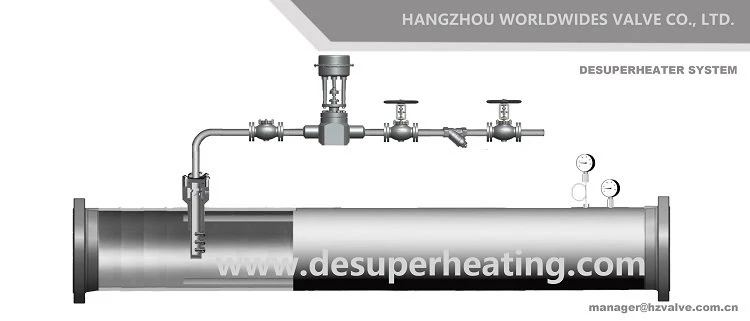
Before delving into the ways to improve reliability, it is essential to understand the basic working principle of a steam desuperheater. A Desuperheater works by injecting a controlled amount of water into the superheated steam. The water evaporates, absorbing the heat from the steam and reducing its temperature. There are different types of desuperheaters, such as direct contact desuperheaters and surface desuperheaters, each with its own advantages and applications.
Selecting the Right Desuperheater
The first step in ensuring the reliability of a steam desuperheater is selecting the right one for your specific application. Consider the following factors when making your choice:
Steam Flow Rate and Temperature
Determine the maximum and minimum steam flow rates and the inlet and outlet steam temperatures. This information is crucial for sizing the desuperheater correctly. An undersized desuperheater may not be able to achieve the desired temperature reduction, while an oversized one can lead to inefficient operation and increased costs.
Water Quality
The quality of the water used for desuperheating can significantly impact the performance and reliability of the desuperheater. Water with high levels of impurities, such as minerals and dissolved solids, can cause scaling and corrosion inside the desuperheater. Use high - quality, treated water to minimize these issues.
System Pressure
The operating pressure of the steam system is another important consideration. The desuperheater must be designed to withstand the pressure of the steam and the water injection. Make sure the desuperheater's pressure rating is appropriate for your system.
Proper Installation
Proper installation is key to the reliable operation of a steam desuperheater. Here are some installation guidelines:
Follow Manufacturer's Instructions
Always follow the manufacturer's installation instructions carefully. These instructions are based on extensive testing and engineering knowledge and will ensure that the desuperheater is installed correctly.
Location
Install the desuperheater in a location where it is easily accessible for maintenance and inspection. It should also be installed in a straight section of the steam pipe to ensure uniform mixing of the water and steam. Avoid installing the desuperheater near elbows, bends, or valves that can cause uneven flow patterns.
Piping Connections
Make sure all piping connections are properly sealed and tightened. Leaks can lead to a loss of steam and water, affecting the performance of the desuperheater. Use appropriate gaskets and fittings for the connections.
Regular Maintenance
Regular maintenance is essential for improving the reliability of a steam desuperheater. Here are some maintenance tasks:
Inspection
Regularly inspect the desuperheater for signs of wear, corrosion, and scaling. Check the nozzles for blockages and the internal components for damage. Inspect the piping connections for leaks. Early detection of problems can prevent more serious issues from developing.
Cleaning
Clean the desuperheater periodically to remove any scale or deposits that may have accumulated. Depending on the type of desuperheater and the water quality, different cleaning methods may be used, such as chemical cleaning or mechanical cleaning.
Testing
Conduct regular performance tests on the desuperheater to ensure it is operating within the specified parameters. Measure the inlet and outlet steam temperatures, water flow rates, and steam pressure. Compare the results with the design specifications to identify any deviations.
Monitoring and Control
Implement a monitoring and control system to ensure the reliable operation of the steam desuperheater.
Temperature and Pressure Sensors
Install temperature and pressure sensors at the inlet and outlet of the desuperheater. These sensors can provide real - time data on the operating conditions of the desuperheater. Use a control system to adjust the water injection rate based on the steam temperature and pressure.
Flow Meters
Install flow meters to measure the steam and water flow rates. This information can be used to optimize the operation of the desuperheater and ensure that the correct amount of water is being injected.
Alarm Systems
Set up alarm systems to alert operators when the operating conditions of the desuperheater deviate from the normal range. This can help prevent equipment damage and ensure the safety of the system.
Training and Operator Knowledge
Ensure that the operators of the steam desuperheater are properly trained. They should have a good understanding of the working principle of the desuperheater, the operating procedures, and the maintenance requirements. Provide regular training sessions to keep the operators updated on the latest best practices.
The Role of a Desuperheater In Boiler
In a boiler system, a desuperheater plays a vital role in controlling the steam temperature. It helps to protect the downstream equipment, such as turbines and heat exchangers, from the damaging effects of superheated steam. By improving the reliability of the desuperheater in a boiler system, you can enhance the overall efficiency and safety of the boiler operation.
Desuperheating For Superheated Steam: Ensuring Optimal Performance
Desuperheating superheated steam is a complex process that requires careful control and monitoring. By following the steps outlined above, you can ensure that the desuperheating process is reliable and efficient. This will result in a more stable steam supply, reduced maintenance costs, and improved productivity.
Conclusion
Improving the reliability of a steam desuperheater is a multi - faceted process that involves selecting the right desuperheater, proper installation, regular maintenance, monitoring and control, and operator training. As a steam desuperheater supplier, we are committed to providing high - quality desuperheaters and supporting our customers in ensuring their reliable operation.
If you are in the market for a steam desuperheater or need assistance with improving the reliability of your existing desuperheater, we invite you to contact us for a consultation. Our team of experts can help you select the best desuperheater for your application and provide you with the necessary support and guidance.

References
- ASME Boiler and Pressure Vessel Code
- Manufacturer's technical manuals for steam desuperheaters
- Industry standards for steam system design and operation


