



Hey there! As a supplier of heater safety valves, I've seen firsthand how crucial these little devices are for keeping things safe and sound. In this blog, I'm gonna walk you through the installation guidelines for a heater safety valve, so you can get it right the first time.
Why Heater Safety Valves Matter
Before we dive into the installation process, let's talk about why heater safety valves are so important. These valves are designed to protect your heater and the surrounding environment from overpressure situations. If the pressure inside the heater gets too high, it can lead to all sorts of problems, like leaks, explosions, or even fires. A safety valve acts as a fail-safe, releasing excess pressure before it causes any damage.
Types of Heater Safety Valves
There are several types of heater safety valves available on the market, each with its own unique features and applications. Some of the most common types include:
- Co2 Pressure Relief Valve: This type of valve is specifically designed to relieve pressure in systems that use carbon dioxide. You can learn more about it here.
- Hot Water Heater Safety Valve: As the name suggests, this valve is used in hot water heaters to prevent overpressure. Check out more details here.
- Bellows Safety Valve: Bellows safety valves are often used in applications where there is a need for precise pressure control. Find out more about them here.
Installation Guidelines
Now, let's get into the nitty-gritty of installing a heater safety valve. Here are the steps you need to follow:
Step 1: Choose the Right Valve
The first step is to choose the right safety valve for your heater. You need to consider factors like the type of heater, the operating pressure, and the temperature. Make sure to select a valve that is rated for the specific conditions of your system.
Step 2: Gather the Tools
Before you start the installation, gather all the necessary tools. You'll typically need a wrench, a pipe cutter, Teflon tape, and a pressure gauge. Having the right tools on hand will make the installation process much smoother.
Step 3: Shut Off the Heater
Safety first! Before you start working on the heater, shut it off and let it cool down completely. This will prevent any accidental burns or injuries.
Step 4: Locate the Installation Point
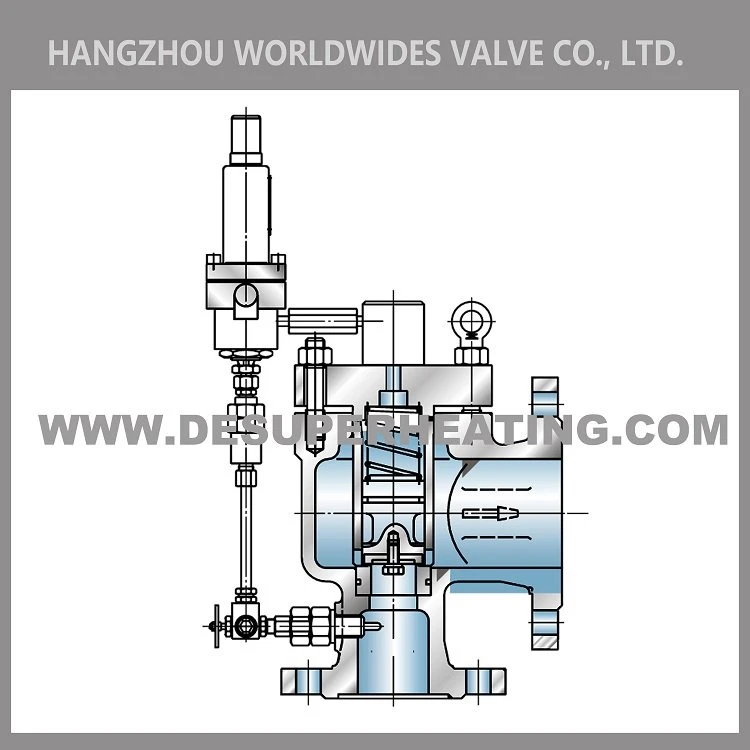
Next, locate the appropriate installation point for the safety valve. It should be installed in a position where it can easily detect and relieve excess pressure. Refer to the manufacturer's instructions for the exact location.

Step 5: Prepare the Pipe
Use a pipe cutter to cut the pipe at the installation point. Make sure the cut is clean and straight. Then, use a file to remove any burrs or rough edges.
Step 6: Apply Teflon Tape
Wrap Teflon tape around the threads of the valve and the pipe. This will create a tight seal and prevent leaks.
Step 7: Install the Valve
Carefully thread the valve onto the pipe and tighten it using a wrench. Make sure it is securely fastened, but don't over-tighten it, as this can damage the valve.
Step 8: Connect the Discharge Pipe
Attach a discharge pipe to the valve. This pipe will carry the released pressure away from the heater and into a safe area. Make sure the discharge pipe is properly supported and does not have any kinks or bends.
Step 9: Test the Valve
Once the installation is complete, turn on the heater and check the pressure gauge. The valve should open and release pressure when the set pressure is reached. If it doesn't, there may be a problem with the installation or the valve itself.
Step 10: Regular Maintenance
After the installation, it's important to perform regular maintenance on the safety valve. This includes checking for leaks, testing the valve periodically, and replacing it if it shows any signs of wear or damage.
Conclusion
Installing a heater safety valve is a relatively simple process, but it's crucial for the safety of your heater and your property. By following these installation guidelines, you can ensure that your safety valve is installed correctly and functioning properly.
If you're in the market for a heater safety valve or have any questions about the installation process, don't hesitate to reach out. We're here to help you find the right solution for your needs.
References
- Manufacturer's instructions for heater safety valves
- Industry standards and regulations for pressure relief valves


