

As an industry control valve supplier, I've encountered numerous inquiries regarding the conversion of electric industry control valves to pneumatic ones. This process is not only crucial for optimizing system performance but also for adapting to specific industrial requirements. In this blog, I'll share a comprehensive guide on how to achieve this conversion effectively.
Understanding the Basics
Before delving into the conversion process, it's essential to understand the fundamental differences between electric and pneumatic control valves. Electric control valves are powered by electricity and typically use motors or solenoids to actuate the valve. They offer precise control and are suitable for applications where accurate positioning is required. On the other hand, pneumatic control valves are powered by compressed air and use actuators to open and close the valve. They are known for their fast response time, high reliability, and ability to handle high-pressure applications.
Assessing the Existing System
The first step in converting an electric control valve to a pneumatic one is to assess the existing system. This involves evaluating the valve's specifications, including its size, pressure rating, flow capacity, and control requirements. You should also consider the operating environment, such as temperature, humidity, and the presence of corrosive substances. Additionally, it's important to determine the available compressed air supply and its quality, as this will directly impact the performance of the pneumatic control valve.
Selecting the Right Pneumatic Control Valve
Once you have assessed the existing system, the next step is to select the right pneumatic control valve. There are several factors to consider when making this decision, including the valve type, actuator type, and control mechanism.
Valve Type
There are various types of pneumatic control valves available, each designed for specific applications. Some common types include globe valves, ball valves, butterfly valves, and diaphragm valves. The choice of valve type will depend on the flow characteristics, pressure drop requirements, and the nature of the fluid being controlled.
Actuator Type
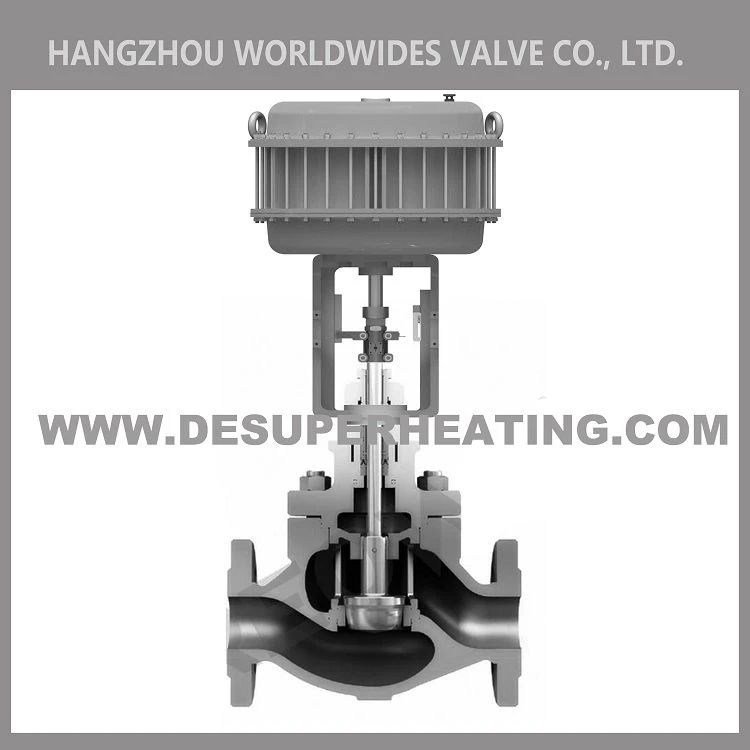
The actuator is the component that converts the pneumatic energy into mechanical motion to open and close the valve. There are two main types of pneumatic actuators: piston actuators and diaphragm actuators. Piston actuators are suitable for high-pressure applications and offer high thrust capabilities, while diaphragm actuators are more commonly used in low-pressure applications and provide a more compact design.
Control Mechanism
The control mechanism of a pneumatic control valve determines how the valve is operated and regulated. There are several types of control mechanisms available, including on/off control, proportional control, and modulating control. On/off control is the simplest type, where the valve is either fully open or fully closed. Proportional control allows the valve to be positioned at a specific opening based on the input signal, while modulating control provides continuous adjustment of the valve position to maintain a desired process variable.
Removing the Electric Control Valve
Before installing the new pneumatic control valve, you need to remove the existing electric control valve from the system. This involves shutting off the power supply to the valve and disconnecting the electrical connections. You should also close the isolation valves on both sides of the electric control valve to prevent any fluid from flowing through the valve during the removal process. Once the valve is isolated, you can remove the mounting bolts and carefully lift the valve out of the pipeline.
Installing the Pneumatic Control Valve
After removing the electric control valve, it's time to install the new pneumatic control valve. The installation process will vary depending on the valve type and the specific requirements of the system. However, the following general steps can be followed:
- Prepare the Pipeline: Ensure that the pipeline is clean and free from any debris or contaminants. You may need to use a pipe cleaner or a wire brush to clean the inside of the pipeline.
- Mount the Valve: Place the pneumatic control valve in the pipeline and align it with the mounting holes. Insert the mounting bolts and tighten them securely using a wrench.
- Connect the Pneumatic Lines: Connect the compressed air supply lines to the actuator of the pneumatic control valve. Make sure to use the appropriate fittings and ensure that the connections are tight to prevent any air leaks.
- Connect the Control Lines: If the pneumatic control valve is equipped with a control mechanism, such as a positioner or a solenoid valve, connect the control lines to the appropriate ports on the valve.
- Test the Valve: Once the valve is installed and all the connections are made, it's important to test the valve to ensure that it is functioning properly. You can do this by applying compressed air to the actuator and observing the movement of the valve. Check for any air leaks or abnormal noises during the test.
Adjusting the Control Settings
After installing the pneumatic control valve, you may need to adjust the control settings to ensure that the valve operates correctly and meets the desired process requirements. This involves setting the appropriate pressure, flow rate, and position of the valve. You can use a pressure gauge, a flow meter, and a position indicator to monitor and adjust the control settings.
Considerations for Safety and Maintenance
When converting an electric control valve to a pneumatic one, it's important to consider safety and maintenance aspects. Here are some key points to keep in mind:
- Safety: Ensure that all safety procedures are followed during the conversion process. This includes wearing appropriate personal protective equipment (PPE), such as gloves and safety glasses, and following the manufacturer's instructions for installation and operation.
- Maintenance: Pneumatic control valves require regular maintenance to ensure their optimal performance and longevity. This includes inspecting the valve for any signs of wear or damage, cleaning the valve components, and lubricating the moving parts. You should also check the compressed air supply for any contaminants or moisture and replace the air filters as needed.
Conclusion
Converting an electric industry control valve to a pneumatic one can be a complex process, but with the right knowledge and expertise, it can be achieved successfully. By following the steps outlined in this blog, you can ensure a smooth and efficient conversion process that will result in improved system performance and reliability.

If you're considering converting your electric control valve to a pneumatic one or have any questions about our industry control valves, please don't hesitate to [contact us for procurement and further discussion]. We're here to help you find the best solutions for your industrial needs.



