

In the realm of industrial valves, resilient gate valves have long been recognized for their reliability and durability. These valves are designed to handle a wide range of applications, from water treatment and distribution to oil and gas pipelines. But a question that often arises is whether a resilient gate valve can be automated. As a supplier of resilient gate valves, I am here to explore this topic in depth and provide you with the insights you need.

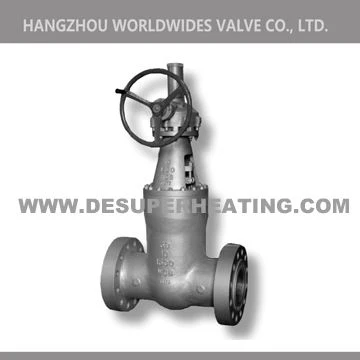
Understanding Resilient Gate Valves
Before delving into the automation aspect, let's first understand what resilient gate valves are. A resilient gate valve is a type of shut - off valve that uses a flexible, rubber - seated gate to seal against the valve body. This design provides a tight seal, minimizing leakage and ensuring efficient operation.
The resilient seating material, usually made of EPDM or NBR, offers excellent resistance to corrosion, abrasion, and chemicals. This allows the valve to be used in various media, including water, wastewater, and some mild chemicals. The gate moves up and down within the valve body to open or close the flow path, which is a simple yet effective mechanism for flow control.
Advantages of Automating Resilient Gate Valves
Automating a resilient gate valve can bring numerous benefits to industrial processes. One of the primary advantages is increased efficiency. In a large - scale industrial operation, manual valve operation can be time - consuming and labor - intensive. Automating the valves allows for remote control, enabling operators to open or close valves from a central control room. This reduces the time needed for on - site valve adjustment and also minimizes the risk of human error.
Another significant advantage is improved safety. In some applications, such as high - pressure or hazardous environments, manual valve operation can pose a danger to workers. Automated valves can be programmed to respond to certain conditions, such as abnormal pressure or flow rates. For example, if the pressure in a pipeline exceeds a set threshold, the automated valve can automatically shut off the flow, preventing potential accidents.
Automation also enhances the accuracy of flow control. Manual valves often rely on the operator's judgment, which can vary. Automated valves can be precisely calibrated to open or close at specific positions, ensuring consistent and accurate flow regulation. This is particularly important in processes where precise flow control is critical, such as in chemical manufacturing or water treatment plants.
Methods of Automating Resilient Gate Valves
There are several ways to automate a resilient gate valve. One common method is using electric actuators. Electric actuators convert electrical energy into mechanical motion to operate the valve. They are relatively easy to install and can be controlled using a variety of signals, such as 4 - 20mA or digital signals. Electric actuators offer precise control over the valve position and can be integrated into a broader automation system. For instance, an Electric Forged Steam Gate Valve often uses an electric actuator for automated operation.
Pneumatic actuators are another popular choice for valve automation. These actuators use compressed air to generate the force needed to open or close the valve. Pneumatic actuators are known for their fast operation and high - force output. They are suitable for applications where quick valve response is required, such as in emergency shut - off systems.
Hydraulic actuators are also used in some high - pressure and high - torque applications. Hydraulic systems use pressurized fluid to operate the valve. They can provide a large amount of force, making them ideal for large - sized resilient gate valves.
Challenges in Automating Resilient Gate Valves
While there are many benefits to automating resilient gate valves, there are also some challenges to consider. One challenge is the cost. Automating a valve requires the purchase and installation of an actuator and associated control systems, which can significantly increase the initial investment. However, it's important to note that the long - term savings in terms of increased efficiency and reduced labor costs can often offset the upfront expense.
Another challenge is compatibility. Not all resilient gate valves are readily adaptable for automation. Some older valve designs may not have the necessary features, such as a mounting interface for the actuator. In such cases, modifications may be required, which can add to the complexity and cost of the project.
Maintenance is also a crucial consideration. Automated valves and their control systems require regular maintenance to ensure reliable operation. This includes checking the actuator, control signals, and any associated sensors. Failure to perform proper maintenance can lead to valve malfunctions, which can disrupt the industrial process.
Examples of Automated Resilient Gate Valve Applications
Automated resilient gate valves are widely used in various industries. In the water treatment industry, they are used to control the flow of water in treatment plants and distribution networks. Automated valves can be programmed to adjust the flow based on factors such as water demand and quality. For example, during peak demand periods, the valves can open wider to ensure an adequate supply of water.
In the oil and gas industry, automated resilient gate valves play a vital role in pipeline systems. They can be used to isolate sections of the pipeline for maintenance or in case of emergencies. For instance, in the event of a leak, the automated valves can quickly shut off the flow to prevent further losses.
In the chemical industry, Rising Stem Flanged Ends Gate Valve and other types of resilient gate valves are automated to precisely control the flow of different chemicals. This ensures the safety and efficiency of chemical manufacturing processes.
Our Role as a Resilient Gate Valve Supplier
As a supplier of resilient gate valves, we understand the importance of providing valves that are suitable for automation. We offer a wide range of valves that can be easily integrated with electric, pneumatic, or hydraulic actuators. Our valves are designed with the necessary mounting interfaces and features to ensure seamless automation.
We also provide technical support to our customers. Our team of experts can assist in selecting the right actuator for a specific valve application, taking into account factors such as valve size, operating pressure, and flow rate. We can also offer installation and maintenance guidance to ensure that the automated valves operate smoothly and reliably.
Consulting and Procurement
If you are considering automating your resilient gate valves or need more information about our products, we are here to help. Whether you are in the water treatment, oil and gas, or chemical industry, we have the expertise and product range to meet your requirements.
We can provide detailed product specifications, technical data, and cost estimates. Our goal is to help you make an informed decision and ensure that you get the most suitable automated resilient gate valve solution for your application.
If you are interested in learning more about our Pressure Seal Steam Gate Valve or other resilient gate valves, please feel free to contact us for a consultation. We look forward to discussing your needs and working with you on your next project.
References
- "Valve Handbook" by W. E. Desmond
- Industrial Valve Standards published by the American Petroleum Institute (API)
- Technical papers on valve automation from the Instrumentation, Systems, and Automation Society (ISA)



