

When it comes to water pipe gate valves, ensuring their quality and reliability is of utmost importance. As a trusted water pipe gate valve supplier, we understand the significance of subjecting our products to a series of rigorous tests before they leave the factory. These tests not only guarantee the performance and durability of the valves but also ensure the safety and efficiency of the entire water supply system. In this blog, we will delve into the key tests that a water pipe gate valve should pass before it can be deemed ready for market.
Pressure Testing
One of the most fundamental tests for a water pipe gate valve is pressure testing. This test is designed to evaluate the valve's ability to withstand the specified pressure without any leakage. During the test, the valve is completely closed, and water or an appropriate test fluid is pumped into the valve body at a pressure higher than the valve's rated pressure. Typically, the test pressure is set at 1.5 times the valve's maximum working pressure for a specified duration, usually between 5 to 10 minutes.
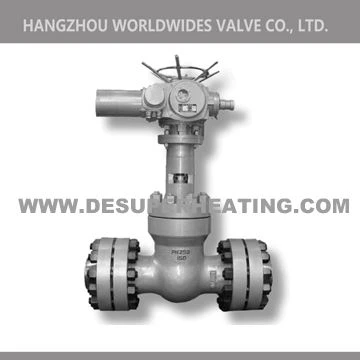
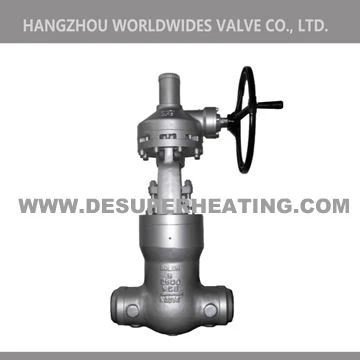
If the valve passes the pressure test, it indicates that the valve body, bonnet, and all the sealing surfaces are capable of maintaining a tight seal under high - pressure conditions. Any signs of leakage, such as water dripping or spraying, will result in the valve being rejected. At our facility, we use state - of - the - art pressure testing equipment to ensure accurate and reliable results. This test gives our customers the confidence that our Stainless Steel Class 300 Gate Valve can handle the demanding pressure requirements in various applications.
Leakage Testing
In addition to pressure testing, leakage testing is another crucial evaluation. This test focuses on the valve's sealing performance in different scenarios, including when the valve is fully open, fully closed, and in intermediate positions. There are two main types of leakage testing: seat leakage testing and body leakage testing.
Seat leakage testing assesses the seal between the valve disc and the valve seat. A small pressure differential is applied across the closed valve, and the amount of leakage is measured. The allowable leakage rate is strictly defined according to industry standards. Body leakage testing, on the other hand, checks for any leakage through the valve body, bonnet joints, or other external connections.
Our team uses advanced leakage detection methods, such as ultrasonic leak detectors and pressure decay testing, to accurately measure the leakage. For instance, our API 600 Flanged Industrial Gate Valve undergoes comprehensive leakage testing to meet the strict API standards, ensuring minimal leakage in critical industrial applications.
Operational Testing
The operational performance of a water pipe gate valve is also a key factor. Operational testing involves checking the ease of opening and closing the valve, as well as the smoothness of its operation throughout the entire stroke. A torque tester is often used to measure the torque required to open and close the valve.
The valve should be able to open and close with a reasonable amount of force, without any jams or excessive resistance. This test is essential because a valve that is difficult to operate can lead to problems during maintenance or emergency shut - offs. We conduct multiple cycles of opening and closing operations to simulate real - world usage, ensuring that our valves, such as the Flange Gate Valve, can perform reliably over an extended period.
Material Inspection
The quality of materials used in the manufacturing of a water pipe gate valve directly impacts its performance and service life. Material inspection includes checking the chemical composition, mechanical properties, and microstructure of the valve components, such as the valve body, disc, and stem.
We obtain materials from reliable suppliers and conduct in - house material testing. For example, we use spectrometers to analyze the chemical composition of metals and hardness testers to measure the hardness of different parts. This ensures that the materials meet the required standards and are suitable for the intended application. In this way, we can guarantee that our valves are resistant to corrosion, erosion, and wear, providing long - term durability.
Flow Capacity Testing
Flow capacity testing is vital to ensure that the valve can handle the required flow rate of water without causing excessive pressure drop. In this test, water is passed through the valve at different flow rates, and the corresponding pressure drop across the valve is measured.
The results are then compared with the valve's specified flow characteristics. A valve with a high flow capacity and low pressure drop is more efficient and can improve the overall performance of the water supply system. Our engineers use specialized flow testing equipment to accurately measure the flow capacity, ensuring that our valves meet or exceed the industry - recognized standards.
Temperature Testing
Water pipe gate valves may be exposed to a wide range of temperatures in different applications. Temperature testing is carried out to assess the valve's performance under extreme temperature conditions. The valve is placed in a temperature - controlled chamber and subjected to high and low temperatures for a certain period.
During the test, the valve's ability to open and close, as well as its sealing performance, is monitored. This test is important because temperature variations can cause changes in the material properties of the valve components, potentially affecting the valve's functionality. We conduct temperature testing on our valves to ensure that they can operate reliably in diverse environments, from cold - climate water systems to high - temperature industrial processes.
Corrosion Resistance Testing
Since water pipes are often in contact with water and other corrosive substances, corrosion resistance is a critical property for gate valves. Corrosion resistance testing involves exposing the valve components to a corrosive environment, such as a salt spray chamber or an acidic solution, for a specified time.
After the exposure, the surface of the valve components is examined for signs of corrosion, such as rust or pitting. We use various protective coatings and corrosion - resistant materials to enhance the valve's corrosion resistance. By passing the corrosion resistance test, our valves can have a longer service life and maintain their performance in harsh environments.
In conclusion, a water pipe gate valve must undergo a comprehensive series of tests before leaving the factory to ensure its quality, performance, and reliability. At our company, we are committed to providing high - quality gate valves that meet the strictest industry standards. Our extensive testing procedures cover every aspect of valve performance, from pressure resistance to corrosion protection.
If you are in the market for water pipe gate valves, whether for residential, commercial, or industrial applications, we invite you to contact us for procurement and negotiation. Our team of experts is ready to assist you in selecting the most suitable valve for your specific needs.
References
- Industrial Valve Standards Handbook
- Water Supply and Drainage System Design Guidelines



