



As a seasoned check valve supplier, I've witnessed firsthand the critical role that sealing performance plays in the functionality and reliability of check valves. A well - sealed check valve prevents backflow, reduces leakage, and ensures the smooth operation of various industrial systems. In this blog, I'll share some effective strategies to improve the sealing performance of a check valve.
1. Material Selection
The choice of materials for the check valve components is fundamental to its sealing performance. For the valve disc and seat, hard and wear - resistant materials are often preferred. For instance, stainless steel is a popular option due to its excellent corrosion resistance and durability. It can withstand harsh chemical environments and high - temperature conditions without significant degradation.
Ceramic materials are also emerging as a great choice for high - performance check valves. They offer superior hardness, low friction coefficients, and excellent resistance to erosion. However, ceramics are brittle, so proper design and installation are crucial to prevent cracking.
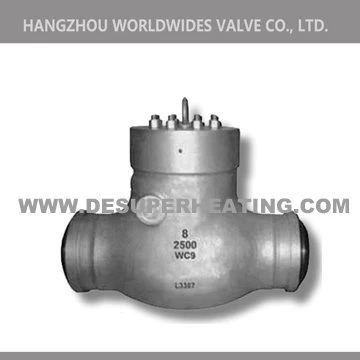
Elastomers are commonly used for the sealing elements in check valves. Nitrile rubber (NBR) is suitable for general - purpose applications with moderate temperature and chemical resistance. Fluoroelastomers (FKM) are ideal for applications involving high - temperature fluids and aggressive chemicals. When selecting an elastomer, consider factors such as the fluid type, temperature range, and pressure conditions.
2. Precision Manufacturing
Precision in manufacturing is key to achieving a good seal. The valve disc and seat must be machined to very tight tolerances. Any deviation in the surface finish or dimensions can lead to leakage. Advanced machining techniques, such as CNC machining, can ensure high - precision manufacturing.
During the manufacturing process, it's important to conduct strict quality control checks. Non - destructive testing methods, like ultrasonic testing and dye penetrant inspection, can be used to detect any internal defects or surface cracks that may affect the sealing performance. For example, a small crack on the valve seat can allow fluid to bypass the seal, leading to reduced efficiency and potential system failures.
3. Proper Installation
Even the best - designed and manufactured check valve can fail to seal properly if not installed correctly. First, ensure that the valve is installed in the correct orientation. Check valves are designed to allow flow in one direction only, and installing them backwards will result in immediate failure.
The pipeline where the check valve is installed should be clean and free of debris. Any particles or contaminants in the pipeline can damage the sealing surfaces of the valve. Before installation, thoroughly clean the pipeline and use appropriate filters if necessary.
Proper alignment of the valve with the pipeline is also crucial. Misalignment can cause uneven stress on the valve disc and seat, leading to premature wear and leakage. Use alignment tools during installation to ensure that the valve is centered and parallel to the pipeline.
4. Regular Maintenance
Regular maintenance is essential for maintaining the sealing performance of a check valve over time. Inspect the valve periodically for signs of wear, corrosion, or damage. Replace any worn - out or damaged components promptly.
Lubrication of moving parts, such as the hinge pin in a Swing Check Valve For Steam, can reduce friction and prevent sticking. However, use the appropriate lubricant that is compatible with the valve materials and the fluid in the system.
In addition, perform pressure and leakage tests at regular intervals. These tests can help detect any potential sealing issues before they lead to major problems. If a leakage is detected, determine the cause and take corrective actions, such as adjusting the valve or replacing the sealing elements.
5. Design Optimization
Advancements in valve design can significantly improve sealing performance. For example, some modern check valves use a spring - assisted design. The spring helps to close the valve more quickly and tightly, reducing the risk of backflow and improving the sealing under low - flow conditions.
The shape of the valve disc and seat can also be optimized. A contoured seat design can provide a better contact area between the disc and the seat, enhancing the sealing effect. Computational Fluid Dynamics (CFD) analysis can be used to simulate the flow behavior inside the valve and optimize the design for maximum sealing efficiency.
6. System Compatibility
The check valve must be compatible with the overall system in which it is installed. Consider factors such as the fluid properties (viscosity, density, chemical composition), pressure, and temperature. For high - pressure systems, a check valve with a stronger sealing mechanism and robust construction is required.
If the system experiences frequent pressure fluctuations, a check valve with a fast - closing feature can prevent water hammer and improve the sealing performance. In systems with abrasive fluids, use a check valve with wear - resistant materials and a design that minimizes the impact of the abrasive particles on the sealing surfaces.
7. Training and Education
Proper training of the personnel involved in the installation, operation, and maintenance of check valves is crucial. They should be aware of the importance of sealing performance and the correct procedures for handling the valves.
Provide training on topics such as valve selection, installation techniques, maintenance schedules, and troubleshooting. Well - trained personnel are more likely to identify and address potential sealing issues early, ensuring the long - term reliability of the check valves.
Conclusion
Improving the sealing performance of a check valve is a multi - faceted process that involves material selection, precision manufacturing, proper installation, regular maintenance, design optimization, system compatibility, and training. By implementing these strategies, you can enhance the efficiency, reliability, and lifespan of your check valves.
If you're in the market for high - quality check valves with excellent sealing performance, we're here to help. Our team of experts can assist you in selecting the right valve for your specific application and provide support throughout the installation and maintenance process. Contact us today to start a discussion about your check valve needs and explore how we can meet your requirements.
References
- ASME B16.34 - Valves - Flanged, Threaded, and Welded End.
- API 6D - Pipeline Valves - Specification for Pipeline Valves.
- ISO 5208 - Industrial valves - Pressure testing of valves.


