

When dealing with industrial fluid control, the choice of valve is crucial, especially when handling corrosive fluids. As a trusted globe valve supplier, we often receive inquiries about whether a globe valve can be used for corrosive fluids. In this blog, we will explore the feasibility, advantages, and considerations of using globe valves in corrosive fluid applications.
Understanding Globe Valves
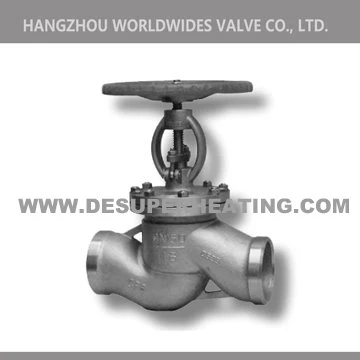
Globe valves are one of the most common types of valves used in industrial settings. Their design features a movable disk-type element and a stationary ring seat in a generally spherical body. The closing mechanism involves a disk that moves perpendicular to the seat, providing a tight shut - off. This design allows for precise flow control, making globe valves suitable for a wide range of applications, including those with corrosive fluids.
Can Globe Valves Be Used for Corrosive Fluids?
The short answer is yes, globe valves can be used for corrosive fluids. However, several factors need to be carefully considered to ensure the valve's long - term performance and reliability.
Material Selection
The choice of materials is the most critical factor when using globe valves for corrosive fluids. Different corrosive substances require different resistant materials.
-
Stainless Steel: Stainless steel is a popular choice for many corrosive applications. It offers good corrosion resistance to a variety of acids, alkalis, and salts. For example, in the chemical industry, where mild corrosive chemicals are handled, stainless steel globe valves can provide reliable service. Our Carbon Steel Globe Valve also has a certain degree of corrosion resistance, and its carbon steel body can be further protected with coatings or linings to enhance its performance in less severe corrosive environments.
-
Alloy Materials: For more aggressive corrosive fluids such as concentrated sulfuric acid or hydrofluoric acid, special alloy materials are required. Alloys like Hastelloy, Monel, and Inconel have excellent corrosion resistance properties. These alloys can withstand high - temperature and high - concentration corrosive substances, making them ideal for extreme chemical processing applications.
-
Lined Valves: Another option is to use lined globe valves. These valves have a lining material on the internal surface of the valve body, disk, and seat. Common lining materials include PTFE (Polytetrafluoroethylene), which has excellent chemical resistance to a wide range of corrosive substances. Lined globe valves can be a cost - effective solution for handling corrosive fluids, especially when the corrosive medium is not extremely aggressive.
Design Considerations
In addition to material selection, the design of the globe valve also plays an important role in its performance with corrosive fluids.
- Flow Path: The flow path in a globe valve should be designed to minimize turbulence and dead zones. Turbulence can increase the corrosion rate by causing abrasion and erosion on the valve surfaces. A smooth and streamlined flow path can reduce these effects and extend the valve's service life.
- Sealing Design: A good sealing design is essential to prevent leakage of corrosive fluids. The valve seat and disk should have a tight seal to ensure that no corrosive fluid escapes. In some cases, double - sealing designs or special sealing materials may be required to meet the strict sealing requirements in corrosive applications.
Advantages of Using Globe Valves for Corrosive Fluids
There are several advantages to using globe valves in corrosive fluid applications:
Precise Flow Control
Globe valves are known for their excellent flow control capabilities. The linear motion of the disk allows for accurate adjustment of the flow rate, which is crucial in many chemical processes where precise control of the corrosive fluid is required. For example, in a pharmaceutical manufacturing process, the correct dosage of a corrosive chemical needs to be added at the right time, and a globe valve can provide the necessary precision.
Tight Shut - off
The closing mechanism of a globe valve provides a tight shut - off, which is important for preventing the leakage of corrosive fluids. This is particularly critical in applications where safety and environmental protection are of high concern. A reliable shut - off can prevent the release of corrosive substances into the environment, protecting workers and the surrounding area.
Wide Range of Sizes and Pressures
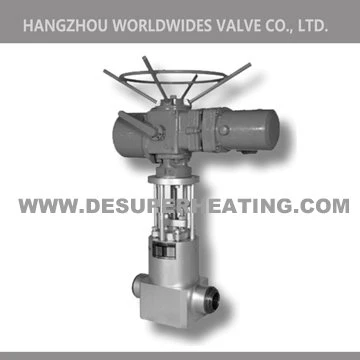
Globe valves are available in a wide range of sizes and pressure ratings. This allows them to be used in various applications, from small - scale laboratory processes to large - scale industrial plants. Our High Pressure Steam Motorized Globe Valve is an example of a high - performance globe valve that can handle high - pressure and high - temperature corrosive steam applications.
Considerations and Limitations
While globe valves can be used for corrosive fluids, there are also some considerations and limitations:
Cost
The cost of using globe valves for corrosive fluids can be relatively high, especially when special materials or lined valves are required. The cost of alloy materials and the manufacturing process of lined valves can significantly increase the overall cost of the valve. However, it is important to consider the long - term benefits, such as reduced maintenance and replacement costs, when evaluating the cost - effectiveness.
Maintenance
Corrosive fluids can cause wear and tear on the valve components, which requires regular maintenance. The frequency and cost of maintenance can vary depending on the type of corrosive fluid, the operating conditions, and the valve materials. It is important to establish a proper maintenance schedule to ensure the valve's performance and reliability.
Flow Resistance
Globe valves generally have higher flow resistance compared to some other types of valves, such as gate valves. The higher flow resistance can result in increased energy consumption, especially in applications where large volumes of fluid need to be transported. However, in applications where precise flow control is more important than low flow resistance, the advantages of a globe valve often outweigh this limitation.
Application Examples
- Chemical Industry: In chemical manufacturing plants, corrosive chemicals such as acids and alkalis are commonly used. Globe valves made of stainless steel or alloy materials are widely used to control the flow of these chemicals in pipelines, reactors, and storage tanks.
- Wastewater Treatment: Wastewater often contains corrosive substances such as acids, heavy metals, and chemicals. Globe valves can be used in wastewater treatment facilities to control the flow of wastewater and chemicals during the treatment process.
- Food and Beverage Industry: In the food and beverage industry, some cleaning and sanitizing agents are corrosive. Globe valves are used to control the flow of these agents during the cleaning and disinfection process of production equipment.
Contact for Procurement and Negotiation
If you are in need of globe valves for corrosive fluid applications, we are here to help. Our team of experts can provide you with professional advice on material selection, valve design, and application solutions. We offer a wide range of globe valves to meet your specific requirements. Contact us to start the procurement and negotiation process and find the perfect valve solution for your project.
References
- Valve Handbook, 4th Edition, by Robert W. McKetta
- Chemical Engineering Handbook, 8th Edition, by Perry and Green



