



Hey there! As a supplier of 2 Port Control Valves, I've been getting a lot of questions lately about the reliability of these valves. So, I thought I'd sit down and write a little something to share my insights on this topic.
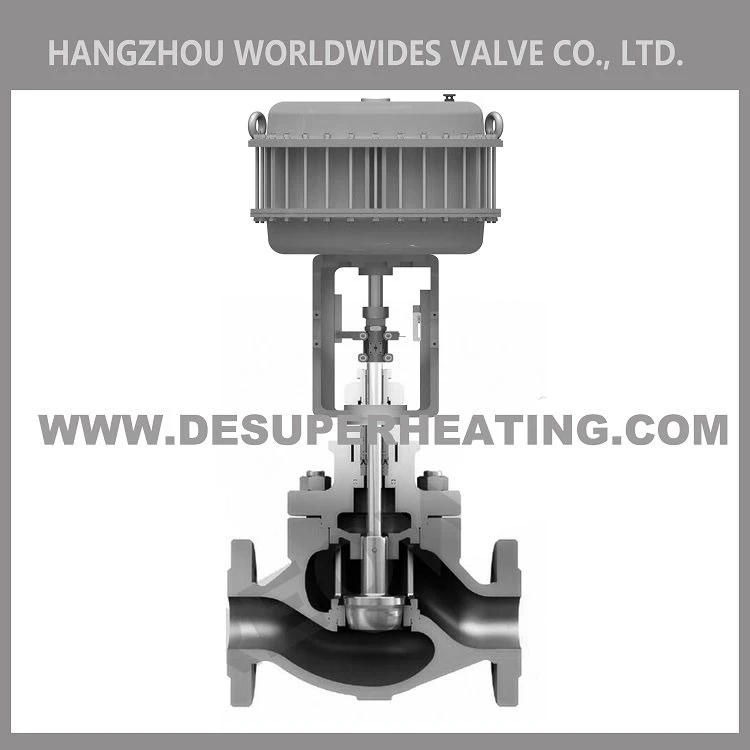
First off, let's talk about what a 2 Port Control Valve actually is. In simple terms, it's a valve with two ports - an inlet and an outlet. These valves are used to control the flow of fluid (like water, gas, or steam) in a system. They can be adjusted to regulate the amount of fluid passing through, which is super important in many industrial and commercial applications.
Now, when we're talking about reliability, there are a few key factors that come into play.
Material Quality
The materials used to make the valve are crucial. A high - quality 2 Port Control Valve is typically made from durable materials like stainless steel, brass, or high - grade plastics. Stainless steel is great because it's resistant to corrosion, which means it can last a long time even in harsh environments. Brass is also a popular choice as it's strong and has good heat conductivity. If the valve is made from cheap or low - quality materials, it's more likely to break down or malfunction over time. For example, a valve made from a weak plastic might crack under pressure, causing leaks and disrupting the flow of fluid in the system.
Design and Engineering
The design of the valve is another important aspect. A well - designed 2 Port Control Valve will have a smooth internal structure that allows for easy flow of fluid. It should also have precise control mechanisms. For instance, the valve's actuator (the part that controls the opening and closing of the valve) needs to be accurate. If the actuator is poorly designed, it might not open or close the valve properly, leading to inconsistent flow rates. Good engineering also means that the valve is easy to install and maintain. A valve that's difficult to install can lead to improper installation, which can cause problems down the line.

Manufacturing Process
The way the valve is manufactured can greatly affect its reliability. A reputable manufacturer will have strict quality control measures in place. They'll test each valve thoroughly before it leaves the factory to make sure it meets the required standards. This includes testing for pressure resistance, flow rate accuracy, and leak - proofing. On the other hand, a valve that's mass - produced without proper quality checks might have hidden defects that could cause issues later.
Operational Conditions
The reliability of a 2 Port Control Valve also depends on how it's used. If it's operating under conditions that are outside its design specifications, it's more likely to fail. For example, if a valve is designed for low - pressure applications but is used in a high - pressure system, it could get damaged quickly. Temperature is another factor. Some valves are designed to work within a certain temperature range. If the fluid passing through the valve is too hot or too cold, it can affect the valve's performance and lifespan.
Maintenance and Servicing
Regular maintenance is essential for ensuring the reliability of a 2 Port Control Valve. This includes things like cleaning the valve to remove any debris that might have accumulated inside, checking the seals for wear and tear, and lubricating moving parts. If maintenance is neglected, small issues can turn into big problems. For example, a dirty valve might not open or close properly, and worn - out seals can cause leaks.
So, how does our 2 Port Control Valve stack up in terms of reliability? Well, we take pride in using only the highest - quality materials in our manufacturing process. Our valves are made from top - grade stainless steel and brass, which are known for their durability and corrosion resistance. Our design team spends a lot of time perfecting the valve's design to ensure smooth flow and precise control. We also have a rigorous quality control system in place. Every valve goes through a series of tests before it's shipped out to our customers.
In addition to the above, we offer a range of related products that can complement our 2 Port Control Valves. For example, if you're looking for a Pneumatic Pressure Reducing Valve, we've got you covered. These valves are designed to reduce the pressure of pneumatic systems, ensuring safe and efficient operation. We also have Large Capacity Steam Pressure Reducing Valve for applications that require high - volume steam flow control. And if you need a Pneumatic Air Control Valve, we can provide that too. These valves are great for controlling the flow of air in pneumatic systems.
When it comes to maintenance, we provide detailed instructions on how to keep your valve in top condition. We also offer after - sales support, so if you have any questions or run into any issues, our team of experts is just a call away.
In conclusion, the reliability of a 2 Port Control Valve is determined by a combination of factors including material quality, design, manufacturing process, operational conditions, and maintenance. At our company, we do everything we can to ensure that our valves are as reliable as possible. Whether you're in the industrial, commercial, or residential sector, our 2 Port Control Valves can meet your needs.
If you're interested in purchasing our 2 Port Control Valves or any of our other products, we'd love to have a chat with you. Contact us to start a discussion about your specific requirements, and let's work together to find the best solution for your system.
References
- "Valve Handbook: Principles and Applications" by Peter M. Walsh
- "Industrial Valves: Selection, Specification, and Sizing" by John R. Blevins


