

Hey there! As a supplier of steam desuperheaters, I've seen firsthand the unique challenges that come with designing these crucial pieces of equipment for corrosive environments. In this blog, I'll walk you through the key design considerations that we keep in mind when crafting steam desuperheaters to withstand the harsh effects of corrosion.
Understanding the Corrosive Environment
Before we dive into the design aspects, it's essential to understand the nature of the corrosive environment where the steam desuperheater will be installed. Corrosion can be caused by a variety of factors, including the presence of chemicals, high humidity, and extreme temperatures. For instance, in industrial settings where steam is used for power generation or manufacturing processes, the steam may contain impurities such as sulfur compounds, chlorides, or acids that can accelerate corrosion.
In geothermal applications, the steam may be in contact with geothermal fluids that are rich in minerals and other corrosive substances. This is where our Geothermal Desuperheater comes into play, designed specifically to handle the unique challenges of geothermal environments.
Material Selection
One of the most critical design considerations for a steam desuperheater in a corrosive environment is the choice of materials. The materials used in the construction of the desuperheater must be resistant to corrosion to ensure its long-term performance and reliability.
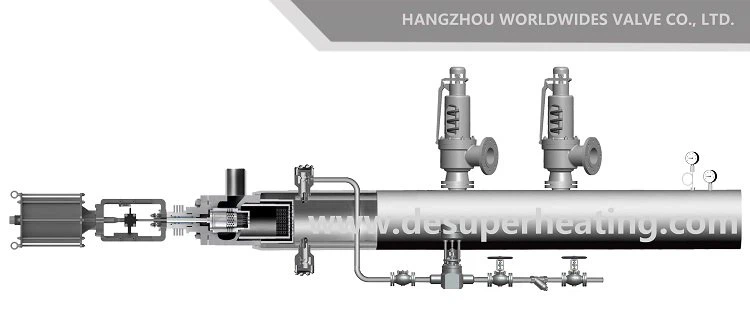

Stainless Steel
Stainless steel is a popular choice for steam desuperheaters due to its excellent corrosion resistance. It contains chromium, which forms a passive oxide layer on the surface of the metal, protecting it from further corrosion. Different grades of stainless steel are available, each with varying levels of corrosion resistance depending on the specific application. For example, in environments with high chloride concentrations, a higher grade of stainless steel, such as 316L, may be required.
Titanium
Titanium is another material that offers exceptional corrosion resistance, especially in highly corrosive environments. It is lightweight, strong, and has a high resistance to pitting and crevice corrosion. However, titanium is more expensive than stainless steel, so its use is typically limited to applications where the corrosive conditions are extremely severe.
Coatings
In some cases, applying a protective coating to the surface of the desuperheater can enhance its corrosion resistance. Coatings can act as a barrier between the metal and the corrosive environment, preventing direct contact and reducing the risk of corrosion. There are various types of coatings available, including epoxy, ceramic, and polymer coatings, each with its own advantages and limitations.
Design Features to Minimize Corrosion
In addition to selecting the right materials, the design of the steam desuperheater can also play a crucial role in minimizing corrosion. Here are some design features that we incorporate to reduce the risk of corrosion:
Smooth Surfaces
Smooth surfaces are less likely to accumulate dirt, debris, and corrosive substances, making them easier to clean and maintain. We design our steam desuperheaters with smooth internal and external surfaces to prevent the formation of corrosion-prone areas.
Avoiding Crevices and Dead Spaces
Crevices and dead spaces can trap moisture and corrosive substances, creating an ideal environment for corrosion to occur. Our desuperheaters are designed to eliminate or minimize these areas, ensuring that there are no stagnant pockets of fluid where corrosion can take hold.
Proper Drainage
Proper drainage is essential to prevent the accumulation of water and other corrosive fluids inside the desuperheater. We incorporate drainage features into the design of our desuperheaters to ensure that any condensate or other fluids are quickly and efficiently removed from the system.
Maintenance and Monitoring
Even with the best materials and design features, regular maintenance and monitoring are still necessary to ensure the long-term performance of a steam desuperheater in a corrosive environment.
Inspection
Regular inspections should be carried out to detect any signs of corrosion or damage early on. This can include visual inspections, non-destructive testing, and chemical analysis of the steam and condensate. By identifying and addressing any issues promptly, we can prevent further corrosion and extend the lifespan of the desuperheater.
Cleaning
Periodic cleaning of the desuperheater is also important to remove any dirt, debris, or corrosive substances that may have accumulated on the surfaces. This can be done using appropriate cleaning agents and techniques, depending on the type of material and the nature of the contaminants.
Monitoring Systems
Installing monitoring systems can provide real-time data on the performance and condition of the desuperheater. These systems can measure parameters such as temperature, pressure, flow rate, and corrosion rate, allowing us to detect any changes or anomalies and take appropriate action before they become major problems.
Performance and Efficiency
While corrosion resistance is a top priority, the performance and efficiency of the steam desuperheater are also important considerations. Our desuperheaters are designed to provide precise control of the steam temperature, ensuring optimal performance in various applications.
Desuperheating Performance
The ability of the desuperheater to effectively reduce the temperature of the superheated steam is crucial. We use advanced design techniques and high-quality components to ensure that our desuperheaters can achieve accurate and consistent desuperheating performance, even in corrosive environments.
Energy Efficiency
In addition to desuperheating performance, energy efficiency is also a key factor. Our steam desuperheaters are designed to minimize energy consumption by optimizing the flow of steam and water through the system. This not only reduces operating costs but also helps to minimize the environmental impact.
Conclusion
Designing a steam desuperheater for a corrosive environment requires careful consideration of various factors, including material selection, design features, maintenance, and performance. At our company, we have the expertise and experience to design and manufacture steam desuperheaters that are specifically tailored to the unique requirements of corrosive environments.
If you're in the market for a steam desuperheater and need a solution that can withstand the challenges of a corrosive environment, don't hesitate to contact us. Our team of experts is ready to work with you to understand your needs and provide the best possible solution. Whether you need a Desuperheating For Superheated Steam system or a Steam Desuperheater for your specific application, we've got you covered.
Let's work together to ensure the reliable and efficient operation of your steam system in even the most challenging environments.
References
- "Corrosion Resistance of Metals and Alloys" by John D. Talbot
- "Steam Desuperheater Design and Application" by ASME Boiler and Pressure Vessel Code
- "Materials Selection for Corrosive Environments" by NACE International



