

What is the noise level when operating a gate valve?
As a seasoned gate valve supplier, I've encountered numerous inquiries regarding the noise levels associated with gate valve operation. Understanding these noise levels is crucial for various industrial applications, as excessive noise can not only be a nuisance but also indicate potential issues with the valve or the overall system.
Factors Affecting the Noise Level of Gate Valves
-
Fluid Velocity
The velocity of the fluid passing through the gate valve plays a significant role in determining the noise level. When the fluid velocity is high, it can create turbulence and cavitation within the valve. Turbulence occurs when the fluid flow becomes chaotic, and cavitation happens when the pressure drops below the vapor pressure of the fluid, causing the formation and collapse of vapor bubbles. Both turbulence and cavitation generate noise. For instance, in a high - pressure water pipeline, if the gate valve is opened too quickly, the sudden increase in fluid velocity can lead to a significant rise in noise levels. -
Valve Design and Construction
The design of the gate valve itself can influence the noise it produces. A well - designed valve with smooth internal surfaces and proper sealing mechanisms can minimize noise. For example, valves with streamlined flow paths reduce the likelihood of turbulence. Additionally, the material of the valve components matters. Soft - seated gate valves, such as the Resilient Seated Gate Valve For Industry, often produce less noise compared to metal - seated valves because the resilient seat can absorb some of the vibrations and noise generated during operation. -
System Pressure
Higher system pressures generally result in louder noise levels during gate valve operation. When the pressure difference across the valve is large, the fluid forces acting on the valve components are stronger. This can cause the valve parts to vibrate more vigorously, leading to increased noise. In industrial applications where high - pressure steam or gas is involved, special attention must be paid to the noise generated by the gate valves. -
Opening and Closing Speed
The speed at which the gate valve is opened or closed can also affect the noise level. Rapid opening or closing can cause sudden changes in fluid flow, resulting in shock waves and increased noise. A slower, more controlled operation can help reduce the noise generated during these transitions.
Measuring the Noise Level of Gate Valves
To accurately measure the noise level of a gate valve, specialized equipment such as sound level meters is used. These meters are calibrated to measure the sound pressure level (SPL) in decibels (dB). When measuring the noise of a gate valve, it is important to take measurements at multiple points around the valve to account for any variations in sound distribution. The measurements should also be taken under normal operating conditions to get a realistic assessment of the noise level.
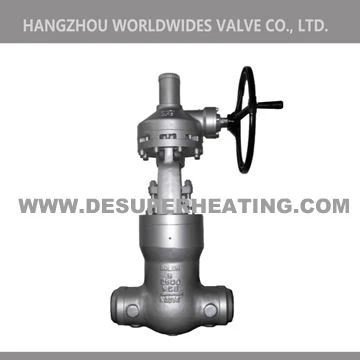

Typically, the noise level of a gate valve during normal operation can range from 50 dB to 90 dB, depending on the factors mentioned above. A noise level of 50 dB is relatively quiet, similar to the sound of a normal conversation. On the other hand, a noise level of 90 dB is comparable to the noise of a lawnmower and can be potentially harmful if exposed to it for an extended period.
Reducing the Noise Level of Gate Valves
-
Proper Sizing and Selection
Choosing the right size and type of gate valve for a specific application is essential. An undersized valve can cause high fluid velocities and increased noise, while an oversized valve may not operate efficiently. By carefully considering the flow rate, pressure, and fluid properties of the system, a suitable gate valve can be selected to minimize noise. For example, the API Carbon Steel Gate Valve is designed to meet specific industry standards and can be a good choice for many applications where noise reduction is a concern. -
Flow Control
Implementing flow control measures can help reduce the noise level. This can include using flow restrictors or control valves upstream of the gate valve to regulate the fluid velocity. By maintaining a stable and appropriate flow rate, the chances of turbulence and cavitation are reduced. -
Vibration Isolation
Isolating the gate valve from the surrounding structure can also help reduce noise. Using vibration - isolating mounts or flexible connectors can prevent the transmission of vibrations from the valve to the pipes and other equipment. This can significantly reduce the overall noise level in the system. -
Maintenance
Regular maintenance of the gate valve is crucial for noise reduction. Over time, wear and tear can cause the valve components to become loose or damaged, leading to increased noise. By inspecting and lubricating the valve regularly, any potential issues can be identified and addressed promptly.
Applications and Noise Considerations
In different industrial applications, the acceptable noise levels of gate valves vary. In a residential or commercial building, where noise can be a major concern for occupants, the noise level of gate valves used in plumbing systems should be kept as low as possible. In industrial settings such as power plants or refineries, while higher noise levels may be tolerated, efforts are still made to reduce noise for the safety and comfort of workers.
For example, in a power plant, the API 600 Flanged Industrial Gate Valve is often used in high - pressure steam systems. These valves need to be carefully selected and installed to ensure that the noise generated during operation does not exceed the allowable limits.
Conclusion
In conclusion, the noise level when operating a gate valve is influenced by multiple factors, including fluid velocity, valve design, system pressure, and opening/closing speed. Measuring and understanding these noise levels is essential for ensuring the proper functioning of the valve and the overall system. By taking appropriate measures such as proper sizing, flow control, vibration isolation, and regular maintenance, the noise level of gate valves can be effectively reduced.
If you are in the market for high - quality gate valves with low noise levels, we are here to assist you. Our team of experts can help you select the most suitable valve for your specific application. Whether you need a Resilient Seated Gate Valve For Industry, an API Carbon Steel Gate Valve, or an API 600 Flanged Industrial Gate Valve, we have a wide range of products to meet your needs. Contact us today to start a procurement discussion and find the perfect gate valve solution for your project.
References
- "Handbook of Valves", Valve Manufacturers Association
- "Fluid Mechanics for Industrial Applications", McGraw - Hill Education



