

Water hammer is a common and potentially damaging phenomenon in check valve systems. As a leading check valve supplier, we understand the importance of preventing water hammer to ensure the efficient and safe operation of your systems. In this blog post, we will explore the causes of water hammer in a check valve system and provide practical solutions to prevent it.
Understanding Water Hammer
Water hammer, also known as hydraulic shock, occurs when there is a sudden change in the flow velocity of a fluid in a pipeline. This sudden change can be caused by the rapid closing or opening of a valve, the start or stop of a pump, or other disturbances in the system. When the flow velocity changes abruptly, a pressure wave is generated, which can travel through the pipeline at high speed. This pressure wave can cause significant damage to the pipeline, valves, pumps, and other components of the system.
The effects of water hammer can range from minor noise and vibration to severe damage to the system. In some cases, water hammer can even cause pipeline rupture, leading to leaks, spills, and potential safety hazards. Therefore, it is crucial to take appropriate measures to prevent water hammer in a check valve system.
Causes of Water Hammer in a Check Valve System
There are several factors that can contribute to the occurrence of water hammer in a check valve system. Some of the common causes include:
Rapid Valve Closing
One of the most common causes of water hammer in a check valve system is the rapid closing of the check valve. When the check valve closes too quickly, the flow of fluid in the pipeline is suddenly stopped, causing a pressure wave to be generated. This pressure wave can travel back through the pipeline, causing damage to the system.
High Flow Velocity
High flow velocity in the pipeline can also increase the risk of water hammer. When the flow velocity is too high, the kinetic energy of the fluid is also high. When the check valve closes suddenly, this kinetic energy is converted into pressure energy, resulting in a pressure wave.
Improper Valve Sizing
Using a check valve that is too small for the application can also lead to water hammer. A small check valve may close too quickly, causing a sudden change in the flow velocity and generating a pressure wave.
Air in the Pipeline
The presence of air in the pipeline can also contribute to water hammer. Air can act as a cushion, reducing the shock of the pressure wave. However, if there is too much air in the pipeline, it can cause the check valve to close erratically, leading to water hammer.
Preventing Water Hammer in a Check Valve System
To prevent water hammer in a check valve system, it is important to address the root causes of the problem. Here are some practical solutions that we recommend:
Select the Right Check Valve
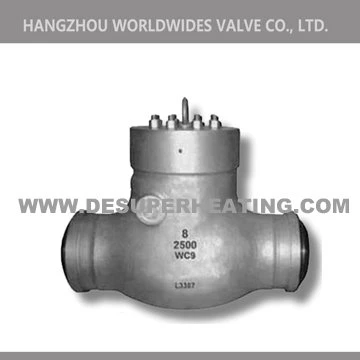
Choosing the right check valve for your application is crucial to preventing water hammer. There are several types of check valves available, each with its own advantages and disadvantages. For example, swing check valves are commonly used in steam applications due to their simple design and reliable operation. You can learn more about swing check valves for steam by visiting our website: Swing Check Valve For Steam.
When selecting a check valve, consider factors such as the flow rate, pressure, temperature, and fluid type. Make sure the check valve is properly sized for the application to ensure smooth and efficient operation.
Use a Slow-Closing Check Valve
A slow-closing check valve can help to prevent water hammer by reducing the sudden change in flow velocity when the valve closes. Slow-closing check valves are designed to close gradually, allowing the fluid to decelerate slowly and reducing the pressure wave generated.
Install a Surge Tank
A surge tank is a device that can be installed in the pipeline to absorb the pressure wave generated by water hammer. The surge tank acts as a buffer, storing the excess fluid and releasing it gradually when the pressure in the pipeline decreases. This helps to reduce the impact of the pressure wave on the system.
Reduce the Flow Velocity
Reducing the flow velocity in the pipeline can also help to prevent water hammer. This can be achieved by increasing the pipe diameter, reducing the pump speed, or using flow control valves. By reducing the flow velocity, the kinetic energy of the fluid is also reduced, which in turn reduces the pressure wave generated when the check valve closes.
Eliminate Air in the Pipeline
Removing air from the pipeline is important to prevent water hammer. Air can be removed from the pipeline by using air vents or by purging the system with water. Make sure to follow the manufacturer's instructions when purging the system to ensure that all air is removed.
Regular Maintenance and Inspection
Regular maintenance and inspection of the check valve system are essential to prevent water hammer. Check the check valve for any signs of wear or damage, and replace it if necessary. Inspect the pipeline for any leaks or blockages, and repair them promptly. By keeping the system in good condition, you can reduce the risk of water hammer and ensure the efficient and safe operation of your system.
Conclusion
Water hammer is a serious problem that can cause significant damage to a check valve system. As a check valve supplier, we are committed to providing our customers with high-quality products and solutions to prevent water hammer. By understanding the causes of water hammer and implementing the appropriate preventive measures, you can ensure the efficient and safe operation of your system.
If you have any questions or need further assistance with preventing water hammer in your check valve system, please do not hesitate to contact us. Our team of experts is always ready to help you find the best solution for your needs. We look forward to the opportunity to work with you and discuss your procurement requirements.
References
- Crane Co., "Flow of Fluids Through Valves, Fittings, and Pipe," Technical Paper No. 410.
- Hydraulic Institute, "Engineering Data Book," 4th Edition.
- ASME B31.1, "Power Piping."



