



A diaphragm check valve is a crucial component in many fluid control systems, playing a vital role in ensuring the proper flow direction of liquids or gases. As a reputable check valve supplier, I am well - versed in the functionality and applications of diaphragm check valves. In this blog, I will delve into the inner workings of these valves and explain why they are a popular choice in various industries.
Basic Structure of a Diaphragm Check Valve
A diaphragm check valve consists of several key parts. The main body is usually made of materials like metal (such as stainless steel, brass) or high - grade plastics, depending on the application requirements. Inside the body, there is a flexible diaphragm. This diaphragm is the heart of the valve and is typically made from elastomers like rubber or other flexible polymers.
The inlet and outlet ports are designed to connect to the piping system. When fluid enters the valve through the inlet port, it interacts with the diaphragm, triggering a series of actions that control the flow.
Working Principle of a Diaphragm Check Valve
The operation of a diaphragm check valve is based on a simple yet effective principle: it allows fluid to flow in one direction while preventing backflow.
Forward Flow
When the fluid flows in the forward direction (from the inlet to the outlet), the pressure of the incoming fluid exerts a force on the diaphragm. This force causes the diaphragm to deform and move away from its sealing position. As the diaphragm moves, it creates an opening through which the fluid can pass freely from the inlet to the outlet.
The flexibility of the diaphragm is a key factor here. It can adapt to different flow rates and pressures. For low - flow applications, a relatively small force from the fluid is sufficient to deform the diaphragm and allow the fluid to pass. In high - flow scenarios, the diaphragm can withstand the higher pressures and still provide a clear passage for the fluid.
Backflow Prevention
When the fluid tries to flow in the reverse direction (from the outlet to the inlet), the pressure from the back - flowing fluid pushes the diaphragm back to its sealing position. The diaphragm seals tightly against the valve seat, creating a barrier that prevents the backflow of the fluid. This sealing mechanism is highly effective, as the elastomeric nature of the diaphragm ensures a tight fit and minimal leakage.
The design of the valve seat also contributes to the sealing performance. A well - designed valve seat provides a smooth and even surface for the diaphragm to seal against, enhancing the overall reliability of the backflow prevention.
Advantages of Diaphragm Check Valves
One of the main advantages of diaphragm check valves is their excellent sealing performance. The flexible diaphragm can conform to irregularities on the valve seat, providing a leak - tight seal even under low pressures. This makes them suitable for applications where preventing even the slightest backflow is critical, such as in the pharmaceutical and food industries.
Another advantage is their compact size. Compared to other types of check valves, diaphragm check valves can be designed to be relatively small, which is beneficial in applications where space is limited. They are also lightweight, which can reduce the overall weight of the piping system and make installation easier.
Diaphragm check valves are also resistant to corrosion. Since the diaphragm and the valve body can be made from corrosion - resistant materials, they can be used in harsh environments with corrosive fluids. This extends their service life and reduces maintenance costs.
Applications of Diaphragm Check Valves
Diaphragm check valves are widely used in various industries. In the chemical industry, they are used to prevent the backflow of corrosive chemicals, ensuring the safety and integrity of the chemical processing systems. In the water treatment industry, these valves are used to control the flow of water and prevent the contamination of clean water sources by back - flowing wastewater.
In the medical field, diaphragm check valves are used in medical devices such as respirators and infusion pumps. Their reliable sealing performance and small size make them ideal for these applications, where precision and safety are of utmost importance.
Comparison with Other Types of Check Valves
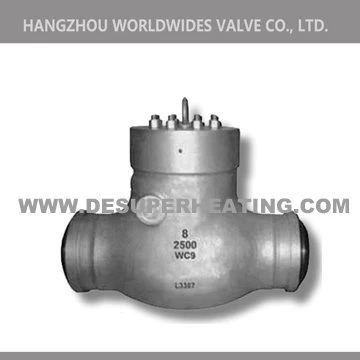
When compared to swing check valves, such as the Swing Check Valve For Steam, diaphragm check valves have some distinct differences. Swing check valves use a hinged disc that swings open to allow forward flow and swings shut to prevent backflow. While swing check valves are suitable for high - flow applications, they may have a larger footprint and may not provide as tight a seal as diaphragm check valves, especially at low pressures.
Ball check valves, on the other hand, use a ball that moves within the valve body to control the flow. Ball check valves are simple in design but may be more prone to clogging in applications where there are solid particles in the fluid. Diaphragm check valves, with their smooth internal surfaces, are less likely to be affected by such issues.
Factors Affecting the Performance of Diaphragm Check Valves
The performance of a diaphragm check valve can be affected by several factors. The material of the diaphragm is crucial. Different elastomers have different chemical resistance, temperature tolerance, and flexibility. For example, a diaphragm made of nitrile rubber may be suitable for applications involving oil - based fluids, while a fluorocarbon - based elastomer may be required for high - temperature and highly corrosive environments.
The design of the valve body also plays a role. A well - designed valve body can ensure proper fluid flow and minimize turbulence, which can affect the performance of the diaphragm. The size and shape of the inlet and outlet ports can also impact the flow characteristics of the valve.
Maintenance and Troubleshooting of Diaphragm Check Valves
Regular maintenance of diaphragm check valves is essential to ensure their long - term performance. This includes inspecting the diaphragm for signs of wear and tear, such as cracks or punctures. If the diaphragm is damaged, it should be replaced immediately to prevent leakage and backflow.
The valve body should also be checked for any signs of corrosion or damage. Cleaning the valve body and the valve seat periodically can help maintain the proper sealing performance of the valve.
If there are issues with the valve, such as leakage or poor flow, it is important to troubleshoot the problem systematically. Check the pressure differentials across the valve, the condition of the diaphragm, and the integrity of the valve seat. In some cases, simple adjustments or replacements can resolve the issues.
Conclusion
Diaphragm check valves are a reliable and efficient solution for controlling fluid flow and preventing backflow in a wide range of applications. Their unique design, based on a flexible diaphragm, provides excellent sealing performance, compact size, and corrosion resistance. As a check valve supplier, I understand the importance of these valves in various industries and am committed to providing high - quality diaphragm check valves that meet the diverse needs of our customers.
If you are in need of diaphragm check valves or other types of check valves, I encourage you to contact us for a detailed discussion about your requirements. Our team of experts can provide you with professional advice and customized solutions to ensure that you get the right valve for your application.
References
- "Valve Handbook", by J. E. O. May.
- "Fluid Mechanics and Thermodynamics of Turbomachinery", by S. L. Dixon and C. A. Hall.
- Industry - specific technical papers on check valve applications and performance.


