

As a supplier of Pressure Reducing Systems, I often get asked whether a Pressure Reducing System can be used in a reverse osmosis (RO) system. In this blog post, I'll delve into this question, exploring the technical aspects, benefits, and considerations of integrating a Pressure Reducing System into an RO setup.
Understanding Reverse Osmosis Systems
Reverse osmosis is a water purification process that uses a semi - permeable membrane to remove ions, molecules, and larger particles from water. In an RO system, water is forced through the membrane at high pressure. This pressure is crucial as it overcomes the osmotic pressure, allowing pure water to pass through while leaving behind contaminants.
Typically, RO systems require a certain range of pressure to operate efficiently. If the pressure is too low, the system may not produce an adequate amount of purified water. On the other hand, if the pressure is too high, it can damage the semi - permeable membrane, reducing its lifespan and efficiency.
The Role of a Pressure Reducing System
A Pressure Reducing System is designed to control and maintain a specific pressure level in a fluid system. It takes in a high - pressure fluid and reduces it to a lower, more manageable pressure. There are different types of Pressure Reducing Systems available, such as Temperature And Pressure Reduction Device System, Pressure Regulator Steam, and Steam Pressure Regulating Valve.
In the context of an RO system, a Pressure Reducing System can play several important roles:
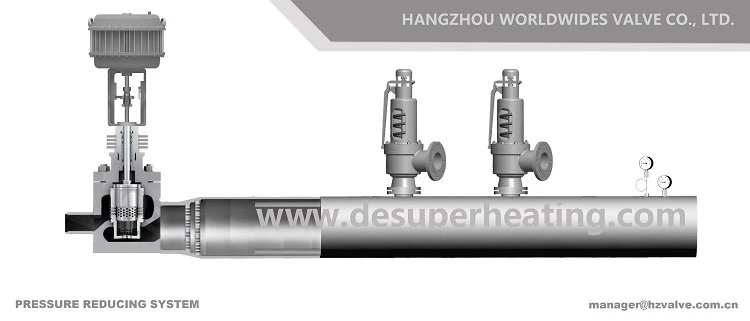
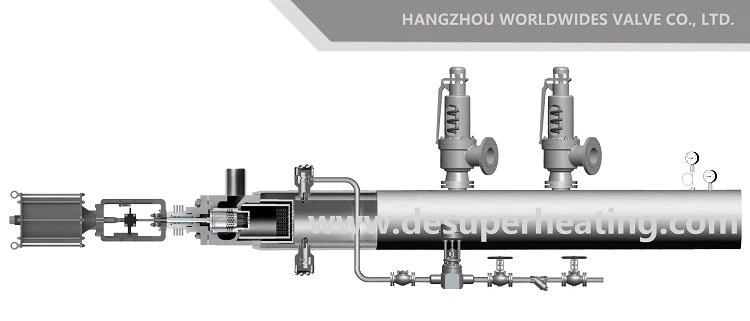
1. Protecting the Membrane
As mentioned earlier, excessive pressure can damage the RO membrane. A Pressure Reducing System ensures that the pressure applied to the membrane stays within the manufacturer's recommended range. By preventing over - pressurization, it extends the life of the membrane, reducing the frequency of membrane replacements and associated costs.
2. Ensuring Consistent Performance
An RO system operates most efficiently when the pressure is stable. A Pressure Reducing System can maintain a constant pressure, regardless of fluctuations in the incoming water pressure. This consistency leads to a more predictable and reliable production of purified water. Whether it's a small - scale domestic RO system or a large - scale industrial one, stable pressure is essential for optimal performance.
3. Energy Efficiency
In some cases, the water source for an RO system may have a higher pressure than necessary. Without a Pressure Reducing System, the excess pressure would be wasted, leading to higher energy consumption. By reducing the pressure to the required level, the system can operate more energy - efficiently, saving on electricity costs in the long run.
Considerations When Using a Pressure Reducing System in an RO System
While the benefits of using a Pressure Reducing System in an RO system are clear, there are also some considerations to keep in mind:
1. Compatibility
It's crucial to ensure that the Pressure Reducing System is compatible with the RO system. This includes factors such as the flow rate, pressure range, and the type of fluid (usually water in an RO system). Different RO systems have different requirements, and the Pressure Reducing System must be selected accordingly.
2. Installation and Maintenance
Proper installation of the Pressure Reducing System is essential for its effective operation. It should be installed by a qualified technician who understands the specific requirements of the RO system. Additionally, regular maintenance is necessary to ensure that the system continues to function correctly. This may involve checking for leaks, calibrating the pressure settings, and replacing any worn - out components.
3. Cost - Benefit Analysis
Implementing a Pressure Reducing System incurs an initial cost, including the purchase of the system and installation expenses. However, it's important to conduct a cost - benefit analysis. Consider the long - term savings in terms of membrane replacement, energy consumption, and improved system performance. In most cases, the benefits outweigh the initial investment.
Real - World Applications
There are numerous real - world applications where a Pressure Reducing System has been successfully integrated into an RO system. For example, in a large - scale desalination plant, the incoming seawater often has a very high pressure. By using a Pressure Reducing System, the pressure can be adjusted to a level suitable for the RO membranes. This not only protects the membranes but also improves the overall efficiency of the desalination process.
In a domestic setting, a Pressure Reducing System can be used in a home RO water purification system. Many municipal water supplies have fluctuating pressures, which can be detrimental to the RO membrane. A Pressure Reducing System can ensure a stable pressure, providing the homeowner with a consistent supply of clean, purified water.
Conclusion
In conclusion, a Pressure Reducing System can indeed be used in a reverse osmosis system, and it offers significant advantages. It protects the RO membrane, ensures consistent performance, and improves energy efficiency. However, careful consideration must be given to compatibility, installation, and maintenance.
If you're considering integrating a Pressure Reducing System into your RO system, or if you have any questions about our Pressure Reducing Systems, I encourage you to reach out. Our team of experts is ready to assist you in finding the right solution for your specific needs. Whether it's a small - scale or large - scale application, we have the experience and products to ensure your RO system operates at its best.
References
- Cheryan, M. (1998). Ultrafiltration and Microfiltration Handbook. Technomic Publishing Company.
- Mulder, M. (1996). Basic Principles of Membrane Technology. Kluwer Academic Publishers.
- Porter, M. C. (1997). Handbook of Industrial Membrane Technology. Noyes Publications.



