

Vibration in industrial control valves is a critical issue that can significantly impact the performance, safety, and longevity of a control system. As an industry control valve supplier, I've witnessed firsthand the challenges that vibration can pose to various industrial processes. In this blog, I'll delve into what the vibration problem of an industry control valve is, its causes, effects, and potential solutions.
Understanding the Vibration Problem
Vibration in industrial control valves refers to the unwanted oscillatory motion of the valve components. This motion can occur in different frequencies and amplitudes, and it can be caused by a variety of factors within the industrial system. The problem is not only a nuisance but can also lead to severe consequences if left unaddressed.
Causes of Vibration in Control Valves
1. Fluid Flow Dynamics
One of the primary causes of valve vibration is the interaction between the flowing fluid and the valve components. When the fluid passes through the valve, it can create pressure fluctuations, turbulence, and cavitation. For example, if the fluid velocity is too high, it can cause the valve plug to vibrate as it tries to maintain the desired flow rate. Cavitation, which occurs when the pressure of the fluid drops below its vapor pressure, can also lead to intense vibrations as the vapor bubbles collapse.

2. Improper Installation
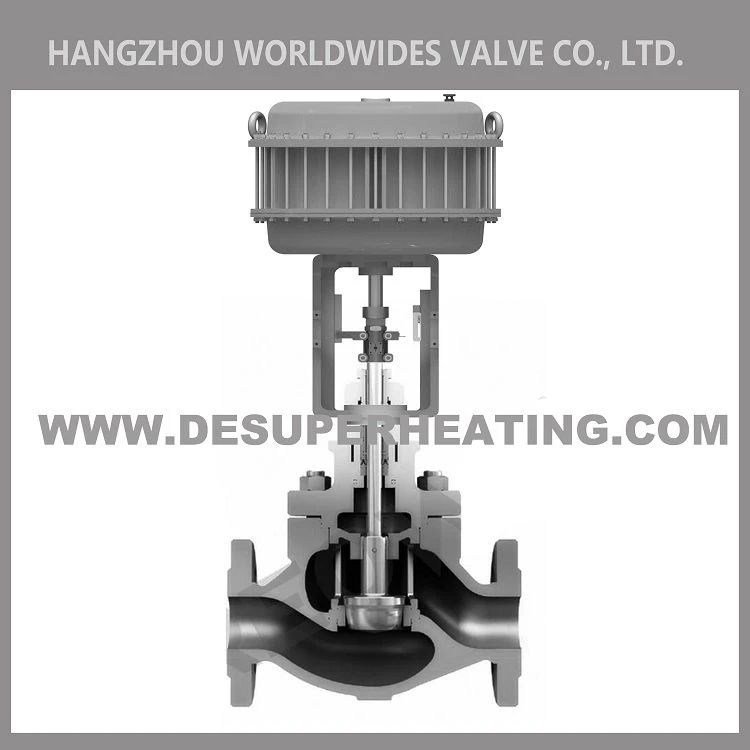
Incorrect installation of the control valve can also contribute to vibration problems. If the valve is not properly aligned with the pipeline, it can cause uneven forces on the valve body and internals. Poorly supported pipes can also transmit vibrations to the valve, exacerbating the problem. Additionally, incorrect torque on the valve bolts can lead to loose connections, which can increase the likelihood of vibration.
3. Resonance
Resonance is a phenomenon that occurs when the natural frequency of the valve or its components matches the frequency of the exciting force, such as the fluid flow or external vibrations. When resonance occurs, the amplitude of the vibration can increase significantly, leading to accelerated wear and potential damage to the valve.
4. External Forces
External factors such as nearby machinery, pumps, or compressors can generate vibrations that are transmitted to the control valve. These vibrations can disrupt the normal operation of the valve and cause premature failure.
Effects of Vibration on Control Valves
1. Wear and Tear
Excessive vibration can cause accelerated wear on the valve components, such as the valve plug, seat, and stem. This wear can lead to leaks, reduced flow control accuracy, and ultimately, valve failure. The constant movement can also cause fatigue in the metal parts, leading to cracks and fractures over time.
2. Noise Pollution
Vibration in control valves can generate significant noise, which can be a nuisance in the workplace and may even pose a health risk to employees. High levels of noise can also indicate a serious problem with the valve, such as cavitation or resonance.
3. Reduced Performance
Vibration can affect the performance of the control valve by causing fluctuations in the flow rate and pressure. This can lead to unstable process conditions, reduced product quality, and increased energy consumption.
4. Safety Risks
In extreme cases, vibration-induced valve failure can pose a safety risk to the industrial facility. Leaks or sudden changes in flow rate can lead to hazardous situations, such as chemical spills or explosions.
Solutions to the Vibration Problem
1. Proper Valve Selection
Choosing the right control valve for the specific application is crucial in preventing vibration problems. Consider factors such as the fluid properties, flow rate, pressure, and temperature when selecting a valve. Valves with features such as anti-cavitation trims or low-noise designs can help reduce vibration. For example, our Air Pump Control Valve is designed to handle the unique requirements of air pump systems, minimizing the risk of vibration.
2. Correct Installation
Ensure that the control valve is installed correctly according to the manufacturer's guidelines. This includes proper alignment, support, and torque on the bolts. Use vibration isolation materials, such as rubber gaskets or spring mounts, to reduce the transmission of vibrations from the pipeline to the valve.
3. Maintenance and Inspection
Regular maintenance and inspection of the control valve are essential to detect and address vibration problems early. Check for signs of wear, leaks, and loose connections. Perform vibration analysis to identify the source and frequency of the vibration. If necessary, make adjustments to the valve settings or replace worn components.
4. Tuning and Optimization
Tuning the control system can help reduce vibration by adjusting the valve opening and closing times to match the process requirements. Optimization of the piping system, such as reducing the length of the pipes or adding dampers, can also help reduce the amplitude of the vibrations.
5. Resonance Avoidance
To avoid resonance, ensure that the natural frequency of the valve and its components is well away from the frequency of the exciting forces. This can be achieved by modifying the valve design or adding damping devices. Our Pneumatic Air Control Valve and Pneumatic Pressure Reducing Valve are engineered to have optimal natural frequencies, reducing the risk of resonance.
Conclusion
The vibration problem of an industry control valve is a complex issue that requires careful consideration and attention. As an industry control valve supplier, we understand the importance of providing high-quality valves and solutions to address these challenges. By understanding the causes and effects of vibration, and implementing the appropriate solutions, you can ensure the reliable and efficient operation of your control valves.
If you're facing vibration problems with your control valves or are looking for a reliable control valve supplier, we're here to help. Contact us to discuss your specific requirements and explore our range of industry control valves.
References
- ASME PTC 25.3 - Performance Test Code on Control Valves
- Fisher Control Valve Handbook
- Crane Technical Paper No. 410 - Flow of Fluids Through Valves, Fittings, and Pipe



