

In the realm of industrial engineering, the question of whether a motorised control valve can be used in high - pressure systems is of significant importance. As a seasoned supplier of motorised control valves, I've encountered this query numerous times from clients across various industries. In this blog, I'll delve into the technical aspects, advantages, and limitations of using motorised control valves in high - pressure environments.
Understanding High - Pressure Systems
High - pressure systems are defined by operating pressures that far exceed normal atmospheric levels. These systems are commonly found in industries such as oil and gas, power generation, and chemical processing. For instance, in an oil refinery, high - pressure pipelines are used to transport crude oil and refined products over long distances. In power plants, high - pressure steam is used to drive turbines and generate electricity. The pressures in these systems can range from several hundred to several thousand pounds per square inch (psi).
How Motorised Control Valves Work
Motorised control valves are automated devices used to regulate the flow, pressure, temperature, or level of a fluid in a system. They consist of a valve body, an actuator, and a control mechanism. The valve body contains the opening through which the fluid passes, and the actuator is responsible for moving the valve's internal components (such as a plug or a ball) to control the flow. The control mechanism can be programmed to respond to various input signals, such as changes in pressure or flow rate.
Suitability of Motorised Control Valves in High - Pressure Systems
One of the primary advantages of using motorised control valves in high - pressure systems is their precision. These valves can be accurately controlled to maintain a specific pressure or flow rate, which is crucial in many high - pressure applications. For example, in a chemical processing plant, precise control of the pressure in a reaction vessel is necessary to ensure the safety and efficiency of the chemical reactions taking place.
Another benefit is their reliability. Motorised control valves are designed to withstand harsh operating conditions, including high pressures and temperatures. They are typically made from high - strength materials such as stainless steel or alloy steel, which can resist corrosion and erosion. This makes them suitable for use in high - pressure systems where the fluid may be corrosive or abrasive.
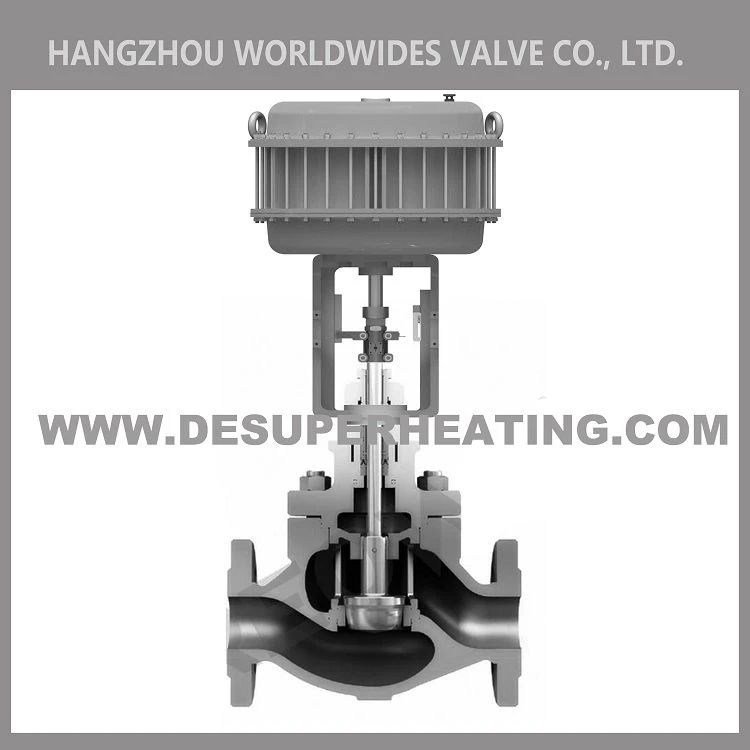

However, there are also some limitations to consider. One of the main challenges is the high torque requirement. In high - pressure systems, the force exerted on the valve's internal components can be substantial, requiring a powerful actuator to operate the valve. This may result in higher energy consumption and increased costs. Additionally, the sealing of motorised control valves can be a concern in high - pressure applications. A poor seal can lead to leaks, which not only waste valuable resources but also pose safety risks.
Types of Motorised Control Valves for High - Pressure Systems
There are several types of motorised control valves that are suitable for high - pressure systems. Globe valves are a popular choice due to their excellent throttling capabilities and tight shut - off. They are designed with a linear motion, which allows for precise control of the flow. Ball valves are another option, known for their quick - acting operation and low pressure drop. They are ideal for applications where rapid on - off control is required.
For more specialized high - pressure applications, you might consider High Pressure Control Valve. These valves are specifically engineered to handle extreme pressures and are often used in critical processes such as high - pressure injection systems in the oil and gas industry.
Considerations for Installation and Maintenance
Proper installation and maintenance are crucial when using motorised control valves in high - pressure systems. During installation, it is essential to ensure that the valve is correctly aligned and securely mounted. Any misalignment can cause excessive stress on the valve's components, leading to premature failure.
Regular maintenance is also necessary to keep the valve in optimal condition. This includes inspecting the valve for wear and tear, checking the seals for leaks, and lubricating the moving parts. It is recommended to follow the manufacturer's maintenance schedule and guidelines to ensure the long - term reliability of the valve.
Comparison with Other Valve Types
In high - pressure systems, motorised control valves are not the only option. Pneumatic and hydraulic valves are also commonly used. Pneumatic valves, such as Pneumatic Pressure Reducing Valve, are powered by compressed air and are known for their fast response times. However, they may not be as precise as motorised control valves and may require additional equipment for pressure regulation.
Hydraulic valves, on the other hand, use hydraulic fluid to operate and can provide high - force actuation. They are often used in heavy - duty applications where large amounts of force are required. However, hydraulic systems can be complex and expensive to maintain.
Safety Considerations
Safety is of utmost importance in high - pressure systems. Motorised control valves should be equipped with safety features such as over - pressure protection and emergency shut - off capabilities. These features can help prevent accidents and protect personnel and equipment.
In addition, proper training should be provided to the operators of high - pressure systems. They should be familiar with the operation and maintenance of the motorised control valves and be able to respond effectively in case of an emergency.
Real - World Applications
Motorised control valves are widely used in high - pressure systems across various industries. In the power generation industry, they are used to control the flow of steam in boilers and turbines. In the oil and gas industry, they are used in wellhead control systems, pipeline transportation, and refineries. In the chemical industry, they are used to regulate the pressure and flow of chemicals in reactors and storage tanks.
For example, in a steam power plant, Steam Pressure Reducing Valve can be used to reduce the high - pressure steam generated in the boiler to a suitable pressure for use in the turbine. This helps to improve the efficiency of the power generation process and protect the turbine from damage.
Conclusion
In conclusion, motorised control valves can be effectively used in high - pressure systems, provided that the appropriate valve type is selected and proper installation and maintenance procedures are followed. Their precision, reliability, and flexibility make them a valuable asset in many high - pressure applications. However, it is important to consider the limitations, such as high torque requirements and sealing challenges, and to take appropriate safety measures.
If you are in the market for motorised control valves for your high - pressure system, I encourage you to reach out to us for a detailed discussion. Our team of experts can help you select the right valve for your specific application and provide you with comprehensive support throughout the installation and maintenance process. Let's work together to ensure the efficient and safe operation of your high - pressure system.
References
- Process Control Instrumentation Technology by Curtis D. Johnson
- Valve Handbook: Selection, Installation, and Troubleshooting of Industrial Valves by Klaus Drain, Klaus J. Drain



