

Rangeability in a control valve is a topic that's super crucial, especially when you're in the control valve supply business like me. It's not just some technical jargon; it has real - world implications for all sorts of industries. So, let's dig into what rangeability means and why it's so significant.
First off, what exactly is rangeability? In simple terms, rangeability is the ratio of the maximum to the minimum flow rate that a control valve can handle while still maintaining a certain level of control accuracy. For example, if a valve has a rangeability of 50:1, it means it can accurately control the flow from its maximum capacity down to 1/50th of that capacity.
One of the main reasons rangeability is so important is flexibility. In industrial processes, the demand for fluid flow can vary widely. Take a chemical plant, for instance. During the start - up phase, the process might require a very low flow rate to gradually introduce reactants. As the reaction progresses, the flow rate needs to increase significantly. A control valve with a high rangeability can handle these fluctuations smoothly. If you have a valve with a low rangeability, you might need to switch between different valves or use additional equipment to manage the flow at different rates. This not only adds to the cost but also increases the complexity of the system.
Let's talk about energy efficiency. In many industrial applications, pumps and compressors are used to move fluids through the system. If the control valve can't accurately control the flow at low rates, the pump might be running at a higher capacity than necessary. This leads to wasted energy. A valve with good rangeability allows for precise control at all flow rates. It can throttle the flow effectively, reducing the load on the pump and saving energy. This is a win - win situation as it cuts down on operational costs and is also better for the environment.
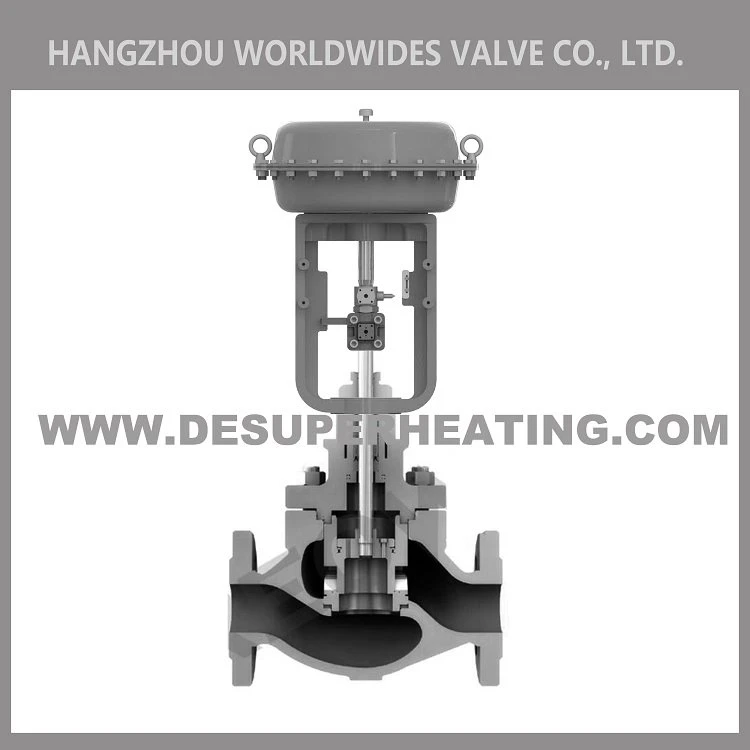

Another aspect where rangeability shines is in maintaining process stability. In a manufacturing process, even small variations in flow rate can have a big impact on the quality of the final product. For example, in a food and beverage production line, the precise amount of ingredients added at each stage is critical. A control valve with a high rangeability can ensure that the flow rate remains consistent, regardless of whether it's a large or small quantity. This helps in producing a high - quality, uniform product every time.
Now, let's consider the type of control valves available in the market. There are different types, such as Pressure Control Valve, Motorised Control Valve, and Industry Control Valve. Each type has its own rangeability characteristics. Pressure control valves are designed to regulate the pressure in a system, and a good rangeability here means it can maintain the desired pressure over a wide range of flow conditions. Motorised control valves offer automated control, and high rangeability allows for more precise and flexible automation. Industry control valves, which are used in various industrial settings, need to be able to adapt to different process requirements, and rangeability is a key factor in their performance.
When it comes to choosing the right control valve for a specific application, rangeability should be one of the top considerations. You need to look at the expected flow rate variations in the process. If the process has a wide range of flow demands, a valve with a high rangeability is a must. You also need to consider the accuracy requirements. Some processes might tolerate a bit more variation in flow, while others need extremely precise control. In such cases, a valve with excellent rangeability and high - precision control features is essential.
In addition to the technical benefits, rangeability also has an impact on maintenance and reliability. A valve that can handle a wide range of flow rates without losing its control accuracy is less likely to experience wear and tear. When a valve is constantly struggling to control the flow at the extremes of its capacity, it can lead to premature failure. High - rangeability valves are more robust and can operate for longer periods without major maintenance issues. This reduces downtime and maintenance costs in the long run.
As a control valve supplier, I've seen firsthand how the right valve with good rangeability can transform a process. I've worked with clients in different industries, from oil and gas to pharmaceuticals, and in each case, the importance of rangeability has been evident. Whether it's improving product quality, saving energy, or reducing maintenance costs, a high - rangeability control valve is an investment that pays off.
If you're in the market for a control valve, don't overlook the significance of rangeability. It's not just about getting a valve that can open and close; it's about getting a valve that can adapt to the ever - changing demands of your process. Whether you're looking for a Pressure Control Valve, Motorised Control Valve, or Industry Control Valve, make sure to consider the rangeability factor.
If you're interested in learning more about how our control valves can meet your specific rangeability needs, feel free to reach out. We're here to help you find the perfect valve for your application and ensure that your process runs smoothly and efficiently.
References
- Flow Control Handbook: A comprehensive guide to understanding the principles of flow control and the role of control valves.
- Industrial Valve Standards and Best Practices: A collection of industry - wide standards and guidelines for selecting and using control valves.
- Case Studies in Process Optimization: Real - world examples of how control valve rangeability has been used to improve industrial processes.



