

What is the pressure setting of a safety valve? Well, let me break it down for you. I'm a supplier of safety valves, and I've dealt with all sorts of questions about these crucial components.
First off, a safety valve is like a guardian angel for your systems. It's designed to protect equipment, pipelines, and vessels from over - pressure situations. When the pressure inside a system exceeds a certain limit, the safety valve kicks in and releases the excess pressure to prevent any catastrophic failures.
So, what exactly is the pressure setting? The pressure setting of a safety valve is the specific pressure at which the valve starts to open and relieve the excess pressure. This setting is determined by a bunch of factors, and it's super important to get it right.
One of the main factors is the maximum allowable working pressure (MAWP) of the system. The MAWP is the highest pressure that the equipment or vessel can safely handle under normal operating conditions. The pressure setting of the safety valve should be set slightly below the MAWP. For example, if the MAWP of a vessel is 100 psi, the safety valve might be set to open at 90 psi. This gives a buffer zone to ensure that the system doesn't reach its maximum pressure limit.
Another factor is the type of fluid or gas in the system. Different fluids and gases have different properties, and these properties can affect the pressure at which the safety valve needs to open. For instance, if you're dealing with a highly volatile gas like propane, the pressure setting might need to be more conservative compared to a less volatile fluid like water.
The operating conditions of the system also play a big role. If the system experiences frequent pressure fluctuations, the pressure setting needs to be adjusted accordingly. A system that has sudden spikes in pressure might require a safety valve with a faster opening response and a well - calibrated pressure setting.

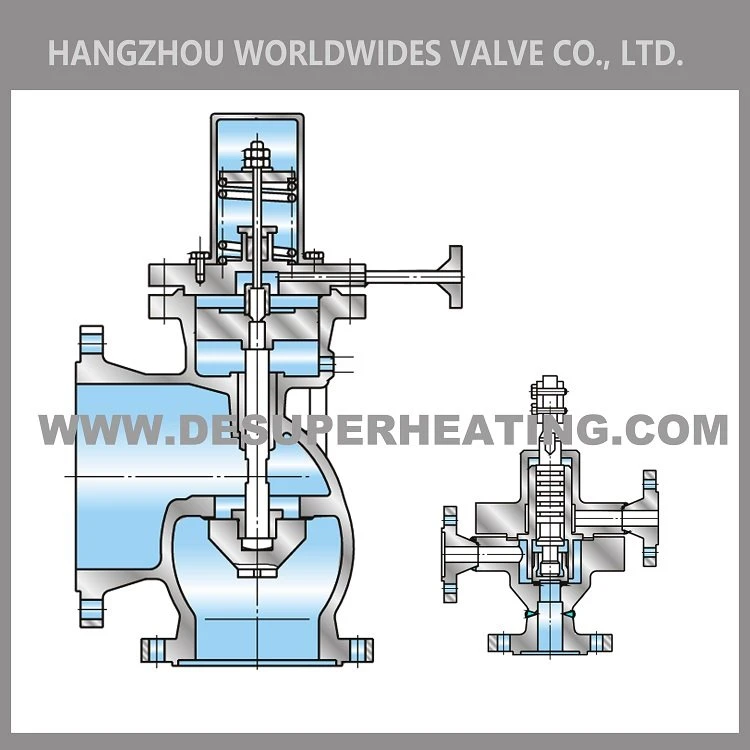
Now, let's talk about some specific types of safety valves and their pressure settings.
Co2 Pressure Relief Valve
A Co2 Pressure Relief Valve is used in systems that handle carbon dioxide. CO2 can be stored in high - pressure containers, and if the pressure inside these containers gets too high, it can be extremely dangerous. The pressure setting of a CO2 pressure relief valve is typically set based on the storage pressure of the CO2. For example, in a standard CO2 storage cylinder, the pressure might be around 850 psi at room temperature. The safety valve would be set to open at a pressure slightly below this to prevent over - pressurization.
Hot Water Heater Safety Valve
A Hot Water Heater Safety Valve is an essential component in any water heating system. As water heats up, it expands, which can cause an increase in pressure inside the heater. If the pressure gets too high, it can lead to a rupture of the heater tank. The pressure setting of a hot water heater safety valve is usually around 150 psi. This is because most residential hot water heaters are designed to operate at pressures below this level.
Heater Safety Valve
A Heater Safety Valve is used in various types of heaters, not just water heaters. These valves are set to open when the pressure in the heater exceeds a safe limit. The pressure setting depends on the type of heater, its size, and the fuel it uses. For example, a small gas - fired heater might have a lower pressure setting compared to a large industrial heater.
When it comes to setting the pressure of a safety valve, it's not a one - size - fits - all situation. Each system is unique, and the pressure setting needs to be carefully calculated and adjusted. This is where our expertise as a safety valve supplier comes in. We have a team of experts who can analyze your system, take into account all the relevant factors, and recommend the right pressure setting for your safety valve.
We also offer a wide range of safety valves with different pressure ratings. Whether you need a valve for a small residential application or a large industrial system, we've got you covered. Our valves are made from high - quality materials to ensure reliability and durability.
If you're in the market for a safety valve or if you need to have your existing valves re - evaluated and adjusted, don't hesitate to reach out. We're here to help you keep your systems safe and running smoothly. Just drop us a line, and we'll work with you to find the perfect solution for your pressure relief needs.
In conclusion, understanding the pressure setting of a safety valve is crucial for the safety and efficiency of your systems. By getting the pressure setting right, you can prevent costly damages and ensure the well - being of your equipment and personnel. So, if you have any questions or need assistance, give us a shout. We're ready to assist you in making the right decisions for your safety valve requirements.
References
- ASME Boiler and Pressure Vessel Code
- API Standard 520 - Sizing, Selection, and Installation of Pressure - Relieving Devices in Refineries
- ISO 4126 - Safety devices for protection against excessive pressure



