

Hey there! I'm a supplier of globe valves, and today I want to chat about the environmental impact of using these handy devices. Globe valves are widely used in various industries for controlling the flow of fluids, but like any industrial equipment, they come with their own set of environmental considerations.
First off, let's talk about how globe valves are made. These valves are typically crafted from a range of materials such as stainless steel, carbon steel, and sometimes even more exotic alloys. The production process of these materials can have a significant environmental footprint. For example, the manufacturing of steel involves high - energy processes in blast furnaces, which consume a large amount of fossil fuels. This leads to the emission of greenhouse gases, like carbon dioxide, into the atmosphere. Carbon dioxide is a major contributor to global warming and climate change. A study by the International Energy Agency (IEA) revealed that the steel industry accounts for about 7% - 9% of all direct fossil fuel - related CO2 emissions globally.
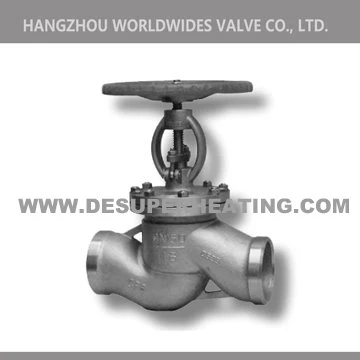
However, when it comes to our specific valves, we've been trying to make some changes. For instance, we source a large portion of our Carbon Steel Globe Valve materials from suppliers who are committed to sustainable practices. These suppliers use recycled steel in their production, which significantly reduces the energy required for manufacturing and cuts down on emissions. Recycling steel uses around 75% less energy than producing it from raw materials, according to the American Iron and Steel Institute.
Now, let's look at how globe valves perform during their operational phase. One of the key environmental advantages of a well - designed globe valve is its ability to precisely control the flow of fluids. This is crucial in industries like water treatment plants, where accurate flow control can prevent over - use of water. In a water treatment facility, a globe valve can regulate the amount of water flowing through different treatment stages, ensuring that only the necessary quantity of water is processed. This not only conserves water resources but also reduces the energy required to pump and treat the water.
On the flip side, if a globe valve is old or poorly maintained, it can lead to leaks. Even a small drip from a valve can turn into a significant waste of water over time. In industrial settings, where large volumes of liquids are involved, these leaks can result in massive inefficiencies and environmental harm. For example, in the oil and gas industry, a leaking globe valve can cause oil spills, which contaminate soil and water, and harm wildlife.
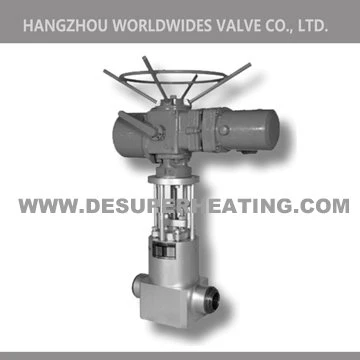
But don't worry! Our company offers high - quality valves, such as the High Pressure Steam Motorized Globe Valve, that are designed to minimize the risk of leaks. These valves are rigorously tested for quality and durability before leaving our factory. Additionally, we provide maintenance services and guidelines to our customers to help them keep their valves in top - notch condition.
Another aspect to consider is the energy consumption of motorized globe valves. Motorized valves are great for automated systems, but they do consume electricity. The amount of energy they use depends on factors like the valve's size, the frequency of operation, and the power of the motor. In an industrial plant with many motorized valves, the cumulative energy consumption can be substantial. To address this issue, we've been working on developing more energy - efficient motorized valves. Our new models use advanced motor technology that reduces power consumption without sacrificing performance.
When it comes to the end - of - life of a globe valve, proper disposal is essential. Many parts of a globe valve, such as the metal body and internal components, can be recycled. Recycling not only reduces the amount of waste going to landfills but also conserves natural resources. We encourage our customers to return their used valves to us, and we ensure that they are recycled in an environmentally friendly way.
In some cases, upgrading to a newer globe valve can have a positive environmental impact. Newer valves are often more efficient in terms of flow control and energy consumption. For example, if an old valve in a chemical plant is replaced with a modern, high - performance globe valve, it can lead to better control of chemical processes. This can reduce the amount of chemicals required, minimize waste, and lower the risk of chemical spills.
Globe valves also play a role in the renewable energy sector. In a solar thermal power plant, for instance, globe valves are used to control the flow of heat - transfer fluids. By accurately regulating the fluid flow, these valves help to optimize the efficiency of the power plant. This means that more electricity can be generated from the same amount of solar energy, reducing the reliance on fossil - fuel - based power sources.
Now, I know all this environmental talk might seem a bit overwhelming, but we're here to make it easier for you. Whether you're looking for a reliable valve for a new project or want to upgrade your existing equipment, we've got you covered. Our valves are designed with both performance and environmental impact in mind.
If you're in the market for a globe valve and want to learn more about our products or how they can fit into your sustainable practices, don't hesitate to reach out. We're always happy to have a chat about the best valve solutions for your specific needs.
References
- International Energy Agency (IEA). "Global CO2 emissions from the steel industry."
- American Iron and Steel Institute. "Benefits of recycling steel."



