

Hey there! As a supplier of Heater Safety Valves, I've seen firsthand the importance of getting the piping connected to these valves right. In this blog, I'll break down the key requirements for that piping to ensure everything runs smoothly and safely.
Compatibility with the Heater Safety Valve
First off, the piping has to be compatible with the Heater Safety Valve itself. This means it should be able to handle the same pressure and temperature ratings as the valve. For example, if your Heater Safety Valve is rated for a maximum pressure of 150 psi and a temperature of 300°F, the piping connected to it needs to be up to the task. Using piping with lower ratings can lead to leaks, bursts, or other dangerous situations.
It's also crucial to consider the material of the piping. The valve and the piping should be made of materials that won't react negatively with each other. Stainless steel is a popular choice for both the valve and the piping because it's corrosion - resistant and can withstand high temperatures and pressures. But if you're using different materials, make sure they're chemically compatible to prevent any unwanted chemical reactions that could weaken the piping or the valve over time.
Sizing of the Piping
The size of the piping is another important factor. The inlet and outlet piping should be sized correctly to allow for the proper flow of the fluid or gas through the valve. If the piping is too small, it can restrict the flow, causing the pressure to build up and potentially damage the valve or the heater. On the other hand, if the piping is too large, it can lead to inefficient operation and may not provide the necessary backpressure for the valve to function properly.
When sizing the inlet piping, you need to ensure that it can supply enough fluid or gas to the valve without causing excessive pressure drop. The outlet piping should be sized to handle the full flow capacity of the valve when it opens. This is especially important in emergency situations when the valve needs to relieve a large amount of pressure quickly.
Support and Anchoring
Proper support and anchoring of the piping are essential. The piping connected to the heater safety valve should be supported in such a way that it doesn't put any undue stress on the valve. Vibrations from the heater or the fluid flow can cause the piping to move, and if it's not properly supported, it can damage the valve or cause leaks.
Use appropriate pipe supports like hangers, clamps, and brackets to keep the piping in place. Make sure the supports are strong enough to hold the weight of the piping and the fluid or gas inside it. Also, consider the thermal expansion of the piping. As the temperature changes, the piping will expand and contract, so the supports should allow for this movement without causing any damage.

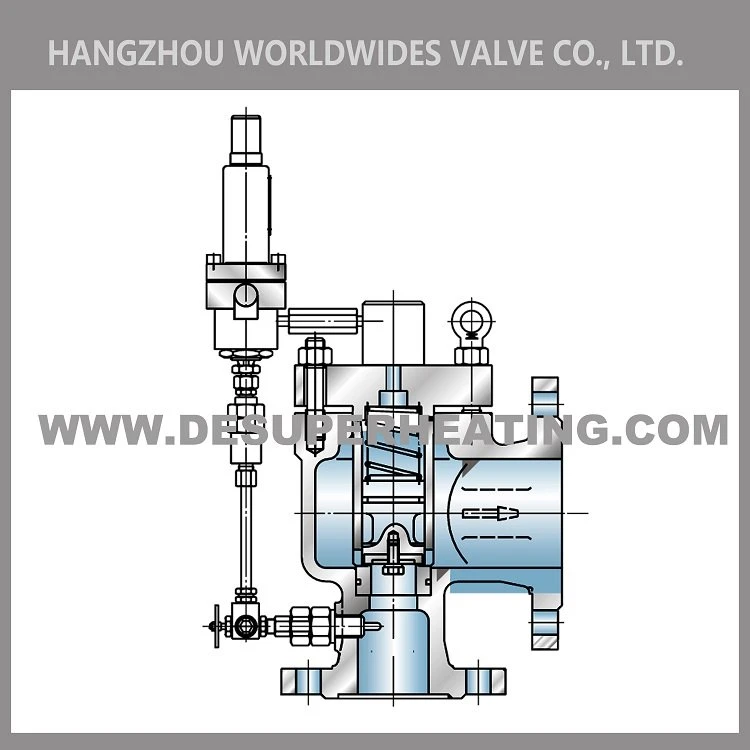
Venting and Drainage
Venting and drainage are important aspects of the piping system connected to the heater safety valve. The outlet piping should be properly vented to allow any gas or steam to escape safely. This prevents the build - up of pressure in the outlet piping, which could affect the valve's performance.
Drainage is also necessary to remove any condensate or other liquids that may accumulate in the piping. If the liquid is not drained, it can cause corrosion, reduce the flow capacity, and even damage the valve. Install drain valves at low points in the piping system to ensure proper drainage.
Accessibility for Maintenance
The piping should be designed in a way that allows for easy access to the heater safety valve for maintenance and inspection. You need to be able to reach the valve, its connections, and any associated components without having to remove a lot of other equipment. This makes it easier to check for leaks, clean the valve, and replace any worn - out parts.
Leave enough space around the valve and the piping for technicians to work comfortably. Avoid installing the piping in tight spaces or behind other equipment that could make it difficult to access.
Compliance with Standards and Codes
Last but not least, the piping connected to the heater safety valve must comply with relevant industry standards and codes. These standards are in place to ensure the safety and reliability of the entire system. For example, the American Society of Mechanical Engineers (ASME) has codes that specify the requirements for pressure vessels, piping, and safety valves.
Make sure your piping installation follows these standards to avoid any legal issues and to ensure the safety of your customers. Non - compliance can lead to fines, shutdowns, and most importantly, pose a significant safety risk.
Related Valve Products
If you're interested in other types of safety valves, we also offer Co2 Pressure Relief Valve and Bellows Safety Valve. These valves have their own unique applications and requirements, but many of the piping principles we've discussed here also apply to them.
Conclusion
To sum it up, getting the piping connected to a heater safety valve right is crucial for the safe and efficient operation of the entire system. From compatibility and sizing to support, venting, and compliance, every aspect needs to be carefully considered.
If you're in the market for a Heater Safety Valve or need advice on the piping requirements, don't hesitate to reach out. We're here to help you make the right choices for your specific needs. Whether you're a small business or a large industrial operation, we've got the expertise and the products to ensure your heater system is safe and reliable.
References
- American Society of Mechanical Engineers (ASME) Boiler and Pressure Vessel Code
- Industry best practices for piping and safety valve installation



