

Yo, I'm a supplier of steam desuperheaters, and I've seen my fair share of these things failing. It can be a real headache for everyone involved, from the plant operators to the maintenance crews. So, I thought I'd take a moment to talk about some of the reasons why steam desuperheaters can fail.
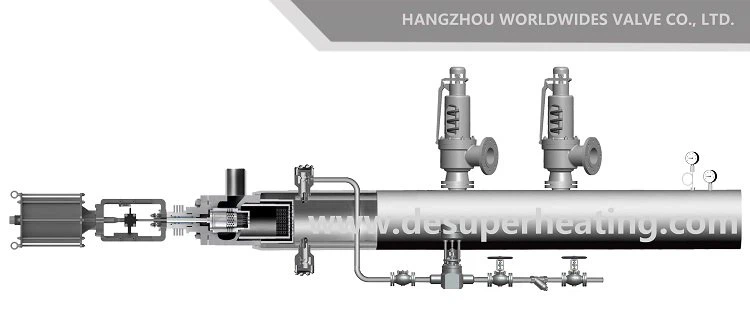
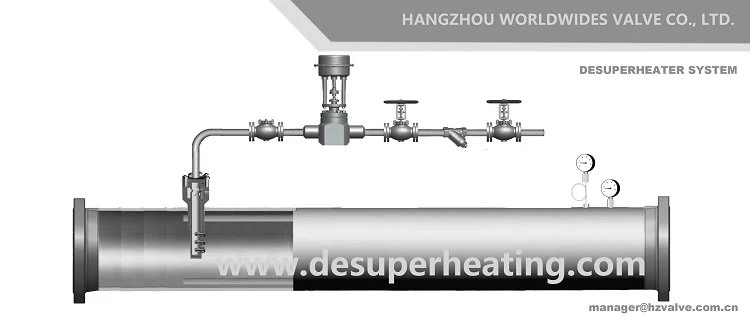
First off, let's talk about what a steam desuperheater is for those who might not know. A Desuperheater is a device that's used to reduce the temperature of superheated steam. It does this by injecting water into the steam, which cools it down. This is important in a lot of industrial processes where you need to control the temperature of the steam for safety and efficiency reasons.
One of the most common reasons for steam desuperheater failure is poor water quality. If the water that's being injected into the steam has a high level of impurities, it can cause all sorts of problems. For example, minerals and salts in the water can build up on the internal surfaces of the desuperheater. This buildup, known as scaling, can reduce the efficiency of the desuperheater. The scale acts as an insulator, making it harder for the heat transfer to occur between the steam and the injected water. As a result, the desuperheater might not be able to cool the steam down to the desired temperature.
Another issue with poor - quality water is corrosion. If the water is acidic or contains corrosive substances, it can eat away at the metal parts of the desuperheater. Over time, this corrosion can weaken the structure of the desuperheater, leading to leaks. And once there are leaks, the desuperheater is no longer able to function properly. The steam and water might not mix as they should, and you'll end up with inconsistent temperature control.
Incorrect installation is also a major culprit when it comes to desuperheater failure. If the desuperheater isn't installed in the right location within the steam system, it might not work as intended. For example, if it's installed too close to a valve or a bend in the pipe, the flow of steam and water can be disrupted. This can cause uneven mixing of the steam and the injected water, resulting in hot spots and cold spots in the steam.
Moreover, the orientation of the desuperheater matters. If it's not installed at the correct angle, the water might not distribute evenly throughout the steam. This can lead to inefficient cooling and potential damage to the desuperheater itself. The wrong installation can also put extra stress on the desuperheater, which can accelerate wear and tear.
Wear and tear over time is a natural factor in desuperheater failure. The constant flow of high - temperature steam and the injection of water can take a toll on the desuperheater. The internal components, like the nozzles through which the water is injected, can become worn. If the nozzles are damaged or clogged, the water won't be sprayed into the steam in the right way. This can lead to improper mixing and reduced cooling efficiency.
The materials used in the construction of the desuperheater can also play a role in its lifespan. If the materials aren't suitable for the specific operating conditions, they can degrade more quickly. For example, in a high - pressure and high - temperature environment, a desuperheater made from a low - quality metal might not be able to withstand the stress. This can result in cracking or deformation of the desuperheater, causing it to fail.
Malfunctioning control systems can be another reason for desuperheater failure. The control system is responsible for regulating the amount of water that's injected into the steam based on the steam temperature. If the sensors in the control system are inaccurate or if the control algorithm is faulty, the wrong amount of water might be injected. Too much water can cause water hammer, which is a shock wave that can damage the pipes and the desuperheater. Too little water, on the other hand, won't cool the steam enough.
In addition, a lack of proper maintenance can contribute to desuperheater failure. Regular maintenance is crucial for keeping the desuperheater in good working condition. This includes cleaning the internal components to prevent scaling, inspecting for signs of corrosion, and checking the control system for accuracy. If maintenance is neglected, small problems can turn into big ones over time.
Let's also talk about the impact of system overload. If the desuperheater is being asked to handle more steam or a higher temperature than it was designed for, it can fail. For example, if there's an unexpected increase in the steam production in a plant, the desuperheater might not be able to keep up. This can lead to overheating and potential damage to the desuperheater.
Now, there are different types of desuperheaters, and each has its own set of potential failure points. For instance, a Desuperheating System that combines pressure reduction and desuperheating has additional components that can fail. The pressure - reducing valves need to work correctly to ensure that the steam enters the desuperheater at the right pressure. If these valves malfunction, it can affect the overall performance of the desuperheater.
A Geothermal Desuperheater has its own unique challenges. Geothermal steam often contains more impurities than steam from other sources. This means that the risk of scaling and corrosion is even higher. The operating conditions in geothermal systems, such as high pressure and high - temperature variations, can also put more stress on the desuperheater.
In conclusion, there are many reasons why a steam desuperheater can fail. From poor water quality and incorrect installation to wear and tear and malfunctioning control systems, each factor can have a significant impact on the performance and lifespan of the desuperheater.
If you're facing issues with your steam desuperheater or are in the market for a new one, don't hesitate to reach out. We've got the expertise and the high - quality desuperheaters to meet your needs. Whether it's for a standard industrial application or a specialized geothermal system, we can provide you with a solution that works. Let's have a chat about your requirements and see how we can help you avoid those pesky desuperheater failures.
References
- "Steam Desuperheater Handbook" - A comprehensive guide on the operation and maintenance of steam desuperheaters.
- "Industrial Steam Systems: Best Practices" - This publication covers various aspects of steam systems, including desuperheaters and their common failure modes.



