

Hey there! As a supplier of Heater Safety Valves, I've seen firsthand how crucial these little devices are for keeping things safe and sound in heating systems. In this blog, I'm gonna break down the maintenance requirements for a heater safety valve, so you can make sure yours is always in tip - top shape.
Why Maintenance Matters
Let's start with why maintenance is so important. A heater safety valve is like the guardian angel of your heating system. Its job is to release excess pressure when things start to get too hot and dangerous. If it's not properly maintained, it might not work when you need it most. A malfunctioning valve could lead to all sorts of problems, from minor leaks to major explosions. No one wants that, right?
Regular Inspections
One of the most basic maintenance tasks is regular inspections. You should check your heater safety valve at least once a year, or more often if the valve is in a high - stress environment. During an inspection, you'll want to look for a few key things.
First, check for any visible signs of damage. Look for cracks, dents, or corrosion on the valve body. These can weaken the valve and make it less effective. If you see any damage, it's probably time to replace the valve. You can find a great selection of Heater Safety Valves on our website.
Next, check the connections. Make sure the valve is tightly connected to the heater and the piping. Loose connections can cause leaks, which can be a safety hazard. If the connections are loose, tighten them up carefully. But be careful not to over - tighten, as this can also damage the valve.
Cleaning
Cleaning is another important part of maintenance. Over time, dirt, debris, and mineral deposits can build up inside the valve. This can clog the valve and prevent it from working properly. To clean the valve, you'll need to remove it from the heater. Be sure to follow the manufacturer's instructions when doing this.
Once the valve is removed, you can clean it with a mild detergent and a soft brush. Gently scrub away any dirt or deposits. Rinse the valve thoroughly with clean water and let it dry completely before reinstalling it.
Testing
Testing the valve is crucial to make sure it's working correctly. There are a few different ways to test a heater safety valve. One common method is the pressure test. You'll need a pressure gauge for this.
Connect the pressure gauge to the valve and slowly increase the pressure. The valve should open at the set pressure. If it doesn't open, or if it opens at the wrong pressure, there's a problem. In this case, you might need to adjust the valve or replace it.
Another test is the visual test. Watch the valve as the pressure increases. It should open smoothly and close tightly when the pressure drops. If you notice any jerky movements or if the valve doesn't close completely, it's a sign that something is wrong.
Lubrication
Some heater safety valves require lubrication to work properly. Check the manufacturer's instructions to see if your valve needs lubrication. If it does, use a high - quality lubricant that's designed for use with valves.
Apply the lubricant to the moving parts of the valve, such as the stem and the spring. Be careful not to over - lubricate, as this can attract dirt and debris.
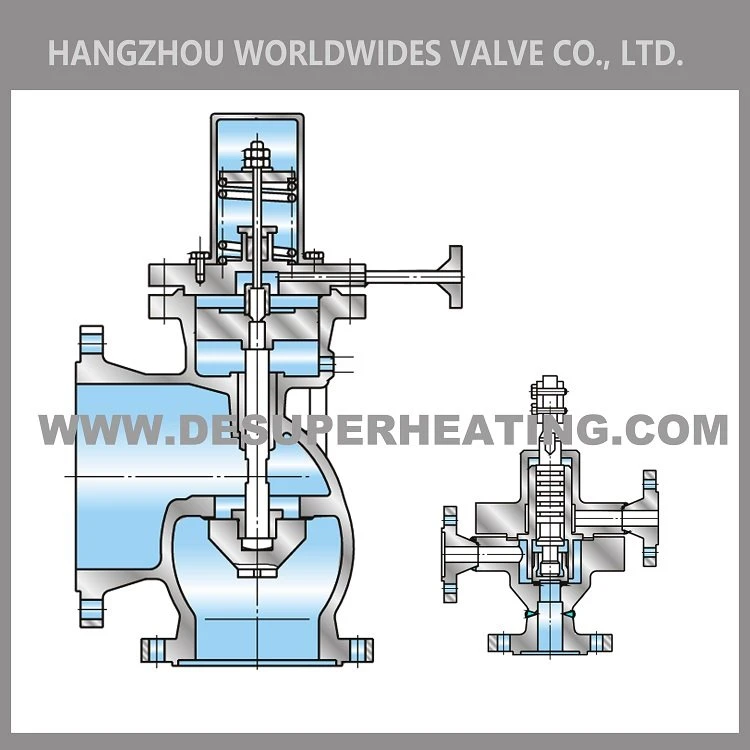

Comparing with Other Safety Valves
It's interesting to compare heater safety valves with other types of safety valves, like Compressor Safety Valves and Bellows Safety Valves. While they all serve the same basic purpose of relieving excess pressure, they have different designs and applications.
Compressor safety valves are designed for use in compressor systems. They need to handle high - pressure gases and are often used in industrial settings. Heater safety valves, on the other hand, are more focused on the heating environment and deal with hot water or steam.
Bellows safety valves use a bellows design to isolate the spring and other internal components from the process fluid. This makes them suitable for applications where the fluid is corrosive or contains contaminants. Heater safety valves may or may not have this type of design, depending on the specific requirements of the heating system.
When to Replace
Even with proper maintenance, a heater safety valve won't last forever. There are a few signs that it's time to replace the valve. If the valve has been damaged beyond repair, or if it fails multiple tests, it's definitely time for a new one.
Also, if the valve is old, it might be a good idea to replace it. Over time, the materials in the valve can degrade, even with regular maintenance. As a general rule, it's a good idea to replace a heater safety valve every 5 - 10 years, depending on the usage and the environment.
Conclusion
Maintaining a heater safety valve is not that difficult, but it's extremely important. By following these maintenance requirements, you can ensure that your valve is always ready to do its job and keep your heating system safe.
If you're in the market for a new heater safety valve, or if you have any questions about maintenance, don't hesitate to reach out. We're here to help you make the right choice and keep your system running smoothly. Contact us today to start a discussion about your needs and let's find the perfect heater safety valve for you.
References
- Manufacturer's manuals for heater safety valves
- Industry standards for safety valve maintenance



