

A desuperheater system is a crucial component in many industrial processes, particularly those involving steam generation and distribution. As a leading supplier of desuperheater systems, I understand the importance of proper installation to ensure optimal performance and efficiency. In this blog post, I will discuss the key installation requirements for a desuperheater system, covering aspects such as site preparation, equipment positioning, piping connections, and control system integration.
Site Preparation
Before installing a desuperheater system, it is essential to prepare the installation site properly. This involves ensuring that the area is clean, level, and free from any obstructions. The site should also have adequate space to accommodate the desuperheater unit, associated piping, and control equipment. Additionally, it is important to consider the accessibility of the site for maintenance and inspection purposes.
- Cleanliness: The installation site should be thoroughly cleaned to remove any dirt, debris, or contaminants that could potentially damage the desuperheater system. This includes cleaning the floor, walls, and any other surfaces in the vicinity of the installation area.
- Level Surface: The desuperheater unit should be installed on a level surface to ensure proper alignment and operation. Any unevenness in the surface can cause stress on the unit and its components, leading to premature wear and failure.
- Space Requirements: Sufficient space should be provided around the desuperheater unit to allow for easy access during installation, maintenance, and inspection. This includes clearance for valve operation, piping connections, and access to control panels.
- Ventilation: Adequate ventilation should be provided in the installation area to prevent the buildup of heat and moisture. This is particularly important for desuperheater systems that operate at high temperatures or in humid environments.
Equipment Positioning
Proper positioning of the desuperheater system is crucial for its efficient operation. The unit should be installed in a location that allows for easy access to the steam and water supply lines, as well as the outlet piping. Additionally, the desuperheater should be positioned in a way that minimizes pressure drop and ensures uniform distribution of the cooling water.
- Steam Inlet: The steam inlet to the desuperheater should be located upstream of the unit to ensure that the steam is at the desired pressure and temperature before entering the desuperheater. The inlet piping should be sized appropriately to minimize pressure drop and ensure a smooth flow of steam.
- Water Inlet: The water inlet to the desuperheater should be located in a position that allows for easy connection to the water supply line. The inlet piping should be equipped with a control valve to regulate the flow of water into the desuperheater.
- Outlet Piping: The outlet piping from the desuperheater should be sized appropriately to handle the flow of steam and water mixture. The piping should be installed in a way that minimizes pressure drop and ensures a smooth flow of the mixture to the downstream equipment.
- Mounting: The desuperheater unit should be mounted securely to a suitable support structure to prevent vibration and movement during operation. The support structure should be designed to withstand the weight of the unit and any associated piping.
Piping Connections
Proper piping connections are essential for the safe and efficient operation of a desuperheater system. The piping should be installed in accordance with the manufacturer's specifications and relevant industry standards. This includes using the correct pipe materials, sizes, and fittings, as well as ensuring proper alignment and support of the piping.

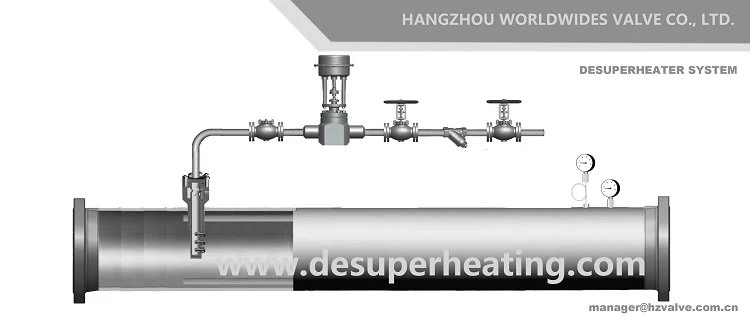
- Pipe Materials: The piping used in the desuperheater system should be made of materials that are compatible with the steam and water being handled. Common materials include carbon steel, stainless steel, and copper.
- Pipe Sizing: The pipe sizing should be determined based on the flow rate, pressure, and temperature of the steam and water. The piping should be sized to minimize pressure drop and ensure a smooth flow of the fluids.
- Fittings: The piping connections should be made using appropriate fittings, such as flanges, elbows, tees, and reducers. The fittings should be selected based on the pipe size, pressure rating, and type of connection required.
- Alignment and Support: The piping should be installed in a way that ensures proper alignment and support. This includes using pipe hangers, brackets, and supports to prevent sagging and vibration of the piping.
Control System Integration
A desuperheater system typically includes a control system to regulate the flow of steam and water and maintain the desired temperature of the outlet steam. The control system should be integrated with the desuperheater unit and the associated piping to ensure accurate and reliable operation.
- Temperature Sensor: A temperature sensor should be installed in the outlet piping of the desuperheater to monitor the temperature of the steam and water mixture. The sensor should be connected to the control system to provide feedback for temperature regulation.
- Control Valve: A control valve should be installed in the water inlet piping to regulate the flow of water into the desuperheater. The control valve should be controlled by the control system based on the temperature feedback from the sensor.
- Flow Meter: A flow meter should be installed in the steam inlet piping to monitor the flow rate of the steam. The flow meter should be connected to the control system to provide feedback for flow regulation.
- Control Panel: The control system should be housed in a control panel that is easily accessible for operation and maintenance. The control panel should include indicators, switches, and controls for monitoring and adjusting the operation of the desuperheater system.
Commissioning and Testing
Once the desuperheater system has been installed, it is important to commission and test the system to ensure that it is operating properly. This includes checking the piping connections, control system settings, and overall performance of the system.
- Piping Inspection: The piping connections should be inspected to ensure that they are tight and leak-free. Any leaks should be repaired before the system is put into operation.
- Control System Calibration: The control system should be calibrated to ensure that it is accurately measuring and controlling the temperature and flow rate of the steam and water. This includes adjusting the setpoints, sensors, and control valves as necessary.
- Performance Testing: The desuperheater system should be tested under normal operating conditions to ensure that it is achieving the desired performance. This includes measuring the temperature, pressure, and flow rate of the steam and water at the inlet and outlet of the desuperheater.
Conclusion
Proper installation of a desuperheater system is essential for its efficient and reliable operation. By following the installation requirements outlined in this blog post, you can ensure that your desuperheater system is installed correctly and performs optimally. If you have any questions or need further assistance with the installation of a desuperheater system, please do not hesitate to contact us. We are a leading supplier of Desuperheater systems, Desuperheater In Boiler, and Pressure Reducing Desuperheating System, and our team of experts is always ready to help you with your installation needs. Whether you are looking for a new desuperheater system or need to upgrade an existing one, we can provide you with the right solution for your specific requirements. Contact us today to discuss your project and explore how our desuperheater systems can enhance the performance of your industrial processes.
References
- ASME Boiler and Pressure Vessel Code
- API Standards for Piping and Instrumentation
- Manufacturer's Installation and Operation Manuals



