

Hey there! As a check valve supplier, I've had my fair share of experiences with these handy little devices. Check valves are super useful in lots of industries, but like anything, they've got their downsides. So, let's dig into what those disadvantages are.
1. Limited Flow Capacity
One of the first things you might run into with check valves is their limited flow capacity. You see, check valves are designed to allow flow in one direction and prevent it in the other. This design can create a bit of a bottleneck. The internal components of the valve, like the disc or the ball, need to move to open and close the valve. When they're in the way, they reduce the effective cross - sectional area through which the fluid can flow.
For example, in a pipeline where you need a high - volume flow of liquid or gas, a check valve can slow things down. It's like having a narrow doorway in a busy hallway. People can still get through, but it takes longer and there's a bit of a traffic jam. In industrial applications, this limited flow capacity can mean lower productivity. If you're running a manufacturing plant and your pipes can't deliver the necessary amount of raw materials because of a check valve, it can cause delays in production.
2. Pressure Drop
Along with limited flow capacity comes pressure drop. When fluid passes through a check valve, it has to overcome the resistance created by the valve's internal parts. This resistance causes a decrease in pressure on the downstream side of the valve. Now, in some systems, a small pressure drop might not be a big deal. But in others, it can be a real headache.
Let's say you're working on a high - pressure hydraulic system. Even a slight pressure drop can affect the performance of the entire system. The equipment that relies on that high pressure to operate might not work as efficiently. You might end up having to use more energy to compensate for the lost pressure, which means higher operating costs. And if the pressure drop is too significant, it could even lead to system failures.
3. Water Hammer
Water hammer is another major disadvantage of check valves. It happens when the flow of fluid in a pipeline is suddenly stopped or reversed. In a check valve, this can occur when the valve closes quickly. When the valve slams shut, it creates a shockwave in the pipeline. This shockwave can cause a loud banging noise, kind of like a hammer hitting the inside of the pipe.
But it's not just the noise that's a problem. The shockwave can also cause damage to the pipeline and other components in the system. It can lead to leaks, cracks in the pipes, and even damage to pumps and other equipment. In extreme cases, water hammer can cause a pipeline to burst, which is a major safety hazard. To prevent water hammer, you might need to install additional equipment like surge suppressors or slow - closing check valves, which adds to the cost of the system.
4. Maintenance Requirements
Check valves require regular maintenance to keep them working properly. Over time, the internal parts of the valve can wear out, get clogged with debris, or corrode. For example, in a system that handles dirty or corrosive fluids, the valve's disc or seat can get damaged. This can lead to leaks or improper functioning of the valve.
Maintenance involves tasks like inspecting the valve for wear and tear, cleaning it to remove any debris, and replacing worn - out parts. And let's face it, maintenance takes time and money. You need to have trained personnel to do the job, and you also need to have spare parts on hand. If you don't keep up with the maintenance, the valve's performance will degrade, and it could eventually fail.
5. Limited Reverse Flow Prevention
While check valves are designed to prevent reverse flow, they're not always perfect at it. In some cases, there can be a small amount of leakage in the reverse direction. This can happen due to wear and tear on the valve's sealing surfaces or if there's debris stuck between the valve's parts.
In systems where even a tiny amount of reverse flow can cause problems, this can be a real issue. For example, in a chemical processing plant, if a small amount of one chemical flows back into a tank containing another chemical, it could cause a dangerous reaction. So, you might need to use additional valves or safety measures to ensure complete prevention of reverse flow, which again adds to the complexity and cost of the system.
6. Noise and Vibration
Check valves can also generate noise and vibration during operation. When the fluid passes through the valve and the internal parts move, it can create a rattling or humming sound. This noise can be annoying, especially in environments where quiet operation is important, like in hospitals or residential areas.
The vibration can also be a problem. It can cause fatigue in the pipeline and other components, leading to premature failure. To reduce noise and vibration, you might need to use special mounting techniques or vibration - dampening materials, which adds to the overall cost of the installation.
7. Compatibility Issues
Check valves need to be compatible with the fluid they're handling. Different fluids have different properties, like viscosity, temperature, and chemical composition. If a check valve isn't compatible with the fluid, it can lead to problems.
For example, if you use a valve made of a material that's not resistant to a corrosive fluid, the valve will start to corrode over time. This can lead to leaks and a shorter lifespan for the valve. You need to carefully select the right type of check valve based on the fluid and the operating conditions. And sometimes, finding the right valve can be a challenge, especially for unique or specialized applications.
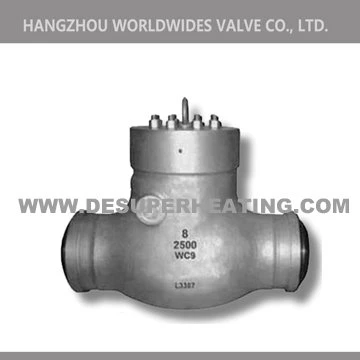
Swing Check Valve For Steam
If you're specifically looking for a swing check valve for steam applications, you can check out Swing Check Valve For Steam. These valves are designed to handle the unique properties of steam, but they still come with some of the disadvantages we've talked about.
Despite these disadvantages, check valves are still widely used because they're an essential part of many systems. They play a crucial role in preventing backflow and protecting equipment. But it's important to be aware of their limitations so you can make the right decisions when choosing and using them.
If you're in the market for check valves and want to discuss your specific needs, feel free to reach out. We can work together to find the best solution for your application, taking into account all the factors we've talked about here. Whether you're dealing with high - pressure systems, corrosive fluids, or just need a reliable valve for a simple pipeline, we've got you covered.
References
- "Valve Handbook" by Valve Manufacturers Association
- "Fluid Mechanics and Hydraulics" textbooks for understanding pressure drop and water hammer concepts.



