

Hey there! As a supplier of water pipe gate valves, I often get asked a really common question: "Can a water pipe gate valve be used for sewage pipes?" It's a valid concern, and today, I'm gonna break it down for you.
First off, let's understand what a water pipe gate valve is. A gate valve is a type of valve that uses a gate - like disc to control the flow of fluid. When the gate is fully open, the fluid can flow freely through the pipe. When it's closed, the gate blocks the flow completely. These valves are widely used in water supply systems because they offer a straight - through flow path with minimal resistance when fully open, which is great for maximizing the flow rate.
Now, sewage pipes are a whole different ballgame. Sewage contains all sorts of stuff - solid waste, debris, chemicals, and even some pretty nasty bacteria. The environment inside a sewage pipe is much harsher compared to a regular water pipe. So, can a water pipe gate valve handle this tough environment?
Pros of Using Water Pipe Gate Valves in Sewage Pipes
There are a few reasons why you might consider using a water pipe gate valve in a sewage pipe.
Simple Design and Full - Open Flow
Gate valves have a relatively simple design. There aren't a whole bunch of moving parts, which means there's less that can go wrong. And when the valve is fully open, it provides a full - bore flow, which is ideal for sewage systems where you want to move as much waste as possible without any major restrictions. This can help prevent blockages in the pipes.
Cost - Effective
In general, water pipe gate valves are more affordable compared to some specialized sewage valves. If you're on a tight budget for a sewage project, using a water pipe gate valve can be an attractive option.
Cons of Using Water Pipe Gate Valves in Sewage Pipes
However, there are also some significant drawbacks.
Susceptible to Blockages
Sewage contains solid particles, and these can get stuck between the gate and the valve seat. When this happens, the valve might not close properly, leading to leaks. And once a blockage forms, it can be a real pain to clear it out. You might have to disassemble the valve, which is time - consuming and can disrupt the sewage system.
Corrosion and Erosion
The chemicals and abrasive materials in sewage can cause corrosion and erosion of the valve components. Water pipe gate valves are typically designed for clean water, so their materials might not be as resistant to the harsh chemicals and abrasives found in sewage. Over time, this can lead to the degradation of the valve, reducing its lifespan and performance.
Difficult Operation in Sewage Conditions
Operating a gate valve in a sewage environment can be tricky. If there's a lot of debris around the valve, it can be hard to turn the valve handle. And if the valve has been partially blocked, it might require a lot more force to open or close it, which can cause damage to the valve mechanism.
Types of Gate Valves and Their Suitability for Sewage
Not all gate valves are created equal. Let's take a look at some specific types and how they fare in sewage applications.
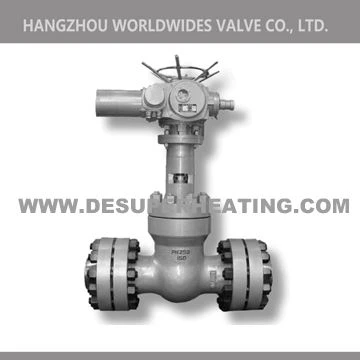
Flange Gate Valve
Flange gate valves are commonly used in many industrial applications, including water and sewage systems. They are connected to the pipes using flanges, which provides a secure and leak - proof connection. However, in sewage systems, the flanges can also collect debris, which might require regular cleaning. The materials of flange gate valves need to be carefully chosen to withstand the corrosive nature of sewage. For example, valves made from corrosion - resistant materials like stainless steel can be a better option for sewage applications.
Resilient Seated Non - Rising Stem Gate Valve
These valves have a resilient seat, which can provide a better seal compared to traditional gate valves. The non - rising stem design means that the stem doesn't move up and down as the valve is opened or closed, which can be an advantage in applications where space is limited. In sewage systems, the resilient seat can help prevent leaks caused by small particles getting between the gate and the seat. However, the resilient material might not be very resistant to the harsh chemicals in sewage, so it could degrade over time.
ANSI 150lb/300lb CF8m Gate Valve
The ANSI 150lb/300lb CF8m gate valve is made from CF8m stainless steel, which has good corrosion resistance. This makes it a better choice for sewage applications compared to some other water pipe gate valves. The ANSI standards ensure that the valve meets certain quality and performance requirements. However, it's still important to keep in mind that sewage can be extremely harsh, and even a corrosion - resistant valve might need proper maintenance.
Making the Right Decision
So, should you use a water pipe gate valve in a sewage pipe? Well, it depends on the specific circumstances of your sewage system.
If it's a small - scale sewage system with relatively clean sewage and you're looking for a cost - effective solution, a water pipe gate valve might work. But for large - scale industrial sewage systems or systems that handle a lot of solid waste, it's probably better to invest in specialized sewage valves.
When making your decision, consider the following factors:
- Nature of the Sewage: How dirty is the sewage? Does it contain a lot of solid particles or just a little bit?
- Frequency of Use: How often will the valve need to be opened and closed? Frequent operation in a sewage environment can put more stress on the valve.
- Budget: How much money do you have to spend on the valve? You need to balance the cost with the long - term performance.
Maintenance and Care
If you do decide to use a water pipe gate valve in a sewage pipe, proper maintenance is crucial.
Regular Inspections
Inspect the valve regularly for signs of blockages, corrosion, or leaks. Look for any debris that might be stuck around the valve or in the valve seat.
Cleaning
Clean the valve periodically to remove any accumulated debris. You can use a brush or a high - pressure water jet to clean the valve components.
Lubrication
Make sure to lubricate the valve stem and other moving parts to ensure smooth operation. This can also help prevent corrosion.
Conclusion
In conclusion, while it's possible to use a water pipe gate valve in a sewage pipe, it's not without its challenges. There are some advantages, like simple design and cost - effectiveness, but there are also significant drawbacks, such as susceptibility to blockages and corrosion.
As a water pipe gate valve supplier, I always recommend carefully evaluating your specific sewage system requirements before making a decision. If you have any questions or need more information about our gate valves, feel free to reach out. We're here to help you make the right choice for your project. Whether you're looking for a Flange Gate Valve, a Resilient Seated Non - Rising Stem Gate Valve, or an ANSI 150lb/300lb CF8m Gate Valve, we can provide you with high - quality products and expert advice. If you're interested in purchasing our gate valves or just want to discuss your project further, don't hesitate to contact us. We're eager to work with you on your sewage or water system project.

References
- "Valve Handbook" by J. Paul Tullis
- Various industry reports on valve applications in sewage systems.



