

Hey there! As a supplier of Compressor Safety Valves, I've seen firsthand the importance of proper alignment during installation. It's not just a technicality; it's a critical factor that can make or break the performance and safety of your compressor system. In this blog post, I'll walk you through the alignment requirements for a Compressor Safety Valve installation, and why they matter so much.
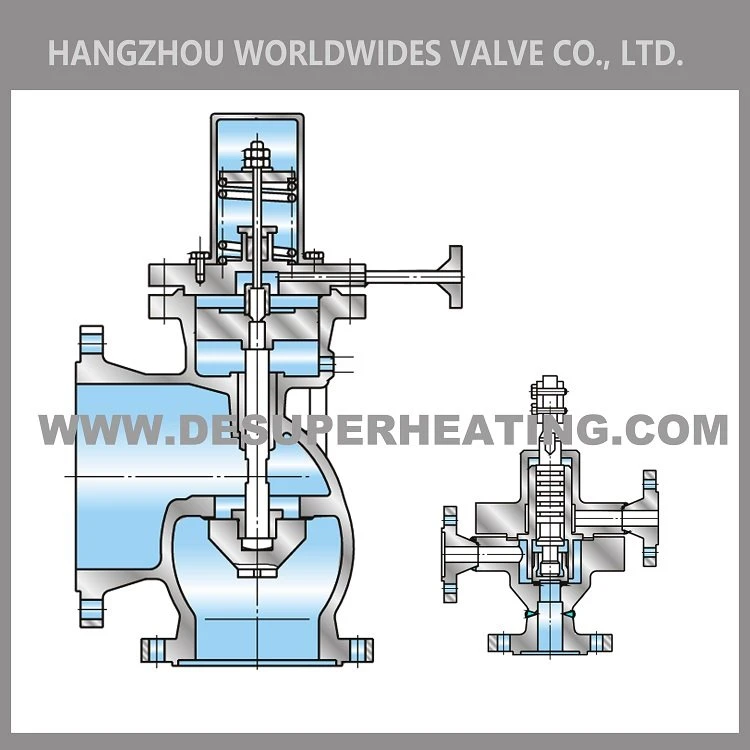
First off, let's talk about what a Compressor Safety Valve does. Simply put, it's a crucial component that protects your compressor from over - pressure situations. When the pressure inside the compressor exceeds a safe level, the safety valve opens up, releasing the excess pressure and preventing potential damage to the compressor and the entire system.
1. Vertical Alignment
One of the most fundamental alignment requirements is vertical alignment. The Compressor Safety Valve should be installed in a vertical position. Why? Well, a vertical installation ensures that the valve can operate correctly under the force of gravity. When the valve is vertical, the disc inside the valve can seat properly and close tightly when the pressure returns to a normal level.
If the valve is installed at an angle or horizontally, it can lead to several problems. For example, the disc might not close properly, which means there could be a continuous leak of compressed air or gas. This not only wastes energy but also poses a safety risk. A leaky valve can also cause the valve to wear out faster, reducing its lifespan.
2. Piping Alignment
Proper piping alignment is also essential. The inlet and outlet pipes connected to the Compressor Safety Valve need to be aligned correctly. The inlet pipe should be straight and free from any bends or restrictions close to the valve. A straight inlet pipe allows the pressure to build up evenly in front of the valve, ensuring accurate operation.
On the outlet side, the pipe should be properly sized and routed to a safe location. The outlet pipe should be able to handle the full flow of the released pressure without causing any back - pressure. If the outlet pipe is too small or has too many bends, it can create back - pressure, which can prevent the valve from opening fully or cause it to close prematurely.
3. Alignment with the Compressor
The Compressor Safety Valve needs to be properly aligned with the compressor itself. It should be installed as close to the compressor as possible. This is because the closer the valve is to the compressor, the more accurately it can sense the pressure inside the compressor.
If the valve is installed too far away, there can be a delay in the valve's response to pressure changes. This delay can be dangerous, as it means the compressor could be exposed to high pressure for a longer period of time before the valve opens.
4. Level Alignment
In addition to vertical alignment, the valve also needs to be level. A level valve ensures that all the internal components are in the correct position. If the valve is tilted, it can cause uneven wear on the valve seat and disc, leading to leaks and reduced performance.
To check the level alignment, you can use a spirit level. Make sure the valve is perfectly level both horizontally and vertically before tightening the mounting bolts.
5. Alignment with the Pressure Relief System
The Compressor Safety Valve is part of a larger pressure relief system. It needs to be aligned with other components in the system, such as pressure gauges and other safety devices.
The pressure gauge should be installed in a location where it can accurately measure the pressure in the same area as the safety valve. This allows operators to monitor the pressure and ensure that the safety valve is operating correctly.
Why Alignment Matters
Proper alignment is crucial for several reasons. Firstly, it ensures the safety of the compressor system. A misaligned safety valve might not open when it's supposed to, which can lead to a dangerous over - pressure situation. This can cause the compressor to fail, damage other components in the system, or even result in an explosion.

Secondly, proper alignment improves the efficiency of the compressor. A well - aligned safety valve operates more accurately, which means it can prevent unnecessary pressure build - up and energy waste.
Finally, it extends the lifespan of the safety valve. When the valve is properly aligned, there is less wear and tear on the internal components, which means the valve will last longer and require less maintenance.
Other Related Safety Valves
If you're also interested in other types of safety valves, we have some great options. Check out our Heater Safety Valve, High Pressure Steam Boiler Safety Valve, and Safety Valve For Solar Water Heater. These valves are designed to meet the specific safety requirements of different systems.
Let's Talk
If you're in the market for Compressor Safety Valves or have any questions about alignment requirements, I'd love to hear from you. We have a team of experts who can help you choose the right valve for your needs and ensure that it's installed correctly. Whether you're a small business or a large industrial operation, we've got the solutions you need.
References
- ASME Boiler and Pressure Vessel Code
- API Standard 526 - Flanged Steel Pressure Relief Valves
- ISO 4126 - Safety devices for protection against excessive pressure



