

Testing a bellows safety valve is a critical process that ensures the valve functions correctly and safely in various industrial applications. As a bellows safety valve supplier, I understand the importance of a comprehensive testing regime to provide our customers with reliable and high - quality valves. In this blog, I will guide you through the process of testing a bellows safety valve, from pre - test preparations to post - test evaluations.
Pre - test Preparations
Inspection and Visual Check
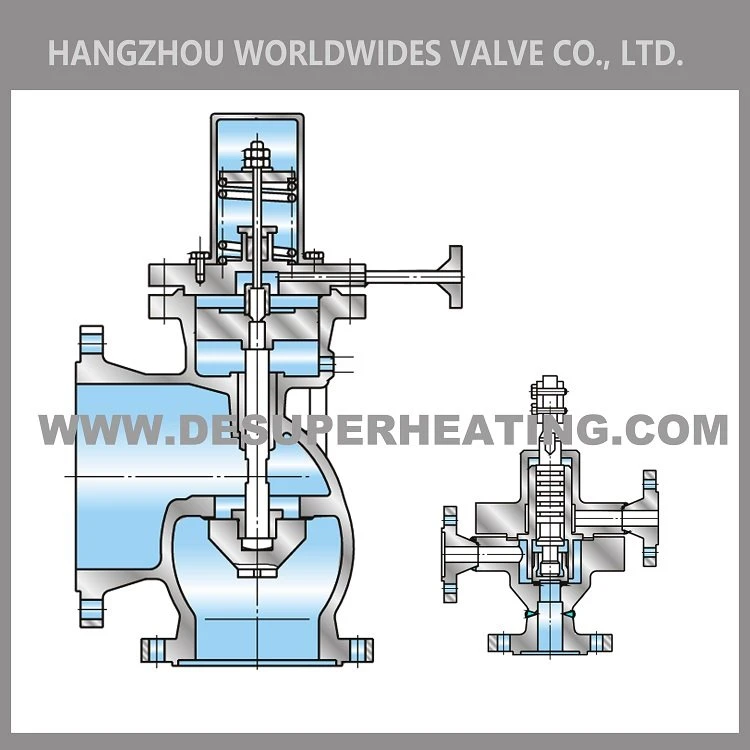
Before conducting any tests on a bellows safety valve, it is essential to perform a detailed visual inspection. Examine the valve body for any signs of damage, such as cracks, corrosion, or dents. Check the bellows for integrity; look for leaks, tears, or excessive wear. The condition of the bellows is crucial since it plays a significant role in maintaining the valve's performance and preventing the process fluid from escaping into the environment.
Ensure that all the external parts of the valve, including the spring, disc, and seat, are in good condition. The spring should be free from deformation, and the disc and seat should have a smooth surface finish without any pits or scoring. A damaged disc or seat can lead to valve leakage or improper opening and closing, compromising the safety of the system.
Cleaning
Clean the bellows safety valve thoroughly before testing. Remove any dirt, debris, or contaminants that may have accumulated on the valve during storage or transportation. Dirt particles can interfere with the valve's operation, causing erratic opening and closing behavior. Use a suitable cleaning agent and a soft brush to clean the valve components gently. Make sure to dry the valve completely to prevent corrosion.
Mounting and Installation Check
Verify that the bellows safety valve is correctly mounted and installed in the system. The valve should be installed in a vertical position to ensure proper operation. Check the piping connections to ensure they are tight and leak - free. Loose connections can cause pressure loss and affect the valve's performance.
Testing Procedures
Static Pressure Testing
The static pressure test is the first step in testing a bellows safety valve. It is used to verify the valve's ability to maintain a tight seal under normal operating pressure. Apply a static pressure to the valve that is below its set pressure. Use a calibrated pressure gauge to monitor the pressure accurately.
For a specified period, typically 10 - 15 minutes, observe the valve for any signs of leakage. If there is any leakage during this test, it indicates a problem with the valve's sealing components, such as the disc or seat. In such cases, the valve may need to be disassembled, inspected further, and repaired or replaced as necessary.
Set Pressure Testing
The set pressure is the pressure at which the bellows safety valve is designed to open. To test the set pressure, gradually increase the pressure on the valve using a pressure source. As the pressure approaches the set pressure, the valve should start to open. The opening of the valve can be detected by a change in the sound, vibration, or the movement of the valve stem.
Use a calibrated pressure gauge to measure the exact pressure at which the valve opens. The measured opening pressure should be within the acceptable tolerance range specified by the valve manufacturer. If the measured opening pressure is outside the tolerance range, the valve may need to be adjusted or re - calibrated.
Blowdown Testing
Blowdown is the difference between the set pressure and the pressure at which the valve closes after opening. A proper blowdown ensures that the valve closes promptly and does not chatter or vibrate after closing.
After the valve has opened, continue to increase the pressure slightly to ensure full lift. Then, gradually reduce the pressure until the valve closes. Record the closing pressure and calculate the blowdown. The blowdown should be within the specified range for the particular valve design. If the blowdown is too large or too small, it can affect the valve's performance and system safety.

Leak - by Testing
Leak - by testing is performed after the valve has closed following the blowdown test. Apply a pressure slightly below the set pressure to the valve and monitor for any leakage. The leakage rate should be within the acceptable limits specified by industry standards. Even a small amount of leakage over time can cause process fluid loss, environmental pollution, and potential safety hazards.
Post - test Evaluations
Documentation
All test results should be documented carefully. The documentation should include details such as the valve model, serial number, test date, set pressure, opening pressure, closing pressure, blowdown, and leak - by rate. This documentation serves as a record of the valve's performance and can be used for future reference, maintenance, and regulatory compliance.
Valve Re - assembly and Marking
If the valve has passed all the tests successfully, it can be re - assembled. Make sure to follow the manufacturer's instructions for re - assembly to ensure proper alignment and function of all components. After re - assembly, mark the valve with the test results, including the set pressure, opening pressure, and date of testing. This marking provides valuable information for operators and maintenance personnel.
System Integration
Once the valve has been tested and marked, it can be integrated back into the system. Ensure that all the connections are secure and that the valve is properly aligned with the piping system. After integration, perform a final check of the system to ensure that the valve operates correctly under normal operating conditions.
Importance of Testing for Our Customers
As a Link Text: Bellows Safety Valve supplier, we understand that testing is crucial for our customers. A properly tested bellows safety valve ensures the safety and reliability of their industrial processes. Whether it is a Link Text: High Pressure Steam Boiler Safety Valve in a power plant or a Link Text: Heater Safety Valve in a chemical processing facility, a malfunctioning safety valve can lead to catastrophic consequences.
By providing thoroughly tested safety valves, we help our customers avoid costly downtime, equipment damage, and potential safety incidents. Our testing procedures are designed to meet or exceed industry standards, giving our customers peace of mind knowing that their safety valves will perform as expected.
Contact Us for Purchasing and Consultation
If you are in the market for high - quality bellows safety valves or need more information about our testing procedures, we invite you to contact us. Our team of experts is ready to assist you with your specific requirements and can provide you with detailed product information, pricing, and delivery options. Working with us as your bellows safety valve supplier means choosing reliability, quality, and performance.
References
- Safety Valve Standards and Codes, American Society of Mechanical Engineers (ASME).
- Industrial Valve Testing Guidelines, International Organization for Standardization (ISO).



