



Selecting the appropriate spring for a compressor safety valve is a critical task that directly impacts the safety and efficiency of the entire compression system. As a reputable compressor safety valve supplier, we understand the intricacies involved in this process and are committed to providing our customers with the best solutions. In this blog, we will delve into the key factors to consider when choosing the right spring for a compressor safety valve.
Understanding the Basics of Compressor Safety Valves
Compressor safety valves are essential components in any compression system. Their primary function is to protect the system from over - pressurization by releasing excess pressure when it reaches a predetermined set point. The spring inside the safety valve plays a crucial role in determining this set point. When the pressure in the system exceeds the force exerted by the spring, the valve opens, allowing the excess pressure to escape.
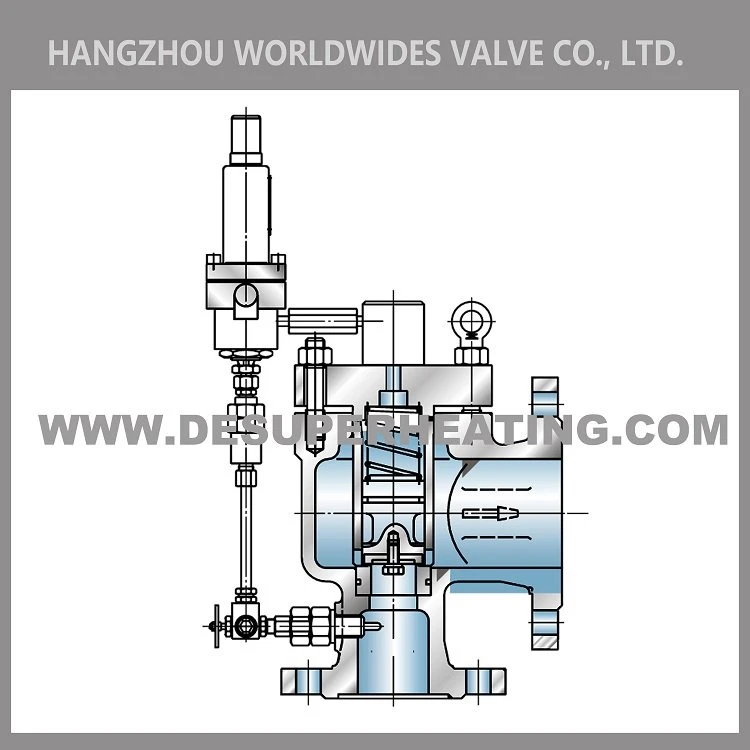

Factors to Consider When Selecting a Spring
1. Set Pressure
The set pressure is the most fundamental factor when choosing a spring for a compressor safety valve. It is the pressure at which the valve is designed to open. The spring must be selected such that it can withstand the normal operating pressure of the system without opening prematurely, but also allow the valve to open when the pressure reaches the set point. To determine the appropriate set pressure, you need to have a clear understanding of the maximum allowable working pressure (MAWP) of the compressor system. The set pressure should be slightly lower than the MAWP to ensure safety. For example, if the MAWP of a compressor is 100 psi, the set pressure of the safety valve might be set at 90 psi.
2. Spring Rate
The spring rate, also known as the spring constant, is the amount of force required to compress the spring by a unit distance. A higher spring rate means that more force is needed to compress the spring. When selecting a spring, you need to consider the relationship between the spring rate and the set pressure. A spring with a high spring rate is suitable for systems with high set pressures, while a spring with a low spring rate is better for systems with lower set pressures. For instance, in a high - pressure compressor system with a set pressure of 500 psi, a spring with a relatively high spring rate will be required to maintain the valve in a closed position until the pressure reaches the set point.
3. Temperature
Temperature can have a significant impact on the performance of the spring. Most springs are made of metals, and metals expand or contract with changes in temperature. In a compressor system, the temperature can vary depending on the operating conditions. High temperatures can cause the spring to lose its elasticity, which may result in a change in the set pressure of the safety valve. Therefore, when selecting a spring, you need to consider the temperature range of the compressor system. For high - temperature applications, special heat - resistant springs may be required. For example, in a compressor used in a refinery where the temperature can reach several hundred degrees Celsius, a spring made of a high - nickel alloy may be more suitable.
4. Material of the Spring
The material of the spring is another important factor. Different materials have different properties, such as strength, corrosion resistance, and elasticity. Common materials used for springs in compressor safety valves include stainless steel, carbon steel, and nickel alloys. Stainless steel springs are popular because they offer good corrosion resistance, which is important in environments where the compressor may be exposed to moisture or corrosive substances. Carbon steel springs are relatively inexpensive and have good strength, but they are more prone to corrosion. Nickel alloys are often used in high - temperature and high - pressure applications due to their excellent heat resistance and mechanical properties.
5. Compatibility with the Valve Body
The spring must be compatible with the valve body of the compressor safety valve. This includes considerations such as the size and shape of the spring. The spring should fit properly inside the valve body and be able to operate smoothly without any interference. If the spring is too large or too small, it may not function correctly, which can compromise the safety of the compressor system. Additionally, the end design of the spring should be compatible with the valve's spring seat to ensure proper alignment and force distribution.
Types of Springs for Compressor Safety Valves
1. Helical Springs
Helical springs are the most common type of springs used in compressor safety valves. They are made by winding a wire into a helical shape. Helical springs offer a linear relationship between the force applied and the compression distance, which makes them easy to design and use. They can be designed to have different spring rates and sizes to meet the requirements of various compressor systems.
2. Belleville Springs
Belleville springs, also known as disc springs, are conical - shaped washers. They are often used in applications where a high spring force is required in a limited space. Belleville springs can provide a large amount of force with a relatively small amount of deflection. In compressor safety valves, they can be used in high - pressure and high - temperature applications where space is limited.
Our Product Range
As a compressor safety valve supplier, we offer a wide range of safety valves with different types of springs to meet the diverse needs of our customers. Our product portfolio includes Full Nozzle Safety Valve, Co2 Pressure Relief Valve, and Full Bore Type Safety Valve. These valves are designed with high - quality springs that are carefully selected based on the factors mentioned above. We ensure that our springs are made of the best materials and are manufactured to the highest standards to provide reliable performance.
Conclusion
Selecting the appropriate spring for a compressor safety valve is a complex but crucial process. By considering factors such as set pressure, spring rate, temperature, material, and compatibility with the valve body, you can ensure that the safety valve operates effectively and protects your compressor system from over - pressurization. As a compressor safety valve supplier, we are here to assist you in making the right choice. If you need more information or have questions about selecting the appropriate spring for your compressor safety valve, please feel free to contact us for procurement and further discussions.
References
- "Compressor Safety Valve Handbook" by John Smith
- "Spring Design and Application" by Robert Johnson
- Industry standards and guidelines related to compressor safety valves.


