

Selecting a pressure reducing system for a commercial building is a critical decision that can significantly impact the building's efficiency, safety, and overall performance. As a pressure reducing system supplier, I understand the complexities involved in this process and am here to guide you through the key considerations.
Understanding the Basics of Pressure Reducing Systems
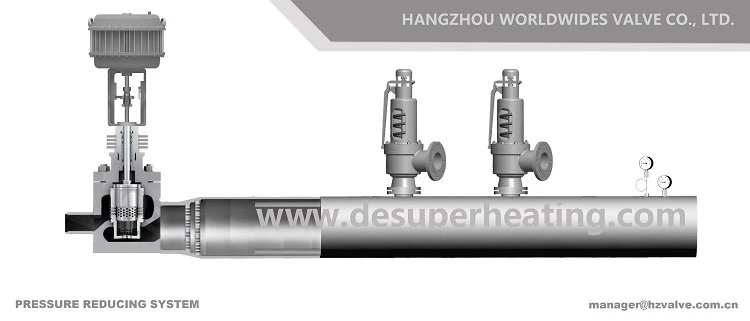
Before delving into the selection process, it's essential to understand what a pressure reducing system is and how it works. A pressure reducing system is designed to reduce the pressure of a fluid (such as water, steam, or gas) from a higher level to a lower, more manageable level. This is crucial in commercial buildings where different parts of the system may require different pressure levels.
There are several types of pressure reducing systems available, each with its own unique features and applications. For example, High Pressure Steam Regulator is specifically designed to regulate the pressure of high-pressure steam, ensuring a stable and safe supply to various equipment in the building. Similarly, Steam Pressure Regulating Valve is used to control the pressure of steam in a system, preventing overpressure and ensuring efficient operation.
Key Factors to Consider When Selecting a Pressure Reducing System
1. Building Requirements
The first step in selecting a pressure reducing system is to understand the specific requirements of the commercial building. This includes the type of fluid (water, steam, or gas), the required pressure levels at different points in the system, and the flow rate. For example, a large commercial building with multiple floors and different types of equipment may require a more sophisticated pressure reducing system compared to a smaller building.
2. System Capacity
The capacity of the pressure reducing system is another important factor to consider. It should be able to handle the maximum flow rate and pressure requirements of the building without causing any pressure drops or fluctuations. This requires a detailed analysis of the building's peak demand and a careful selection of the appropriate system size.
3. Pressure Regulation Accuracy
Accurate pressure regulation is crucial for the proper functioning of the building's equipment and systems. A high-quality pressure reducing system should be able to maintain a stable pressure within a narrow range, regardless of changes in the inlet pressure or flow rate. This ensures the efficient operation of equipment such as boilers, chillers, and air compressors.
4. Reliability and Durability
Commercial buildings operate 24/7, and any downtime due to a malfunctioning pressure reducing system can be costly. Therefore, it's important to choose a system that is reliable and durable. Look for systems that are made from high-quality materials and have a proven track record of performance. Additionally, consider the availability of spare parts and technical support to minimize downtime in case of a breakdown.
5. Energy Efficiency
Energy efficiency is a major concern for commercial building owners. A well-designed pressure reducing system can help reduce energy consumption by optimizing the pressure levels in the system. This not only saves money on energy bills but also reduces the building's environmental impact. Look for systems that are designed to minimize pressure losses and use energy-efficient components.
6. Cost
Cost is always a consideration when selecting a pressure reducing system. However, it's important to look beyond the initial purchase price and consider the total cost of ownership over the system's lifespan. This includes the cost of installation, maintenance, and energy consumption. A high-quality system may have a higher upfront cost but can save money in the long run by reducing energy consumption and maintenance costs.
Evaluating Different Pressure Reducing Systems
Once you have identified the key factors to consider, the next step is to evaluate different pressure reducing systems. Here are some steps to help you make an informed decision:
1. Research and Compare
Start by researching different pressure reducing system manufacturers and their products. Look for systems that meet your building's requirements and have a good reputation in the industry. Compare the features, performance, and cost of different systems to find the one that offers the best value for money.
2. Request Quotes and Samples
Contact the manufacturers or suppliers of the shortlisted systems and request quotes and samples. This will give you a better idea of the cost and quality of the systems. You can also ask for references from other commercial building owners who have installed the same system to get their feedback on its performance.
3. Consult with Experts
If you're not sure which pressure reducing system is right for your building, consider consulting with a professional engineer or a pressure reducing system expert. They can help you analyze your building's requirements, evaluate different systems, and make a recommendation based on your specific needs.
4. Consider Customization
In some cases, off-the-shelf pressure reducing systems may not meet all of your building's requirements. In such situations, consider working with a manufacturer who can customize a system to fit your specific needs. This may involve modifying the system's design, adding additional features, or integrating it with other building systems.
Installation and Maintenance
Once you have selected the right pressure reducing system for your commercial building, it's important to ensure proper installation and maintenance. Here are some tips to help you with this process:
1. Professional Installation
Pressure reducing systems should be installed by a qualified and experienced professional. This ensures that the system is installed correctly and in accordance with the manufacturer's specifications. Improper installation can lead to pressure drops, leaks, and other problems that can affect the system's performance and lifespan.
2. Regular Maintenance
Regular maintenance is essential to keep the pressure reducing system in good working condition. This includes inspecting the system for leaks, checking the pressure settings, and replacing any worn-out components. Follow the manufacturer's recommended maintenance schedule and keep a record of all maintenance activities.
3. Training and Education
Make sure that the building's maintenance staff is properly trained on how to operate and maintain the pressure reducing system. This includes understanding the system's components, how to perform basic maintenance tasks, and how to troubleshoot common problems. Providing ongoing training and education can help ensure the long-term reliability and performance of the system.
Conclusion
Selecting a pressure reducing system for a commercial building is a complex process that requires careful consideration of several factors. By understanding the building's requirements, evaluating different systems, and ensuring proper installation and maintenance, you can choose a system that meets your needs and provides reliable, efficient performance for years to come.

If you're in the process of selecting a pressure reducing system for your commercial building, I encourage you to contact us. As a leading pressure reducing system supplier, we have a wide range of products to choose from and a team of experts who can help you find the right solution for your specific needs. We offer high-quality products, competitive pricing, and excellent customer service. Contact us today to start the conversation and take the first step towards a more efficient and reliable pressure reducing system for your building.
References
- ASHRAE Handbook - HVAC Systems and Equipment
- International Plumbing Code (IPC)
- National Fire Protection Association (NFPA) Standards



