

Hey there! As a supplier of industry control valves, I've seen firsthand how a high leakage rate can be a real headache for businesses. It not only leads to wasted resources but can also cause safety hazards and affect the overall efficiency of industrial processes. So, in this blog post, I'm gonna share some practical tips on how to reduce the leakage rate of an industry control valve.
Understanding the Causes of Valve Leakage
Before we dive into the solutions, it's important to understand what causes valve leakage in the first place. There are several factors that can contribute to this problem:
- Wear and Tear: Over time, the internal components of a control valve can wear out due to continuous use, friction, and exposure to harsh chemicals or high temperatures. This can lead to gaps or cracks in the valve seats or seals, allowing fluid or gas to leak through.
- Improper Installation: If a control valve is not installed correctly, it may not function properly, leading to leakage. This can include issues such as incorrect alignment, improper tightening of bolts, or using the wrong type of gaskets.
- Corrosion and Erosion: Exposure to corrosive substances or high-velocity fluids can cause the valve materials to corrode or erode, weakening the valve structure and leading to leakage.
- High Pressure and Temperature: Operating a control valve under extreme pressure or temperature conditions can put stress on the valve components, causing them to deform or fail, resulting in leakage.
Tips to Reduce Valve Leakage
Now that we know what causes valve leakage, let's look at some ways to reduce it:
1. Choose the Right Valve for the Application
Selecting the appropriate control valve for your specific application is crucial. Consider factors such as the type of fluid or gas being controlled, the operating pressure and temperature, the flow rate, and the required level of precision. Using the wrong valve can lead to premature wear and leakage. For example, if you're dealing with high-pressure steam, you might want to consider a Large Capacity Steam Pressure Reducing Valve that is designed to handle such conditions.
2. Ensure Proper Installation
Proper installation is key to preventing valve leakage. Make sure to follow the manufacturer's installation instructions carefully. This includes ensuring correct alignment, using the right type and size of gaskets, and tightening the bolts to the specified torque. If you're not confident in your installation skills, it's a good idea to hire a professional installer.
3. Regular Maintenance and Inspection
Regular maintenance and inspection are essential for keeping control valves in good working condition. This includes cleaning the valve components, checking for signs of wear and tear, and replacing any damaged parts. You should also perform pressure and leakage tests periodically to ensure the valve is functioning properly. For pneumatic valves, a Pneumatic Pressure Reducing Valve can be used to regulate the pressure and prevent overloading of the valve.
4. Use High-Quality Seals and Gaskets
The quality of the seals and gaskets used in a control valve can have a significant impact on its leakage rate. Invest in high-quality seals and gaskets that are made from materials that are compatible with the fluid or gas being controlled and can withstand the operating conditions. This will help to ensure a tight seal and prevent leakage.
5. Monitor and Control Operating Conditions
Monitoring and controlling the operating conditions of the control valve can help to reduce leakage. This includes maintaining the correct pressure and temperature levels, avoiding sudden changes in flow rate, and preventing the valve from operating outside of its specified range. For example, using a Pneumatic Air Control Valve can help to regulate the flow of air and maintain stable operating conditions.
6. Upgrade Old Valves
If you have old or outdated control valves, consider upgrading them to newer models that are more efficient and have better leakage prevention features. Newer valves often incorporate advanced technologies and materials that can reduce leakage and improve performance.
Conclusion
Reducing the leakage rate of an industry control valve is essential for improving efficiency, reducing waste, and ensuring safety. By choosing the right valve, ensuring proper installation, performing regular maintenance, using high-quality seals and gaskets, monitoring operating conditions, and upgrading old valves, you can significantly reduce the risk of valve leakage.

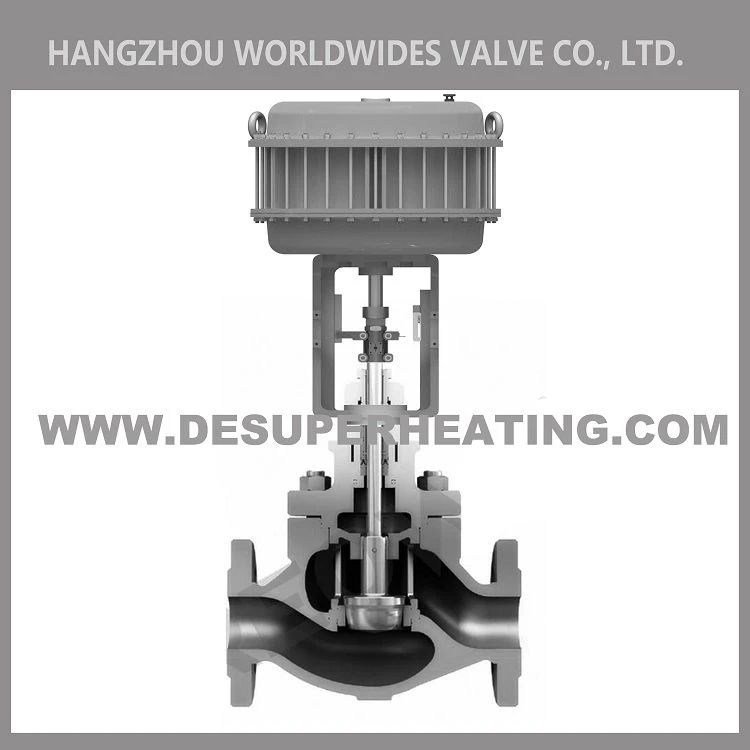
If you're looking for high-quality industry control valves or need more advice on reducing valve leakage, don't hesitate to get in touch with us. We're here to help you find the best solutions for your industrial needs.
References
- "Industrial Valve Handbook" by Valve Manufacturers Association
- "Control Valve Selection and Sizing" by ISA (International Society of Automation)



