

Hey there! I'm a supplier of Motorised Control Valve, and I know firsthand how much of a headache corrosion can be for these valves. Corrosion not only shortens the lifespan of the valve but also affects its performance, which can lead to all sorts of problems in your industrial processes. In this blog, I'm going to share some practical tips on how to protect a motorised control valve from corrosion.
Understanding the Enemy: What Causes Corrosion in Motorised Control Valves?
Before we jump into the solutions, it's important to understand what causes corrosion in the first place. Corrosion is essentially a chemical reaction between the metal in the valve and its environment. Here are some common factors that can trigger this reaction:
- Moisture: Water is one of the main culprits behind corrosion. When moisture comes into contact with the metal surface of the valve, it can form a thin layer of electrolyte, which facilitates the flow of electrons and speeds up the corrosion process.
- Chemicals: Industrial environments are often filled with various chemicals, such as acids, alkalis, and salts. These chemicals can react with the metal in the valve, causing it to corrode.
- Temperature: High temperatures can accelerate the corrosion process by increasing the rate of chemical reactions. In addition, thermal cycling (repeated heating and cooling) can cause stress on the metal, making it more susceptible to corrosion.
- Oxygen: Oxygen is another essential ingredient for corrosion. When oxygen is present in the environment, it can react with the metal to form metal oxides, which gradually eat away at the valve.
Choosing the Right Materials
One of the most effective ways to protect a motorised control valve from corrosion is to choose the right materials in the first place. Different metals have different levels of resistance to corrosion, so it's important to select a material that is suitable for your specific application. Here are some common materials used in motorised control valves and their corrosion resistance properties:

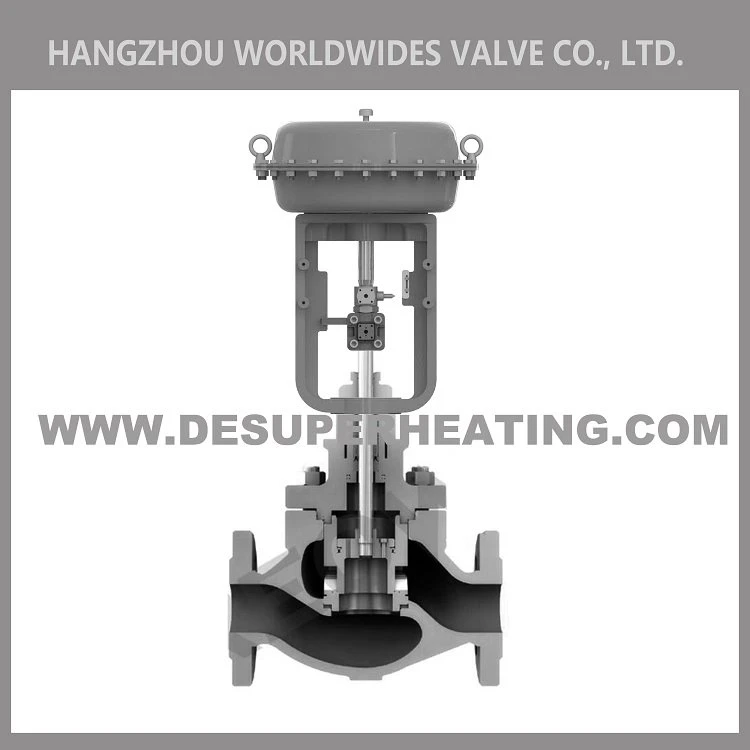
- Stainless Steel: Stainless steel is a popular choice for motorised control valves because of its excellent corrosion resistance. It contains chromium, which forms a thin, protective layer on the surface of the metal, preventing it from rusting. However, not all stainless steels are created equal, so it's important to choose the right grade for your application.
- Brass: Brass is another commonly used material in motorised control valves. It is relatively inexpensive and has good corrosion resistance in many environments. However, it is not suitable for use in applications where it will be exposed to strong acids or alkalis.
- Bronze: Bronze is a copper-based alloy that is known for its excellent corrosion resistance and durability. It is often used in marine applications and other environments where the valve will be exposed to saltwater or other corrosive substances.
- Plastic: Plastic valves are becoming increasingly popular because of their lightweight, corrosion-resistant, and cost-effective properties. They are suitable for use in a wide range of applications, including water treatment, chemical processing, and food and beverage production.
Applying Protective Coatings
In addition to choosing the right materials, applying protective coatings can also help to prevent corrosion in motorised control valves. Protective coatings act as a barrier between the metal surface of the valve and the environment, preventing moisture, chemicals, and oxygen from coming into contact with the metal. Here are some common types of protective coatings used in motorised control valves:
- Epoxy Coatings: Epoxy coatings are a popular choice for motorised control valves because of their excellent adhesion, chemical resistance, and durability. They can be applied to the surface of the valve using a variety of methods, such as spraying, dipping, or brushing.
- Polyurethane Coatings: Polyurethane coatings are another type of protective coating that is commonly used in motorised control valves. They are known for their excellent abrasion resistance, flexibility, and weatherability.
- Zinc Coatings: Zinc coatings, such as galvanizing, are often used to protect steel valves from corrosion. Zinc is a sacrificial metal, which means that it will corrode before the steel, providing a layer of protection for the valve.
- Ceramic Coatings: Ceramic coatings are a relatively new type of protective coating that is gaining popularity in the industrial sector. They are known for their excellent hardness, wear resistance, and chemical resistance.
Proper Installation and Maintenance
Proper installation and maintenance are also crucial for protecting a motorised control valve from corrosion. Here are some tips to keep in mind:
- Follow the Manufacturer's Instructions: When installing a motorised control valve, it's important to follow the manufacturer's instructions carefully. This includes using the correct tools, torquing the bolts to the proper specifications, and ensuring that the valve is properly aligned.
- Keep the Valve Clean: Regularly cleaning the valve can help to prevent the buildup of dirt, debris, and chemicals, which can accelerate the corrosion process. Use a mild detergent and water to clean the valve, and avoid using abrasive cleaners or tools that could damage the surface of the valve.
- Inspect the Valve Regularly: Regular inspections can help to detect signs of corrosion early on, allowing you to take corrective action before the problem becomes serious. Look for signs of rust, pitting, or discoloration on the surface of the valve, and check for any leaks or other issues.
- Lubricate the Valve: Lubricating the valve can help to reduce friction and wear, which can also help to prevent corrosion. Use a high-quality lubricant that is suitable for your specific application, and follow the manufacturer's recommendations for lubrication intervals.
Controlling the Environment
Finally, controlling the environment in which the motorised control valve operates can also help to prevent corrosion. Here are some tips to consider:
- Reduce Moisture: If possible, reduce the amount of moisture in the environment by using dehumidifiers or other moisture control devices. This can help to prevent the formation of condensation on the surface of the valve, which can lead to corrosion.
- Control Chemical Exposure: If the valve is exposed to chemicals, take steps to control the exposure by using proper ventilation, protective equipment, and chemical-resistant coatings. This can help to prevent the chemicals from coming into contact with the metal surface of the valve.
- Monitor Temperature and Humidity: Monitoring the temperature and humidity in the environment can help you to identify potential problems early on. If the temperature or humidity levels are too high, take steps to adjust them to prevent corrosion.
- Use Corrosion Inhibitors: Corrosion inhibitors are chemicals that can be added to the environment to prevent or slow down the corrosion process. They work by forming a protective layer on the surface of the metal, preventing moisture, chemicals, and oxygen from coming into contact with the metal.
Conclusion
Corrosion is a serious problem that can affect the performance and lifespan of motorised control valves. However, by choosing the right materials, applying protective coatings, properly installing and maintaining the valve, and controlling the environment, you can significantly reduce the risk of corrosion and ensure that your valve operates smoothly and efficiently for years to come.
If you're in the market for a high-quality Motorised Control Valve, or if you have any questions about protecting your valve from corrosion, please don't hesitate to contact us. We're here to help you find the right solution for your specific needs.
References
- ASM Handbook, Volume 13A: Corrosion: Fundamentals, Testing, and Protection.
- Corrosion Engineering Handbook, Third Edition, by Pierre R. Roberge.
- Valve Selection Handbook, Third Edition, by Les F. Miller.



