

Hey there! As a supplier of Bellows Safety Valves, I often get asked about how to evaluate the dynamic performance of these valves. It's a crucial aspect, especially when it comes to ensuring the safety and efficiency of various industrial systems. In this blog, I'll share some insights on this topic based on my experience in the field.
First off, let's understand what we mean by the dynamic performance of a Bellows Safety Valve. Dynamic performance refers to how well the valve responds to changes in pressure and flow conditions in real - time. This includes factors like how quickly it opens and closes, how stable it is during operation, and how accurately it maintains the set pressure.
1. Opening and Closing Time
One of the key indicators of a valve's dynamic performance is its opening and closing time. When the pressure in a system reaches the set pressure of the Bellows Safety Valve, it should open as quickly as possible to relieve the excess pressure. A slow - opening valve can lead to a dangerous build - up of pressure, which can cause equipment damage or even pose a safety risk to personnel.
To measure the opening time, we typically use specialized test equipment. We apply a sudden increase in pressure to the valve and record the time it takes for the valve to fully open. The same goes for the closing time. After the pressure has been relieved, the valve should close promptly to prevent further loss of fluid or gas. A valve that closes too slowly can result in unnecessary product loss and increased operating costs.
2. Stability During Operation
Another important factor is the stability of the valve during operation. A stable valve will maintain a consistent flow rate and pressure during the relief process. Unstable valves can cause fluctuations in pressure, which can be harmful to the connected equipment.
There are a few things that can affect the stability of a Bellows Safety Valve. The design of the valve itself plays a big role. A well - designed valve will have a balanced internal structure that allows for smooth flow of fluid or gas. The quality of the materials used also matters. High - quality materials are less likely to deform or wear out, which can lead to instability.
We can evaluate the stability of a valve by conducting flow tests. We measure the pressure and flow rate at different points during the relief process and look for any significant fluctuations. If we notice any instability, we may need to adjust the valve's design or replace worn - out components.
3. Set Pressure Accuracy
The set pressure of a Bellows Safety Valve is the pressure at which the valve is designed to open. It's crucial that the valve opens at the correct set pressure to ensure proper protection of the system. A valve that opens too early or too late can cause problems.
To check the set pressure accuracy, we use calibration equipment. We gradually increase the pressure on the valve and note the pressure at which it opens. We then compare this value with the set pressure. If there is a significant difference, we can adjust the valve's spring or other components to correct the set pressure.
4. Seat Leakage
Seat leakage is another aspect of dynamic performance that we need to consider. A valve with a high level of seat leakage can cause a continuous loss of fluid or gas, even when the valve is supposed to be closed. This not only leads to product loss but can also be a safety hazard in some cases.
We can detect seat leakage by conducting a seat tightness test. We apply a pressure below the set pressure to the valve and check for any signs of leakage. If we find any leakage, we may need to replace the valve's seat or perform other maintenance tasks to improve the seal.
5. Response to Transient Conditions
In real - world applications, Bellows Safety Valves often need to respond to transient conditions, such as sudden pressure spikes or changes in flow rate. A good valve should be able to handle these transient conditions without malfunctioning.
To evaluate the valve's response to transient conditions, we simulate these conditions in a test environment. We apply sudden changes in pressure or flow rate to the valve and observe how it responds. A valve that can quickly adapt to these changes and maintain its performance is considered to have good dynamic performance.
6. Comparing with Other Safety Valves
It's also a good idea to compare the dynamic performance of Bellows Safety Valves with other types of safety valves, such as Heater Safety Valve and Pressure Safety Valve. Each type of valve has its own advantages and disadvantages when it comes to dynamic performance.
For example, Bellows Safety Valves are often preferred in applications where there is a risk of corrosion or where a tight seal is required. Heater Safety Valves, on the other hand, are designed specifically for use in heating systems and may have different performance characteristics. Pressure Safety Valves are more general - purpose and can be used in a wide range of applications.
By comparing different types of valves, we can better understand the unique features of Bellows Safety Valves and determine if they are the best choice for a particular application.
7. Fatigue Resistance
Bellows Safety Valves are often subjected to repeated cycles of opening and closing. Over time, this can cause fatigue in the valve components, especially the bellows. Fatigue can lead to cracks or other forms of damage, which can affect the valve's performance and safety.
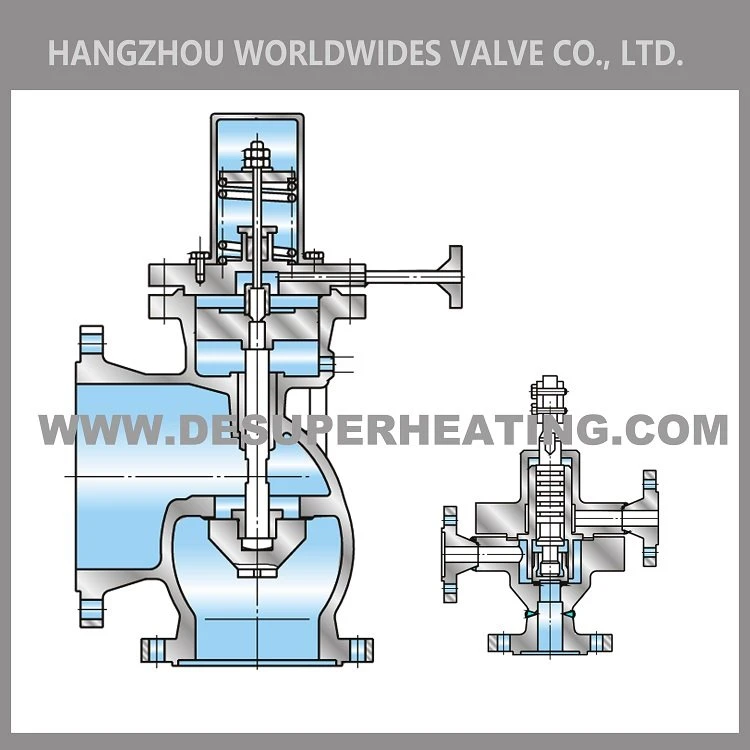

To evaluate the fatigue resistance of a valve, we conduct cyclic tests. We subject the valve to a large number of opening and closing cycles and monitor its performance over time. We look for any signs of fatigue, such as cracks or deformation in the bellows. If we detect any fatigue, we may need to replace the bellows or use a different type of material.
8. Flow Capacity
The flow capacity of a Bellows Safety Valve is the maximum amount of fluid or gas that the valve can handle during the relief process. It's important to choose a valve with the right flow capacity for the application. A valve with a too - low flow capacity may not be able to relieve the excess pressure quickly enough, while a valve with a too - high flow capacity can be more expensive and may not fit properly in the system.
We can calculate the flow capacity of a valve using theoretical formulas and then verify it through testing. We measure the flow rate at different pressure differentials and compare the results with the calculated values.
In conclusion, evaluating the dynamic performance of a Bellows Safety Valve is a complex but essential task. By considering factors like opening and closing time, stability, set pressure accuracy, seat leakage, response to transient conditions, fatigue resistance, and flow capacity, we can ensure that the valve will perform reliably in real - world applications.
If you're in the market for a Bellows Safety Valve or have any questions about evaluating their dynamic performance, feel free to reach out to us. We're here to help you make the right choice for your industrial needs.
References
- "Valve Handbook", by J. A. Zielinski
- "Pressure Relief Valve Technology", by API Standards



