

Hey there! As a supplier of Bellows Safety Valves, I've been in the game for quite a while, and I know how crucial it is to ensure the reseating performance of these valves. In this blog, I'll share some tips and insights on how to make sure your Bellows Safety Valve works as it should every time.
First off, let's understand what reseating performance means. When a safety valve opens to relieve excess pressure, it needs to close properly and tightly once the pressure drops back to a safe level. This is called reseating. A valve that doesn't reseat correctly can lead to all sorts of problems, like leaks, which can be dangerous and costly.
1. Proper Installation
The first step in ensuring good reseating performance is proper installation. You wouldn't believe how many issues can be traced back to a valve that wasn't installed correctly. Make sure to follow the manufacturer's instructions carefully. This includes things like getting the right orientation of the valve. Some valves are designed to work in a specific position, and installing them the wrong way can mess up their performance.
Also, pay attention to the piping. The piping connected to the valve should be properly supported and aligned. If the piping is putting stress on the valve, it can prevent it from closing properly. And don't forget about the gaskets. Using the right gasket material and making sure it's installed correctly is key to preventing leaks around the valve.
2. Regular Maintenance
Regular maintenance is a must for any safety valve, and Bellows Safety Valves are no exception. Over time, dirt, debris, and corrosion can build up inside the valve, which can affect its reseating ability. So, you need to clean the valve regularly. This might involve disassembling the valve (if it's designed for that) and using the right cleaning agents to remove any buildup.
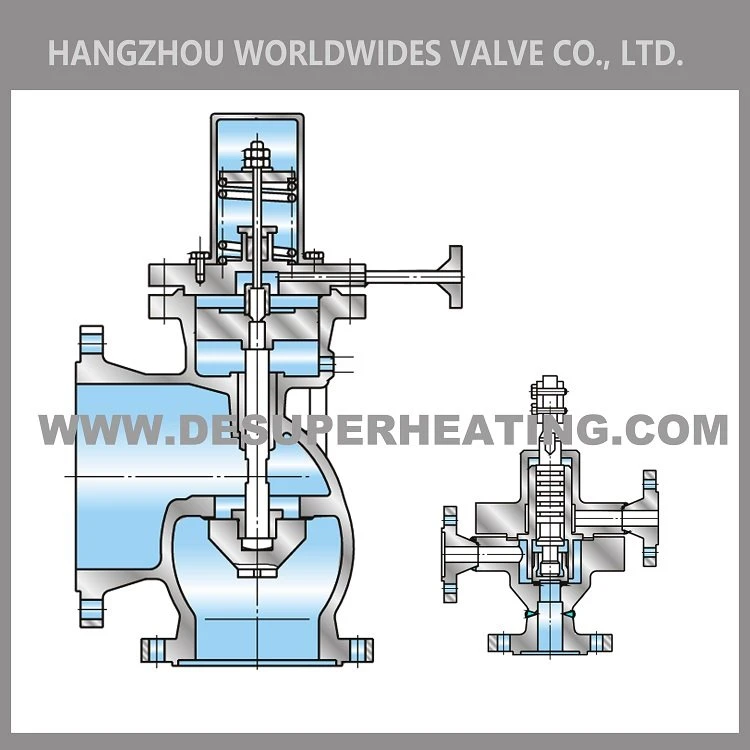

Inspect the valve components for wear and tear. The bellows, which is a key part of these valves, can get damaged over time. Look for any signs of cracks or leaks in the bellows. If you find any issues, replace the damaged parts right away. You should also check the spring. The spring is what helps the valve close, and if it's weak or damaged, the valve might not reseat properly.
3. Correct Sizing
Getting the right size of the Bellows Safety Valve is super important. If the valve is too small, it won't be able to relieve the pressure fast enough, and it might stay open longer than it should. On the other hand, if it's too big, it might not close properly because it might not get enough pressure to keep it shut.
To determine the right size, you need to consider factors like the maximum pressure the system can reach, the flow rate, and the type of fluid or gas in the system. You can use sizing charts or consult with an engineer to make sure you're getting the right valve for your application.
4. Quality of Materials
The quality of the materials used in the Bellows Safety Valve can have a big impact on its reseating performance. High - quality materials are more resistant to corrosion, wear, and tear. For example, a valve made with a good quality stainless steel will last longer and perform better than one made with a cheaper, lower - quality material.
When you're choosing a Bellows Safety Valve, look for valves that are made by reputable manufacturers. They usually use better materials and have stricter quality control processes. You can also ask for material certifications to make sure you're getting what you pay for.
5. Testing and Calibration
Testing and calibration are essential steps in ensuring the reseating performance of a Bellows Safety Valve. Before installing a new valve, it should be tested to make sure it opens and closes at the right pressure. This can be done using a test bench. The valve should be tested multiple times to ensure its consistency.
Even after installation, regular calibration is necessary. Over time, the valve's performance can change due to factors like temperature, pressure fluctuations, and normal wear and tear. Calibration involves adjusting the valve so that it opens and closes at the correct pressure. This can be a bit technical, so it's often best to have it done by a professional.
6. Operating Conditions
The operating conditions of the system where the Bellows Safety Valve is installed can also affect its reseating performance. For example, if the system operates at very high temperatures, the materials in the valve can expand, which might affect the valve's ability to close properly. In such cases, you might need to choose a valve that is designed to handle high - temperature applications.
Similarly, if the system has a lot of vibration, it can cause the valve to open or close unexpectedly. You might need to use vibration - dampening devices or install the valve in a location where it's less likely to be affected by vibration.
7. Training for Operators
If you have operators working with the system that has the Bellows Safety Valve, they should be properly trained. They need to understand how the valve works, what to look for in terms of normal and abnormal operation, and how to respond in case of an emergency.
A well - trained operator can spot early signs of problems with the valve's reseating performance and take appropriate action. This could involve things like reporting a potential issue to maintenance personnel or performing basic checks as part of their regular routine.
In conclusion, ensuring the reseating performance of a Bellows Safety Valve requires a combination of proper installation, regular maintenance, correct sizing, using high - quality materials, testing and calibration, considering operating conditions, and training operators. By following these steps, you can make sure your Bellows Safety Valve works reliably and safely.
If you're in the market for a Bellows Safety Valve, we've got you covered. Our Bellows Safety Valve is designed with high - quality materials and undergoes strict quality control to ensure excellent reseating performance. We also offer other types of safety valves, such as Heater Safety Valve and Safety Valve For Solar Water Heater. If you're interested in learning more or making a purchase, feel free to reach out for a procurement discussion.
References
- "Safety Valve Handbook" by ASME (American Society of Mechanical Engineers)
- Manufacturer's manuals for Bellows Safety Valves
- Industry standards and guidelines for safety valve installation and maintenance



