

In the industrial landscape, steam desuperheaters play a crucial role in maintaining optimal operating conditions for various processes. As a supplier of Steam Desuperheater, I understand the significance of being able to compare different steam desuperheater products effectively. This blog aims to provide a comprehensive guide on how to make informed comparisons when selecting the right steam desuperheater for your specific needs.
Understanding the Basics of Steam Desuperheaters
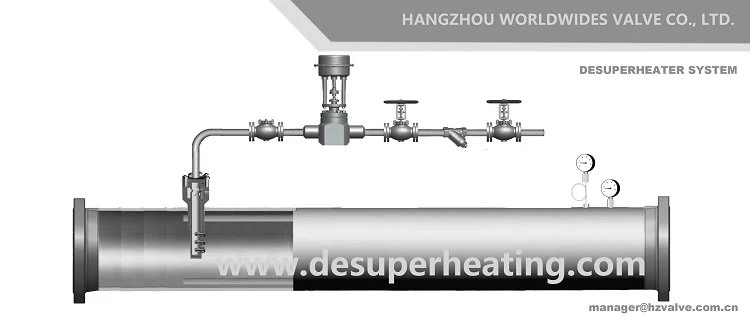
Before delving into the comparison process, it is essential to have a clear understanding of what a steam desuperheater is and how it works. A Desuperheater is a device used to reduce the temperature of superheated steam to a desired level by injecting a controlled amount of cooling water into the steam flow. This process is crucial in many industrial applications where precise steam temperature control is required to ensure the efficient and safe operation of equipment.
There are several types of steam desuperheaters available on the market, each with its own unique design and operating principles. The most common types include direct contact desuperheaters, spray-type desuperheaters, and surface-type desuperheaters. The choice of desuperheater type depends on various factors, such as the application requirements, steam flow rate, temperature reduction range, and budget.
Key Factors to Consider When Comparing Steam Desuperheater Products
1. Performance Efficiency
One of the primary factors to consider when comparing steam desuperheater products is their performance efficiency. A highly efficient desuperheater can provide accurate and consistent temperature control, ensuring that the steam temperature is maintained within the desired range. This not only improves the overall efficiency of the process but also helps to prevent damage to equipment and reduce energy consumption.
To evaluate the performance efficiency of a steam desuperheater, you should consider factors such as the temperature reduction capacity, the response time to changes in steam flow or temperature, and the turndown ratio. The temperature reduction capacity refers to the maximum amount of temperature reduction that the desuperheater can achieve, while the response time indicates how quickly the desuperheater can adjust to changes in the operating conditions. The turndown ratio is the ratio of the maximum to the minimum steam flow rate at which the desuperheater can operate effectively.

2. Design and Construction
The design and construction of a steam desuperheater can significantly impact its performance, reliability, and durability. When comparing different products, you should pay attention to the materials used in the construction, the design features, and the manufacturing quality.
High-quality materials, such as stainless steel or alloy steel, are commonly used in the construction of steam desuperheaters to ensure corrosion resistance and durability. The design features, such as the nozzle design, the mixing chamber configuration, and the water injection system, can also affect the performance of the desuperheater. A well-designed desuperheater should have a uniform water distribution and a efficient mixing process to ensure complete evaporation of the cooling water and accurate temperature control.
3. Maintenance and Operating Costs
In addition to the initial purchase cost, it is important to consider the maintenance and operating costs of a steam desuperheater over its lifetime. A desuperheater that requires frequent maintenance or has high operating costs can significantly increase the total cost of ownership.
When comparing different products, you should consider factors such as the ease of maintenance, the frequency of maintenance required, and the cost of replacement parts. A desuperheater with a simple design and easy access to components can be more convenient and cost-effective to maintain. Additionally, products with a longer service life and lower energy consumption can help to reduce the operating costs over time.
4. Compatibility with Existing Systems
Another important factor to consider when comparing steam desuperheater products is their compatibility with your existing systems. The desuperheater should be able to integrate seamlessly with your steam generation equipment, control systems, and other process components.
Before making a purchase, you should consult with a qualified engineer or a Desuperheater In Boiler specialist to ensure that the selected desuperheater is compatible with your specific application requirements. They can help you to determine the appropriate size, type, and configuration of the desuperheater based on your steam flow rate, pressure, temperature, and other operating conditions.
5. Supplier Reputation and Support
The reputation and support of the supplier are also important considerations when comparing steam desuperheater products. A reputable supplier with a proven track record of providing high-quality products and excellent customer service can give you confidence in your purchase.
When evaluating a supplier, you should consider factors such as their industry experience, the quality of their products, their technical support capabilities, and their after-sales service. A supplier that offers comprehensive technical support, training, and maintenance services can help you to ensure the proper installation, operation, and maintenance of your steam desuperheater.
Comparing Different Steam Desuperheater Products
Once you have identified the key factors to consider, you can start comparing different steam desuperheater products based on these criteria. Here are some steps to help you through the comparison process:
Step 1: Research and Shortlist
Start by researching different steam desuperheater products available on the market. You can use online resources, industry publications, and customer reviews to gather information about the different products and their features. Based on your research, shortlist the products that meet your specific requirements and budget.
Step 2: Request Product Information and Quotes
Contact the suppliers of the shortlisted products and request detailed product information, including specifications, performance data, and pricing. Make sure to provide them with accurate information about your application requirements, such as the steam flow rate, pressure, temperature, and desired temperature reduction range.
Step 3: Compare Product Features and Performance
Once you have received the product information and quotes from the suppliers, compare the features and performance of the different products. Pay close attention to the key factors discussed above, such as performance efficiency, design and construction, maintenance and operating costs, compatibility with existing systems, and supplier reputation and support.
Step 4: Consider Customer Reviews and Testimonials
In addition to the product information provided by the suppliers, it is also a good idea to consider customer reviews and testimonials. You can find customer reviews online or ask the suppliers for references. Reading about the experiences of other customers can give you valuable insights into the performance, reliability, and customer service of the different products and suppliers.
Step 5: Make a Decision
Based on your comparison of the different products and suppliers, make an informed decision about which steam desuperheater is the best fit for your needs. Consider not only the initial purchase cost but also the long-term performance, reliability, and cost of ownership.
Conclusion
Comparing different steam desuperheater products can be a complex process, but by considering the key factors discussed in this blog, you can make an informed decision and select the right desuperheater for your specific needs. As a Steam Desuperheater supplier, we are committed to providing high-quality products and excellent customer service. If you have any questions or need further assistance in selecting a steam desuperheater, please do not hesitate to contact us. We look forward to the opportunity to discuss your requirements and help you find the best solution for your application.
References
- ASME Boiler and Pressure Vessel Code
- API Standards for Refinery Equipment
- Manufacturer's Product Literature and Technical Data Sheets



