

Adjusting the opening degree of a water pipe gate valve is a fundamental yet crucial task in various water - related systems. Whether it's for residential plumbing, industrial applications, or municipal water supply projects, precise control of the valve's opening can significantly influence system performance, water flow rates, and pressure levels. As a trusted water pipe gate valve supplier, we're here to provide you with a comprehensive guide on how to effectively adjust these valves.
Understanding the Basics of Water Pipe Gate Valves
Before delving into the adjustment process, it's essential to have a clear understanding of what a water pipe gate valve is and how it functions. A gate valve is a linear - motion valve that uses a flat gate or wedge to block or allow the flow of water through a pipe. When the valve is fully open, the gate is lifted out of the flow path, offering minimal resistance to the water. Conversely, when it's fully closed, the gate completely blocks the flow.
We offer a wide range of water pipe gate valves to meet diverse customer needs. Some of our popular products include the Handle Wheel Manual Gate Valve, which is easy to operate manually and suitable for small - scale applications; the API 600 Flanged Industrial Gate Valve, designed for high - pressure and large - diameter industrial pipelines; and the High Temperature High Pressure Gate Valve, engineered to withstand extreme operating conditions.
Tools Required for Adjustment
Adjusting a water pipe gate valve typically doesn't require a large number of specialized tools. However, having the right equipment on hand can make the process smoother and more efficient. Here are some common tools you might need:
- Adjustable Wrench: This is used to loosen or tighten nuts and bolts around the valve stem. It's essential for accessing and adjusting the valve mechanism.
- Pipe Wrench: In cases where the valve is connected to larger pipes, a pipe wrench may be needed to ensure a secure grip and prevent the pipes from moving during adjustment.
- Lubricant: Applying a suitable lubricant to the valve stem can reduce friction, making it easier to turn the valve and preventing wear and tear over time.
Step - by - Step Guide to Adjusting the Opening Degree
Step 1: Safety First
Before you start any adjustment work, always prioritize safety. Make sure the water supply to the valve is shut off. This will prevent any unexpected water flow, which could lead to water damage or injury. If the valve is part of an industrial system, follow all relevant safety protocols, such as wearing protective gear and obtaining proper authorization.
Step 2: Locate the Valve
Identify the exact location of the gate valve in the water pipe system. Gate valves are usually installed in a straight section of the pipe, and they often have a visible handle or wheel on top. Once you've located the valve, visually inspect it for any signs of damage, such as leaks or corrosion.
Step 3: Check the Valve Status
Before making any adjustments, determine whether the valve is currently in an open, closed, or partially open position. Most gate valves have a visual indicator or a position marker on the valve stem. In some cases, you can also feel the resistance when you try to turn the valve handle. If the valve is too tight or difficult to turn, it may be stuck, and you may need to lubricate the stem before proceeding.
Step 4: Adjust the Valve
- Manual Gate Valves: For manual gate valves with a handle or wheel, simply turn the handle in the appropriate direction to adjust the opening degree. Typically, turning the handle clockwise closes the valve, while turning it counter - clockwise opens it. Start by making small adjustments and monitoring the water flow or pressure changes in the system. You can use a flow meter or pressure gauge to accurately measure these parameters.
- Actuator - Controlled Gate Valves: In industrial settings, many gate valves are controlled by actuators, such as electric, pneumatic, or hydraulic actuators. These actuators are usually connected to a control system that allows for precise adjustment of the valve opening degree. To adjust an actuator - controlled valve, you need to follow the instructions provided by the actuator manufacturer. This may involve using a control panel, programming a specific opening percentage, or sending signals to the actuator.
Step 5: Fine - Tuning
After making the initial adjustment, fine - tune the valve opening to achieve the desired flow rate or pressure. This may require making multiple small adjustments and constantly monitoring the system. Keep in mind that the relationship between the valve opening and the flow rate is not always linear, especially in complex pipe systems. Therefore, it's important to make gradual adjustments and observe the system's response carefully.
Step 6: Secure the Valve
Once you've achieved the desired opening degree, make sure the valve is securely locked in place. For manual valves, ensure that the handle is tightened properly. For actuator - controlled valves, verify that the control settings are stable and that the actuator is holding the valve in the correct position.
Troubleshooting Common Issues
During the adjustment process, you may encounter some common issues. Here are some solutions:
- Valve Sticking: If the valve is difficult to turn, it may be due to lack of lubrication or the presence of debris. Apply a suitable lubricant to the valve stem and try to turn the valve gently. If there is debris, you may need to disassemble the valve and clean it.
- Leaks: A leaking valve can be a serious problem. Check the valve packing and the sealing surfaces for any signs of damage. Tighten the packing nuts carefully or replace the packing if necessary. If the problem persists, it may be due to a damaged valve seat, and you may need to replace the valve.
- Inconsistent Flow: If you notice inconsistent water flow after adjusting the valve, it could be due to incorrect valve sizing, pipe blockages, or uneven pressure distribution in the system. Check the pipe for any obstructions and ensure that the valve is the correct size for the application.
Contact Us for Valve Purchase and Consultation
As a leading water pipe gate valve supplier, we are committed to providing high - quality valves and professional technical support. Our valves are manufactured using advanced technology and high - quality materials to ensure reliable performance and long service life. Whether you're in the market for a small - scale residential valve or a large - scale industrial valve, we have the right product for you.
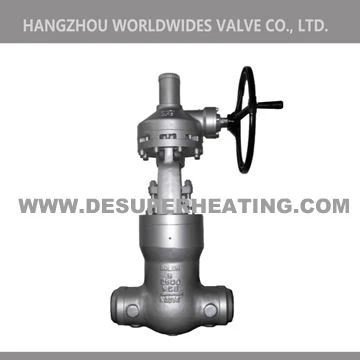

If you have any questions about our water pipe gate valves, need help with valve selection, or want to discuss a potential purchase, please don't hesitate to contact us. Our experienced sales team will be more than happy to assist you and provide you with detailed product information and competitive pricing. Let's work together to ensure the efficient and reliable operation of your water pipe systems.
References
- Crane Co., "Flow of Fluids Through Valves, Fittings, and Pipe", Technical Paper No. 410.
- American Water Works Association, "AWWA Manual M23: Gate Valves and Check Valves".
- Valve Manufacturers Association of America, "Valve Handbook".



