

Industrial safety valves are critical components in various industrial processes, serving as the last line of defense against overpressure situations that could lead to catastrophic failures, injuries, and environmental disasters. As an industrial safety valve supplier, I often receive inquiries from customers about how often these essential devices should be maintained. In this blog post, I will delve into the factors that influence the maintenance frequency of industrial safety valves and provide some general guidelines to help you ensure the reliable operation of your safety valve systems.

Understanding the Importance of Regular Maintenance
Before discussing the maintenance frequency, it's crucial to understand why regular maintenance of industrial safety valves is so important. Safety valves are designed to open automatically when the pressure in a system exceeds a predetermined set point, releasing excess pressure and preventing equipment damage or rupture. However, over time, these valves can experience wear, corrosion, and other forms of degradation that can affect their performance.
Regular maintenance helps to:
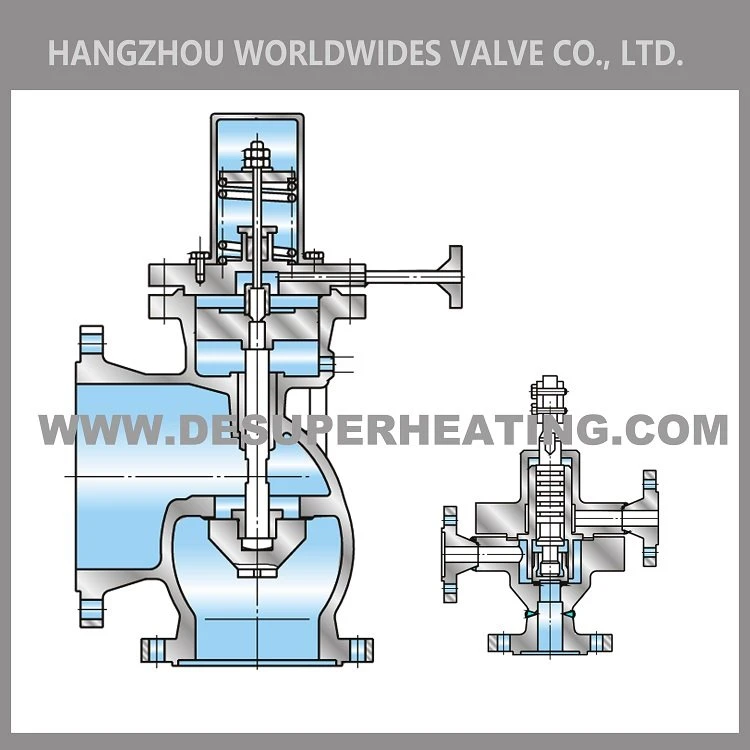
- Ensure proper operation: By inspecting, testing, and servicing safety valves at regular intervals, you can ensure that they will function correctly when needed. This includes verifying the set pressure, checking for leaks, and ensuring that the valve opens and closes smoothly.
- Comply with regulations: Many industries are subject to strict regulations regarding the maintenance and testing of safety valves. Regular maintenance helps you to meet these requirements and avoid potential fines or legal issues.
- Extend the lifespan of the valve: Proper maintenance can help to prevent premature wear and damage to the valve, extending its lifespan and reducing the need for costly replacements.
- Enhance safety: Ultimately, the goal of maintaining safety valves is to protect personnel, equipment, and the environment. By ensuring that these valves are in good working condition, you can minimize the risk of accidents and ensure the safe operation of your industrial processes.
Factors Influencing Maintenance Frequency
The maintenance frequency of industrial safety valves can vary depending on several factors, including:
- Type of valve: Different types of safety valves, such as Co2 Pressure Relief Valve, Compressor Safety Valve, and Heater Safety Valve, may have different maintenance requirements. For example, valves used in high-pressure or high-temperature applications may require more frequent maintenance than those used in low-pressure or low-temperature environments.
- Operating conditions: The operating conditions of the system in which the safety valve is installed can also affect its maintenance frequency. Valves exposed to harsh chemicals, abrasive materials, or extreme temperatures may require more frequent maintenance to prevent corrosion, erosion, or other forms of damage.
- Industry standards and regulations: As mentioned earlier, many industries have specific regulations regarding the maintenance and testing of safety valves. These regulations may specify the minimum frequency at which valves should be inspected, tested, and maintained. It's important to familiarize yourself with these requirements and ensure that your maintenance schedule complies with them.
- Manufacturer's recommendations: The manufacturer of the safety valve will typically provide recommendations for its maintenance frequency. These recommendations are based on the design and construction of the valve, as well as the expected operating conditions. It's important to follow these recommendations to ensure the proper functioning of the valve and to maintain its warranty.
General Maintenance Guidelines
While the specific maintenance frequency of industrial safety valves will depend on the factors mentioned above, the following general guidelines can help you develop a maintenance schedule for your safety valve systems:
- Visual inspections: Conduct visual inspections of the safety valve at regular intervals, such as monthly or quarterly, to check for signs of damage, corrosion, or leaks. Look for any visible cracks, dents, or other signs of wear on the valve body, bonnet, and trim. Check the valve's nameplate to ensure that the set pressure and other specifications are correct.
- Functional testing: Perform functional testing of the safety valve at least annually, or more frequently if required by industry standards or regulations. Functional testing involves applying pressure to the valve to verify that it opens and closes at the correct set pressure. This can be done using a test bench or by simulating an overpressure situation in the system.
- Internal inspection and servicing: Conduct an internal inspection and servicing of the safety valve at least once every three to five years, or more frequently if the valve is exposed to harsh operating conditions. Internal inspection involves disassembling the valve to inspect the internal components, such as the disc, seat, spring, and guide, for signs of wear, corrosion, or damage. Replace any worn or damaged components as needed.
- Calibration: Calibrate the safety valve at least once every two to three years, or more frequently if required by industry standards or regulations. Calibration involves adjusting the valve's set pressure to ensure that it opens and closes at the correct pressure. This can be done using a calibrated pressure gauge and a set of weights or a hydraulic test bench.
Developing a Customized Maintenance Schedule
To determine the optimal maintenance frequency for your industrial safety valves, it's important to develop a customized maintenance schedule based on the specific requirements of your system. Here are some steps you can take to develop a customized maintenance schedule:
- Conduct a risk assessment: Identify the potential risks associated with the use of safety valves in your system, such as the likelihood of overpressure situations, the consequences of valve failure, and the operating conditions of the system. This will help you to prioritize your maintenance efforts and determine the appropriate maintenance frequency for each valve.
- Review industry standards and regulations: Familiarize yourself with the relevant industry standards and regulations regarding the maintenance and testing of safety valves. These standards and regulations may provide specific guidelines on the maintenance frequency, inspection procedures, and testing requirements for different types of safety valves.
- Consult with the valve manufacturer: Contact the manufacturer of the safety valve to obtain their recommendations for the maintenance frequency and procedures. The manufacturer may have specific guidelines based on the design and construction of the valve, as well as the expected operating conditions.
- Monitor valve performance: Keep a record of the performance of your safety valves, including the results of visual inspections, functional tests, and internal inspections. This will help you to identify any trends or patterns in valve performance and make adjustments to your maintenance schedule as needed.
Conclusion
In conclusion, the maintenance frequency of industrial safety valves is an important consideration for ensuring the reliable operation of your industrial processes. By understanding the factors that influence maintenance frequency and following the general guidelines outlined in this blog post, you can develop a customized maintenance schedule that meets the specific needs of your system. Remember, regular maintenance of safety valves is not only essential for compliance with regulations but also for protecting personnel, equipment, and the environment.
If you have any questions or need further information about the maintenance of industrial safety valves, please do not hesitate to contact us. We are a leading supplier of industrial safety valves and can provide you with the expertise and support you need to ensure the safe and reliable operation of your systems. Whether you are in the market for a Co2 Pressure Relief Valve, a Compressor Safety Valve, or a Heater Safety Valve, we can help you find the right solution for your application. Contact us today to discuss your requirements and explore how we can assist you in maintaining the highest standards of safety in your industrial operations.
References
- American Society of Mechanical Engineers (ASME). Boiler and Pressure Vessel Code.
- National Fire Protection Association (NFPA). Codes and Standards.
- International Organization for Standardization (ISO). Standards for industrial valves.



