

Hey there! I'm a supplier of industrial safety valves, and today I wanna chat about how fluid viscosity can have a big impact on the performance of these crucial valves.
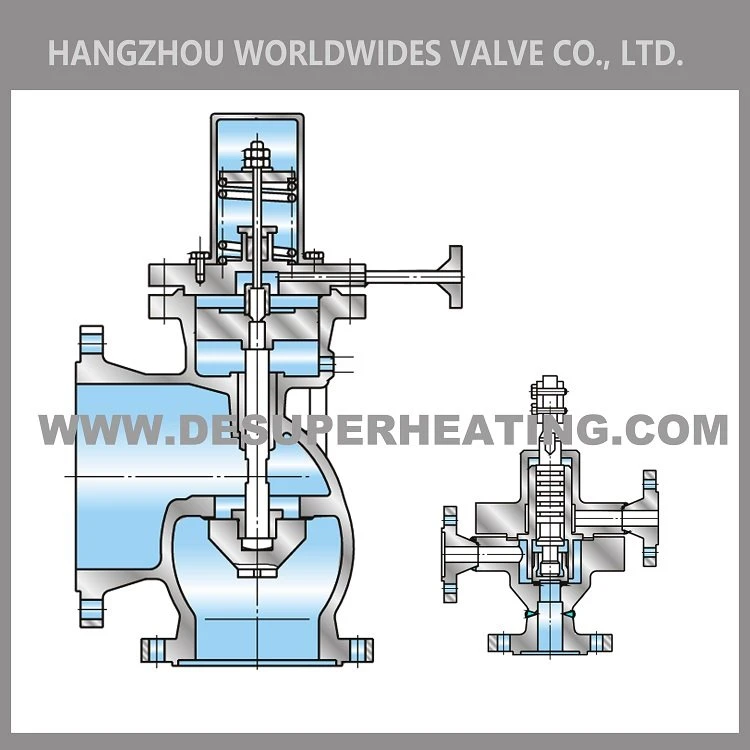

First off, let's quickly go over what industrial safety valves are for. They're designed to protect industrial equipment from over - pressure situations. When the pressure inside a system gets too high, the safety valve opens up to release the excess pressure, preventing damage to the equipment and ensuring the safety of the entire operation.
Now, fluid viscosity is a measure of a fluid's resistance to flow. Think of it like this: honey has a high viscosity because it flows slowly, while water has a low viscosity and flows easily. This property can significantly affect how well a safety valve works.
Impact on Valve Opening Pressure
One of the key aspects is the valve opening pressure. In an ideal situation, a safety valve is set to open at a specific pressure. But when dealing with high - viscosity fluids, things can get a bit tricky. High - viscosity fluids require more force to flow through the valve. This means that the pressure inside the system has to be higher than the normal set pressure to overcome the resistance caused by the fluid's viscosity.
For example, if you have a Hot Water Heater Safety Valve designed to open at a certain pressure for water, using a high - viscosity fluid might cause the valve to open at a much higher pressure. This can be dangerous because the equipment might be subjected to higher pressures than it's designed to handle before the valve finally opens.
Effect on Valve Flow Capacity
The flow capacity of a safety valve is another important factor. Flow capacity refers to the amount of fluid that can pass through the valve when it's open. Viscosity has a direct impact on this. High - viscosity fluids flow more slowly, so the flow rate through the valve is reduced.
Imagine a Heater Safety Valve in a heating system. If the fluid in the system has a high viscosity, the valve might not be able to release the excess pressure quickly enough. This can lead to a build - up of pressure in the system, increasing the risk of equipment failure or even an explosion.
Influence on Valve Closing
Valve closing is just as important as valve opening. After the excess pressure has been released, the valve needs to close properly to prevent further leakage. High - viscosity fluids can make it difficult for the valve to close tightly.
The sticky nature of high - viscosity fluids can cause them to adhere to the valve components, preventing the valve from seating properly. This can result in a slow or incomplete closing of the valve, leading to continuous leakage of the fluid. And continuous leakage is not only a waste of resources but can also pose a safety hazard.
Challenges in Valve Sizing
When it comes to sizing an industrial safety valve, fluid viscosity plays a major role. Selecting the right - sized valve is crucial for its proper functioning. If the valve is too small for the high - viscosity fluid, it won't be able to handle the flow, and the pressure build - up will be a problem. On the other hand, if the valve is too large, it might not open and close accurately.
For instance, a Stainless Steel Pressure Relief Valve needs to be sized correctly based on the viscosity of the fluid it will be handling. If the viscosity is not taken into account during the sizing process, the valve might not perform as expected.
Solutions and Considerations
So, what can we do to deal with the impact of fluid viscosity on industrial safety valves?
- Valve Selection: Choose a valve that is specifically designed to handle high - viscosity fluids. Some valves are engineered with larger orifices and better - designed internal components to reduce the resistance caused by viscosity.
- Regular Maintenance: Regular maintenance is essential, especially when dealing with high - viscosity fluids. This includes cleaning the valve components to remove any build - up of sticky fluid and checking for proper seating and operation.
- Viscosity Monitoring: Keep an eye on the viscosity of the fluid in the system. If the viscosity changes over time, it might be necessary to adjust the valve settings or even replace the valve.
Real - World Examples
Let's look at a real - world scenario. In a chemical processing plant, they were using a safety valve in a system that handled a high - viscosity chemical. Initially, the valve was sized based on the assumption that the fluid had a lower viscosity. As a result, the valve didn't open at the expected pressure, and there was a pressure build - up in the system.
After realizing the issue, they replaced the valve with one that was designed for high - viscosity fluids. This new valve opened at the correct pressure and was able to handle the flow of the chemical effectively, preventing any potential disasters.
Conclusion
In conclusion, fluid viscosity has a significant impact on the performance of industrial safety valves. It affects the opening pressure, flow capacity, closing ability, and sizing of the valve. As a supplier of industrial safety valves, I understand the importance of considering fluid viscosity when selecting and using these valves.
If you're in the market for industrial safety valves and want to ensure that they perform well with your specific fluid, don't hesitate to reach out. We can help you choose the right valve for your application and provide all the support you need. Whether it's a Hot Water Heater Safety Valve, a Heater Safety Valve, or a Stainless Steel Pressure Relief Valve, we've got you covered. Let's have a chat and find the perfect solution for your industrial safety needs.
References
- "Handbook of Valves and Actuators" by A. S. M. Nurul Amin
- "Fluid Mechanics and Hydraulics" by R. C. Hibbeler



