

Hey there! As an industrial safety valve supplier, I often get asked about what types of safety valves are suitable for cryogenic applications. Cryogenic applications involve extremely low temperatures, typically below -150°C (-238°F), and require special valves that can handle these harsh conditions. In this blog post, I'll share some insights on the types of industrial safety valves that work well in cryogenic settings.
First off, let's understand why cryogenic applications need specific safety valves. At such low temperatures, materials can become brittle, and the physical properties of fluids change significantly. For instance, the viscosity of liquids increases, and the density of gases can change drastically. So, safety valves for cryogenic applications must be able to operate reliably under these conditions to prevent over - pressurization and ensure the safety of the entire system.
Ball Valves
Ball valves are a popular choice for cryogenic applications. They are known for their simple design and excellent shut - off capabilities. A ball valve has a spherical disc (the ball) with a hole in the middle. When the valve is open, the hole aligns with the flow path, allowing the fluid to pass through. When closed, the ball rotates to block the flow.
One of the main advantages of ball valves in cryogenic applications is their ability to provide a tight seal. This is crucial because even a small leak in a cryogenic system can lead to significant energy losses and safety hazards. The materials used for ball valves in cryogenic applications are typically stainless steel or other alloys that can withstand low temperatures without becoming brittle.
However, ball valves do have some limitations. They may not be the best choice for applications where fine control of flow is required. Also, the operation of ball valves can be more difficult at extremely low temperatures due to the increased friction between the ball and the seat.
Globe Valves
Globe valves are another option for cryogenic applications. They have a movable disc that sits on a stationary ring seat. When the valve is opened, the disc moves away from the seat, allowing the fluid to flow. When closed, the disc presses against the seat to stop the flow.
Globe valves are known for their good flow control capabilities. They can be used to regulate the flow rate of fluids in cryogenic systems, which is important in many applications. They also offer better throttling performance compared to ball valves.
The construction of globe valves makes them suitable for cryogenic use. The valve stem and disc are usually made of materials that can handle low temperatures. However, globe valves may have a higher pressure drop compared to ball valves, which can be a drawback in some systems.
Check Valves
Check valves are essential in cryogenic applications to prevent backflow. They allow fluid to flow in one direction only. When the pressure on the inlet side is higher than the outlet side, the valve opens, and the fluid can pass through. When the pressure reverses, the valve closes to prevent backflow.
In cryogenic systems, check valves are crucial for maintaining the integrity of the flow and preventing damage to equipment. For example, in a liquefied natural gas (LNG) storage tank, check valves can prevent the backflow of gas into the tank, which could cause over - pressurization.
There are different types of check valves, such as swing check valves and lift check valves. Swing check valves have a hinged disc that swings open and closed, while lift check valves have a disc that moves up and down. Both types can be used in cryogenic applications, but the choice depends on the specific requirements of the system.
Relief Valves
Relief valves are designed to protect cryogenic systems from over - pressurization. When the pressure in the system exceeds a certain set point, the relief valve opens to release the excess pressure. This helps prevent damage to the equipment and ensures the safety of the operators.
There are several types of relief valves suitable for cryogenic applications. One common type is the spring - loaded relief valve. It uses a spring to keep the valve closed until the pressure reaches the set point. When the pressure overcomes the force of the spring, the valve opens.
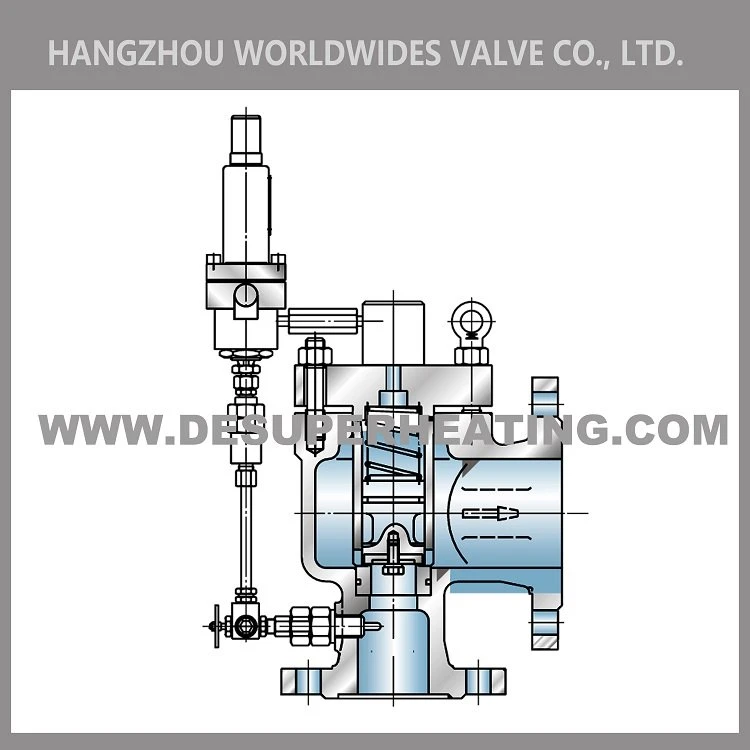
Another type is the pilot - operated relief valve. This valve uses a pilot valve to control the opening and closing of the main valve. Pilot - operated relief valves can offer more precise control of the pressure relief process and are often used in high - pressure cryogenic systems.
When it comes to cryogenic applications, the materials used in relief valves are carefully selected. For example, the valve body, seat, and disc are made of materials that can maintain their mechanical properties at low temperatures.
Specialized Cryogenic Valves
In addition to the standard valve types, there are also specialized cryogenic valves available. These valves are specifically designed to meet the unique requirements of cryogenic applications.
Some specialized cryogenic valves are designed to have very low heat transfer rates. This is important because in cryogenic systems, heat transfer can cause the cryogenic fluid to boil, which can lead to pressure increases and other problems. These valves are often made with insulating materials or have special designs to minimize heat transfer.
Other specialized cryogenic valves are designed for specific industries, such as the LNG industry. These valves may have features like high - flow capacity, tight shut - off, and resistance to corrosion from cryogenic fluids.
Our Offerings
As an industrial safety valve supplier, we offer a wide range of safety valves suitable for cryogenic applications. Whether you need a High Pressure Steam Boiler Safety Valve that can handle high - pressure cryogenic steam, a Compressor Safety Valve for cryogenic compressors, or a Co2 Pressure Relief Valve for carbon dioxide cryogenic systems, we've got you covered.
Our valves are made from high - quality materials and are rigorously tested to ensure they can perform reliably in cryogenic environments. We understand the importance of safety in cryogenic applications, and we are committed to providing our customers with the best - in - class safety valves.
Why Choose Us
When you choose us as your safety valve supplier for cryogenic applications, you can expect:

- Quality Assurance: Our valves are manufactured to the highest standards and undergo strict quality control checks.
- Technical Expertise: Our team of experts has extensive knowledge of cryogenic applications and can help you select the right valve for your specific needs.
- Customization: We can customize our valves to meet your unique requirements, whether it's a special size, material, or design.
- After - Sales Support: We offer comprehensive after - sales support, including installation guidance, maintenance tips, and replacement parts.
Let's Connect
If you're in the market for industrial safety valves for cryogenic applications, don't hesitate to get in touch. We're here to help you find the perfect valve solutions for your cryogenic systems. Whether you're a small business or a large industrial enterprise, we have the products and expertise to meet your needs. Contact us today to start a discussion about your cryogenic valve requirements.
References
- Perry, R. H., & Green, D. W. (Eds.). (2007). Perry's Chemical Engineers' Handbook. McGraw - Hill.
- Walas, S. M. (1988). Chemical Process Equipment: Selection and Design. Butterworth - Heinemann.



