

The opening and closing time of a 2 Port Control Valve is a critical aspect that directly impacts its performance and the overall efficiency of the systems in which it is employed. As a reputable supplier of 2 Port Control Valves, I am well - versed in the factors that influence these time parameters and their significance in various industrial applications.
Understanding 2 Port Control Valves
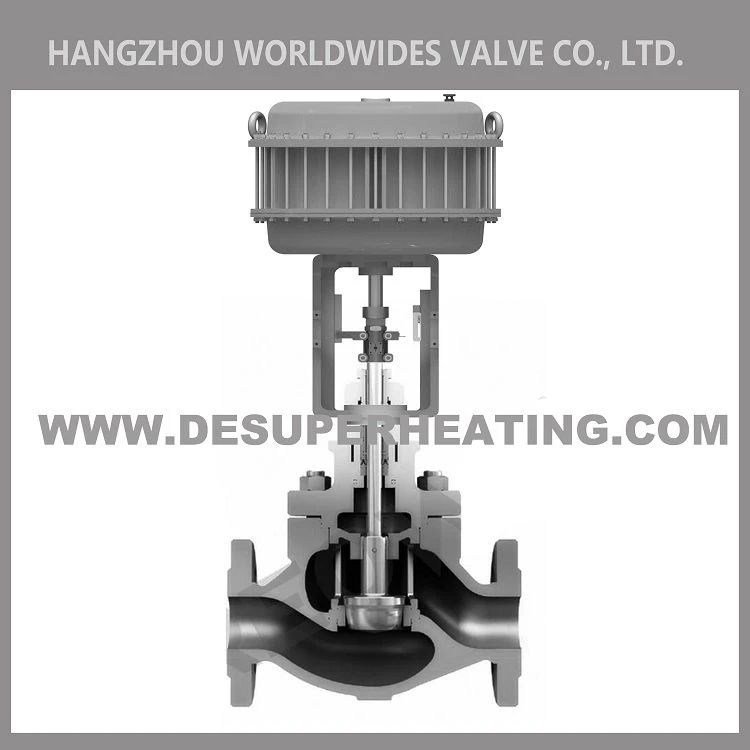
A 2 Port Control Valve is a fundamental component in many fluid control systems. It has two ports - an inlet and an outlet, and its primary function is to regulate the flow of fluids such as water, steam, or gas. By controlling the position of the valve, the flow rate, pressure, and temperature of the fluid can be precisely managed. These valves are commonly used in heating, ventilation, and air - conditioning (HVAC) systems, industrial process control, and water treatment plants.
Factors Affecting Opening and Closing Time
Actuator Type
The actuator is the device that drives the movement of the valve. Different types of actuators have varying speeds of operation, which directly affect the opening and closing time of the 2 Port Control Valve.
- Electric Actuators: Electric actuators are widely used due to their precision and ease of control. They can be programmed to open or close the valve at a specific speed. The opening and closing time of a valve with an electric actuator can range from a few seconds to several minutes, depending on the design and power of the actuator. For example, in a small - scale HVAC system, an electric actuator might open a 2 Port Control Valve in 10 - 15 seconds to quickly adjust the temperature.
- Pneumatic Actuators: Pneumatic actuators use compressed air to operate the valve. They are known for their fast response times. A pneumatic actuator can open or close a 2 Port Control Valve in just a fraction of a second, making them ideal for applications where rapid changes in flow are required, such as in emergency shutdown systems.
- Hydraulic Actuators: Hydraulic actuators offer high force capabilities and are often used in large - scale industrial applications. However, their opening and closing times are relatively slower compared to pneumatic actuators. The time can range from several seconds to a minute or more, depending on the size of the valve and the hydraulic system's design.
Valve Size and Design
The physical size and design of the 2 Port Control Valve also play a significant role in determining its opening and closing time.
- Valve Size: Larger valves generally take longer to open and close than smaller ones. This is because more fluid needs to be displaced, and the actuator has to move a larger valve disc or plug. For instance, a large - diameter 2 Port Control Valve used in a water treatment plant may take several minutes to fully open or close, while a small valve in a laboratory setup can operate much faster.
- Valve Design: Different valve designs, such as globe valves, ball valves, and butterfly valves, have different opening and closing characteristics. Globe valves typically have a slower opening and closing time due to their linear motion design. Ball valves, on the other hand, can open and close quickly with a quarter - turn motion. Butterfly valves also offer relatively fast operation and are often used in applications where quick shut - off is required.
System Pressure and Fluid Properties
The pressure of the fluid in the system and its properties, such as viscosity, can affect the opening and closing time of the 2 Port Control Valve.
- System Pressure: Higher system pressures can make it more difficult for the actuator to move the valve. As a result, the opening and closing time may increase. For example, in a high - pressure steam system, the actuator has to overcome the force exerted by the steam, which can slow down the valve's operation.
- Fluid Viscosity: Viscous fluids, such as oil or thick slurries, can also impede the movement of the valve. The actuator has to work harder to move the valve through the viscous fluid, leading to longer opening and closing times.
Importance of Opening and Closing Time
The opening and closing time of a 2 Port Control Valve is crucial for several reasons:
Process Control
In industrial processes, precise control of fluid flow is essential. The opening and closing time of the valve determines how quickly the process can respond to changes in demand. For example, in a chemical manufacturing process, a fast - acting 2 Port Control Valve can quickly adjust the flow of reactants to maintain the desired reaction rate.

Energy Efficiency
In HVAC systems, the opening and closing time of the valve can affect energy consumption. A valve that opens and closes quickly can more accurately control the flow of hot or cold water, reducing energy waste. For instance, if a valve in a heating system takes too long to close, it can lead to over - heating and unnecessary energy consumption.
Safety
In emergency situations, such as a fire or a leak, the ability of a 2 Port Control Valve to close quickly is vital. A valve with a short closing time can prevent the spread of hazardous fluids or gases, protecting personnel and equipment.
Applications and Optimal Opening/Closing Times
HVAC Systems
In HVAC systems, the opening and closing time of 2 Port Control Valves should be optimized to ensure efficient temperature control. For small - to - medium - sized HVAC units, an opening and closing time of 5 - 20 seconds is often sufficient. This allows for quick adjustments to the flow of hot or cold water, maintaining a comfortable indoor environment.
Industrial Process Control
In industrial processes, the optimal opening and closing time depends on the specific requirements of the process. For example, in a food processing plant, where precise temperature and flow control are critical, a valve may need to open and close within a few seconds. In a power generation plant, where large - scale steam flow needs to be regulated, the opening and closing time may be longer, ranging from 30 seconds to a few minutes.
Other Related Valves in Our Product Range
As a supplier, we also offer a variety of other high - quality control valves, such as the [Large Capacity Steam Pressure Reducing Valve](/industrial - valve/control - valve/large - capacity - steam - pressure - reducing - valve.html), which is designed to handle high - volume steam flow and reduce pressure effectively. The [Pneumatic Pressure Reducing Valve](/industrial - valve/control - valve/pneumatic - pressure - reducing - valve.html) is another great option for applications that require precise pressure control using compressed air. And for applications where bidirectional control is needed, our [Double Acting Control Valve](/industrial - valve/control - valve/double - acting - control - valve.html) provides reliable performance.
Contact for Purchase and Consultation
If you are in need of 2 Port Control Valves or any of our other valve products, we encourage you to contact us for a detailed discussion. Our team of experts can help you select the right valve for your specific application, taking into account factors such as opening and closing time, system pressure, and fluid properties. Whether you are involved in HVAC, industrial process control, or any other field that requires fluid control, we have the solutions to meet your needs.
References
- "Control Valve Handbook" by Clark W. Langeland.
- "Industrial Valves: Selection, Specification, and Sizing" by Richard W. Miller.
- Technical literature from valve manufacturers and industry associations.



