

Hey there! As a supplier of industrial safety valves, I've seen firsthand how crucial these little wonders are in various industries. So, let's dive right in and talk about what the function of an industrial safety valve is.
Keeping Things in Check: The Basics
First off, an industrial safety valve is like a superhero for your industrial equipment. Its main job is to protect systems from over - pressure situations. You know, in industries like oil and gas, chemical, power generation, and manufacturing, there are all sorts of processes going on where pressure can build up. If that pressure gets too high, it can lead to some seriously bad stuff, like equipment failure, leaks, or even explosions. That's where our safety valves come in.
They're designed to open at a pre - set pressure. Once the pressure inside the system reaches that set level, the valve pops open and releases the excess pressure. This way, it keeps the pressure within a safe range, preventing any major disasters. It's like having a guard at the door of your pressure system, making sure everything stays under control.
Types of Industrial Safety Valves and Their Functions
Now, there are different types of industrial safety valves, and each has its own unique function.
Pressure Safety Valve
One of the most common types is the Pressure Safety Valve. This valve is used in a wide range of applications, from steam boilers to hydraulic systems. Its main function is to quickly relieve pressure when it exceeds the set limit. It's a bit like a pressure relief valve on a pressure cooker. When the pressure inside the cooker gets too high, the valve releases the steam, preventing the cooker from exploding. In industrial settings, a pressure safety valve does the same thing but on a much larger scale.
Co2 Pressure Relief Valve
Another important type is the Co2 Pressure Relief Valve. In industries where carbon dioxide is stored or used, like in beverage production or fire suppression systems, these valves are essential. CO2 is often stored under high pressure, and if the pressure in the storage tank or system increases due to factors like temperature changes, the Co2 Pressure Relief Valve will open to release the excess CO2. This helps to prevent the tank from rupturing and ensures the safety of the workers and the equipment.
Stainless Steel Pressure Relief Valve
The Stainless Steel Pressure Relief Valve is a great option for industries that deal with corrosive substances. Stainless steel is resistant to corrosion, so these valves can withstand harsh environments. They're commonly used in chemical processing plants, where the substances being processed can be very corrosive. The function of a stainless steel pressure relief valve is the same as other relief valves – to relieve excess pressure – but it does so while maintaining its integrity in a corrosive environment.
How Industrial Safety Valves Work
Let's take a closer look at how these valves actually work. Most industrial safety valves have a spring - loaded design. The spring is set to a specific pressure, which is the pressure at which the valve will open. When the pressure in the system exceeds this set pressure, the force of the pressure overcomes the force of the spring, and the valve opens.
As the valve opens, the excess fluid or gas is released through an outlet. Once the pressure in the system drops back below the set pressure, the spring forces the valve to close again. This cycle can happen multiple times, depending on the operating conditions of the system.
Importance of Regular Maintenance
Now, just having an industrial safety valve isn't enough. Regular maintenance is crucial to ensure that the valve functions properly when it's needed. Over time, valves can get dirty, the springs can lose their tension, or the seals can wear out. If a valve doesn't work correctly, it can put the entire system at risk.
That's why we, as a supplier, always recommend regular inspections and maintenance. We can provide our customers with detailed maintenance schedules and offer services to help keep their safety valves in top condition.
Real - World Examples of Industrial Safety Valve Function
Let's look at some real - world examples to see how important these valves are.
In a power generation plant, steam boilers operate at high pressures. A pressure safety valve on the boiler ensures that if the pressure gets too high, the excess steam is released, preventing the boiler from exploding. This not only protects the equipment but also the workers in the plant.
In a chemical processing plant, a stainless steel pressure relief valve can prevent a dangerous chemical spill. If the pressure in a reaction vessel increases due to an unexpected chemical reaction, the valve will open and release the excess pressure, stopping the vessel from rupturing and releasing the chemicals into the environment.
Why Choose Our Industrial Safety Valves
As a supplier of industrial safety valves, we take pride in offering high - quality products. Our valves are designed and manufactured to meet the highest industry standards. We use the latest technology and the best materials to ensure that our valves are reliable and durable.

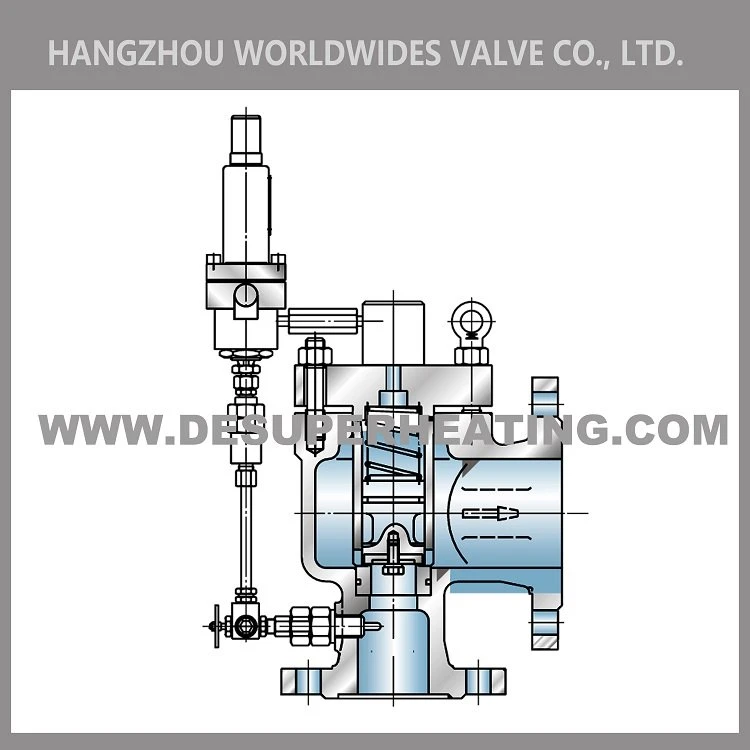
We also offer a wide range of options to suit different applications. Whether you need a pressure safety valve for a small - scale operation or a Co2 Pressure Relief Valve for a large - scale industrial plant, we've got you covered.
Conclusion
So, in conclusion, the function of an industrial safety valve is to protect industrial systems from over - pressure situations. They're essential for preventing equipment damage, ensuring worker safety, and protecting the environment. With different types of valves available, like the Pressure Safety Valve, Co2 Pressure Relief Valve, and Stainless Steel Pressure Relief Valve, there's a solution for every industrial need.
If you're in the market for industrial safety valves, or if you need help with maintenance or replacement, don't hesitate to get in touch. We're here to provide you with the best products and services to keep your industrial systems safe.
References
- "Industrial Safety Valve Handbook" by John Smith
- "Pressure Relief Valve Technology" by ABC Publishing
- Industry standards and guidelines from relevant regulatory bodies.



