

Hey there! As an industry control valve supplier, I've seen all sorts of phenomena and issues related to these valves. One that often comes up and can be a real headache is the flashing phenomenon. So, what exactly is this flashing thing in an industry control valve?
Let's start at the basics. In a control valve, the main job is to regulate the flow of a fluid - could be a liquid, gas, or steam. When we talk about flashing, it mainly happens with liquids. Flashing occurs when a liquid under pressure suddenly experiences a drop in pressure as it passes through the control valve.
Picture this: You've got a liquid flowing in a pipeline at a certain pressure. When it reaches the control valve, the valve restricts the flow, which causes a significant pressure drop across the valve. If the pressure drops below the vapor pressure of the liquid at that temperature, the liquid starts to boil and turn into vapor right there inside the valve or just downstream of it.
This isn't a good thing. It can cause a whole bunch of problems. First off, the vaporization of the liquid changes the flow characteristics inside the valve. The valve is designed to handle a certain volume and flow rate of liquid, but when part of it turns into vapor, the flow becomes uneven and unpredictable. This can lead to inaccurate control of the process.
For example, if you're using a control valve in a chemical process where precise flow rates of liquids are crucial for a reaction, flashing can mess up the whole reaction. The wrong amount of reactants might be mixed, which could result in off - spec products or even dangerous situations.
Another big issue is the damage it can cause to the valve itself. As the liquid turns into vapor, it expands rapidly. This rapid expansion creates shockwaves and high - velocity flow patterns. These can erode the internal parts of the valve, like the valve seat and the plug. Over time, this erosion can lead to leaks, which not only affect the performance of the valve but can also be a safety hazard, especially if the fluid being handled is toxic or flammable.
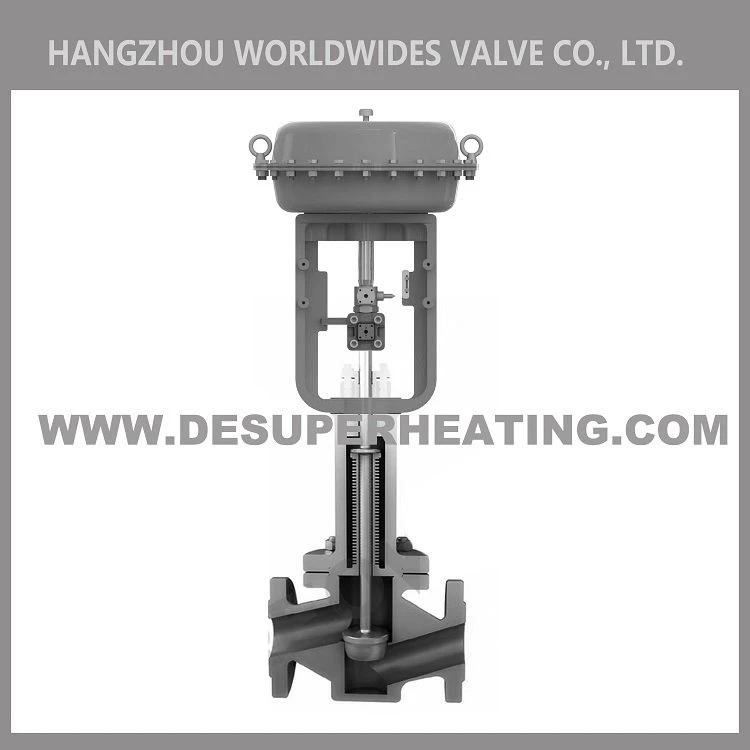

Now, let's look at some of our products and how they relate to this flashing problem. We offer a Large Capacity Steam Pressure Reducing Valve. In a steam system, although we're mainly dealing with steam, there can still be some liquid droplets present. If the pressure drops too quickly in the valve, these droplets can flash, causing similar issues as with pure liquids. Our large - capacity steam pressure reducing valve is designed to handle these situations. It has special features to ensure a smooth pressure reduction and minimize the chances of flashing.
The Pilot Operated Pressure Control Valve is another great option. This valve uses a pilot system to control the main valve. It can be adjusted more precisely to maintain a stable pressure across the valve. By keeping the pressure drop within a safe range, it helps prevent the liquid from reaching the conditions where flashing can occur.
And then there's the High Pressure Water Pressure Control Valve. When dealing with high - pressure water systems, the risk of flashing is always there. Our high - pressure water pressure control valve is built to withstand high pressures and has a design that helps ensure a gradual pressure reduction, reducing the likelihood of flashing.
So, how can you tell if flashing is happening in your control valve? There are a few signs. One is a change in the sound. If you hear a loud, hissing or popping noise coming from the valve, it could be a sign of flashing. Another sign is a decrease in the valve's performance. If you're noticing that the valve isn't controlling the flow as accurately as it used to, or if there's an increase in leakage, flashing could be the culprit.
To prevent flashing, there are a few things you can do. First, make sure you're selecting the right valve for your application. Consider factors like the pressure, temperature, and flow rate of the fluid. Our team of experts can help you with this selection process. Second, you can try to control the pressure drop across the valve. This might involve using a multi - stage valve or adjusting the system to have a more gradual pressure reduction.
If you're facing issues with flashing in your industry control valves or are just looking for reliable control valves for your new projects, don't hesitate to reach out. We're here to help you find the best solutions for your specific needs. Whether it's choosing the right valve, understanding the causes of flashing, or implementing preventive measures, we've got the knowledge and experience to assist you.
In conclusion, flashing in an industry control valve is a serious issue that can affect the performance of your system and damage your valves. But with the right products and proper preventive measures, you can minimize the risk and keep your operations running smoothly. So, if you're in the market for high - quality industry control valves, give us a shout. We'll work with you to ensure you get the best valves for your application.
References
- Flow Control Handbook: A comprehensive guide to understanding the principles of fluid flow and control in industrial settings.
- Valve Engineering Manual: Covers the design, operation, and maintenance of various types of industrial control valves.



