

What is the dynamic performance of a check valve?
As a seasoned check valve supplier, I've witnessed firsthand the critical role these components play in various industrial applications. Check valves, also known as non - return valves, are designed to allow fluid to flow in one direction only, preventing backflow and safeguarding systems from potential damage. Understanding the dynamic performance of a check valve is essential for ensuring optimal system operation and efficiency.
1. Key aspects of dynamic performance
The dynamic performance of a check valve is characterized by several key factors, each of which has a significant impact on its functionality.
Flow characteristics
The flow coefficient, often denoted as Cv, is a crucial parameter in evaluating a check valve's flow capacity. It represents the volume of water (in US gallons per minute) that can flow through the valve with a pressure drop of 1 psi. A higher Cv value indicates that the valve can handle a greater flow rate with less resistance. For instance, in a large - scale water treatment plant, a check valve with a high Cv is required to ensure smooth and efficient water circulation.
Another important flow - related aspect is the valve's ability to open and close in response to the fluid flow. A well - designed check valve should open fully at a relatively low forward flow rate to minimize pressure loss. Conversely, it should close quickly and tightly when the flow direction reverses to prevent backflow. This responsiveness is vital in applications where rapid changes in flow direction occur, such as in pump systems.
Pressure response
The pressure drop across a check valve is an important consideration. When fluid flows through the valve, there is always a certain amount of pressure loss due to the valve's internal structure and flow resistance. Excessive pressure drop can lead to increased energy consumption in the system. For example, in a pipeline transporting natural gas, a high - pressure - drop check valve can result in significant energy waste.
On the other hand, the valve must be able to withstand the maximum operating pressure of the system without leakage or structural failure. This requires careful material selection and proper design. For high - pressure applications, such as in oil and gas pipelines, check valves are often made of high - strength materials like stainless steel or alloy steel.
Closing time
The closing time of a check valve is a critical factor in preventing water hammer and other hydraulic transients. Water hammer occurs when the flow in a pipeline is suddenly stopped or reversed, causing a pressure surge. A check valve with a fast closing time can effectively reduce the risk of water hammer by quickly sealing off the reverse flow. In a power generation plant's cooling water system, a fast - closing check valve can protect the pumps and other equipment from damage caused by water hammer.
2. Different types of check valves and their dynamic performance
There are several types of check valves, each with its own unique dynamic performance characteristics.
Swing check valves
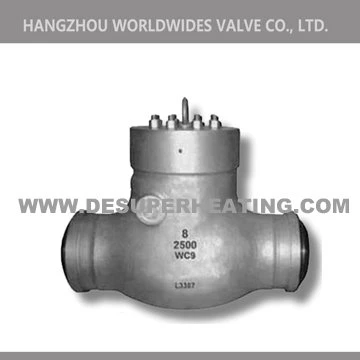
Swing check valves are one of the most common types. They consist of a disc that swings on a hinge to allow or block the flow. The dynamic performance of swing check valves is influenced by the size and weight of the disc. Larger discs may require more flow to open fully, resulting in a higher pressure drop. However, they can provide a tight seal when closed.
The Swing Check Valve For Steam is specifically designed for steam applications. Steam has unique properties such as high temperature and low density, which require the valve to have good thermal resistance and proper flow characteristics. Swing check valves for steam are often made of materials that can withstand high - temperature environments, such as cast steel or stainless steel.
Lift check valves
Lift check valves operate by lifting a disc off its seat to allow flow. They offer relatively low pressure drop compared to swing check valves, especially in small - size applications. The disc in a lift check valve moves linearly, which allows for a more precise control of the flow. However, they may be more prone to clogging in dirty or viscous fluid applications.
Ball check valves
Ball check valves use a ball to control the flow. They are simple in design and have a quick response time. The ball can move freely to open and close the valve, making them suitable for applications with rapid flow changes. However, they may not provide as tight a seal as swing or lift check valves in some cases.
3. Factors affecting dynamic performance
Several factors can affect the dynamic performance of a check valve.
Fluid properties
The viscosity, density, and temperature of the fluid have a significant impact on the valve's performance. Viscous fluids can cause higher pressure drops and may require larger - sized valves to ensure proper flow. High - temperature fluids can affect the material properties of the valve, leading to potential expansion or deformation. For example, in a chemical processing plant, handling highly viscous and corrosive fluids requires check valves made of special materials with appropriate dynamic performance characteristics.
Installation conditions
The orientation and position of the check valve during installation can also influence its performance. Swing check valves, for instance, must be installed in a horizontal or vertical position with the correct flow direction. Incorrect installation can lead to improper valve operation, such as the disc not opening or closing fully.
System design
The overall system design, including the pipeline layout, pump characteristics, and operating conditions, can affect the dynamic performance of the check valve. A well - designed system should consider the interaction between the check valve and other components to ensure optimal performance. For example, in a complex piping network, the presence of elbows, tees, and other fittings can cause flow disturbances that may impact the check valve's operation.
4. Importance of understanding dynamic performance for users
For end - users, understanding the dynamic performance of a check valve is crucial for system reliability and efficiency. By selecting the right type of check valve with appropriate dynamic performance characteristics, users can ensure smooth system operation, reduce energy consumption, and prevent equipment damage.
In industries such as oil and gas, power generation, and water treatment, the proper functioning of check valves is often a matter of safety and productivity. A malfunctioning check valve can lead to costly downtime, environmental hazards, and even safety accidents. Therefore, users should work closely with suppliers to select the most suitable check valves for their specific applications.
5. Our role as a check valve supplier
As a check valve supplier, we are committed to providing high - quality products with excellent dynamic performance. We have a team of experienced engineers who can assist customers in selecting the right check valves based on their specific requirements. Our product range includes various types of check valves, such as swing, lift, and ball check valves, suitable for different applications and operating conditions.
We conduct rigorous testing on our check valves to ensure that they meet or exceed industry standards. Our testing facilities allow us to simulate different flow and pressure conditions to evaluate the dynamic performance of the valves accurately. We also provide comprehensive technical support to our customers, including installation guidance and troubleshooting.
If you are in need of check valves for your industrial applications, we invite you to contact us for procurement and further discussion. We are confident that our products and services will meet your expectations and contribute to the success of your projects.
References
- ASME Boiler and Pressure Vessel Code
- API Standards for Valves in the Oil and Gas Industry
- ISO Standards for Valve Performance and Testing



