

Hey there! As a control valve supplier, I've been getting a lot of questions about the dynamic characteristics of control valves lately. So, I thought I'd write this blog to break it down for you in a way that's easy to understand.
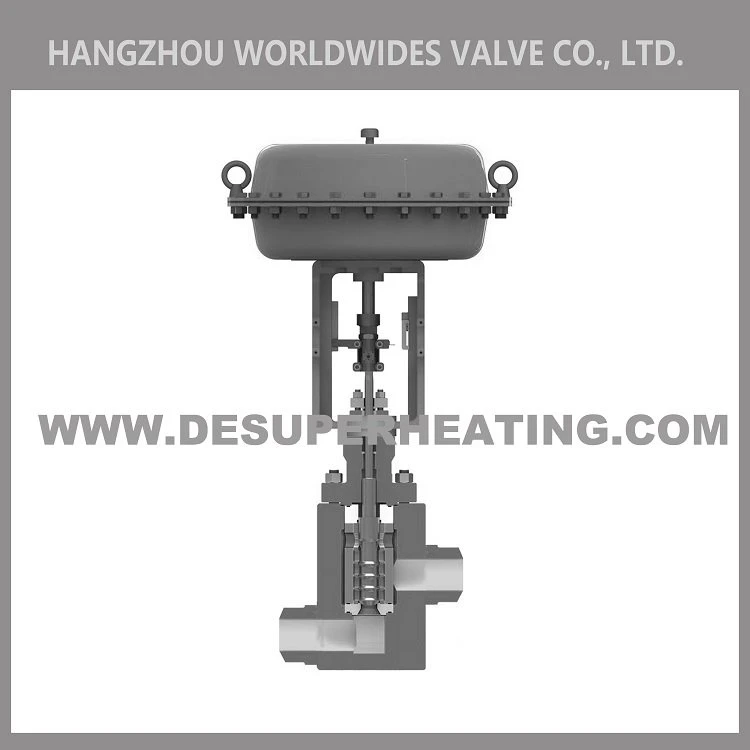
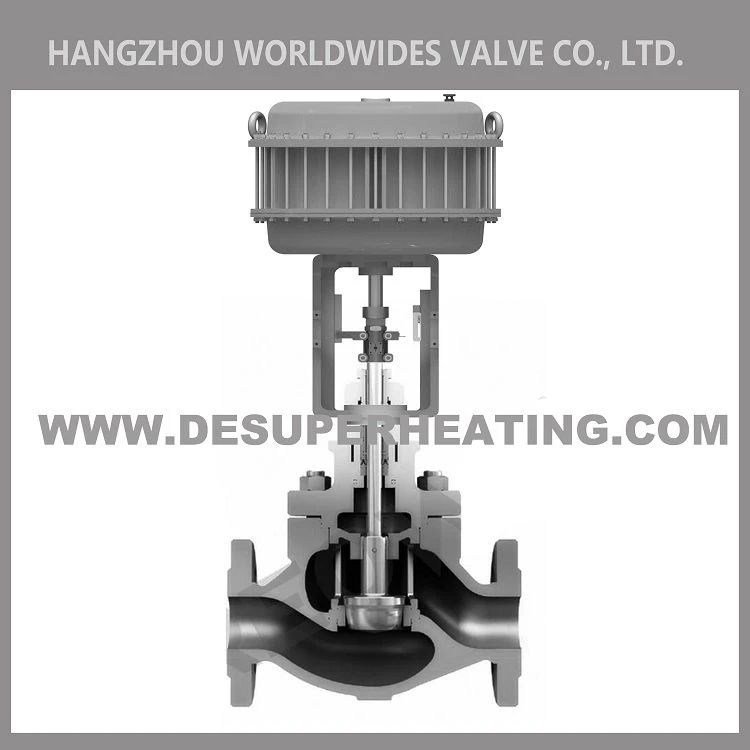
Let's start with the basics. What exactly do we mean by the dynamic characteristics of a control valve? Well, it's all about how the valve behaves over time when there are changes in the process conditions. This includes things like how quickly the valve can open or close, how it responds to changes in pressure or flow rate, and how stable it is during operation.
One of the key dynamic characteristics is the valve's response time. This is the time it takes for the valve to move from one position to another in response to a control signal. A fast response time is crucial in applications where quick adjustments are needed to maintain process stability. For example, in a chemical plant where the flow rate of a reactant needs to be precisely controlled, a valve with a slow response time could lead to inaccurate dosing and potentially affect the quality of the final product.
Another important aspect is the valve's flow capacity. This is the maximum amount of fluid that the valve can pass through under specific conditions. It's usually expressed in terms of flow coefficient (Cv). A higher Cv value means the valve can handle a larger flow rate. When selecting a control valve, it's essential to choose one with an appropriate Cv value for your application. If the valve's Cv is too low, it may cause excessive pressure drop and limit the flow, while a valve with a Cv that's too high may not provide precise control.
The valve's stability is also a critical dynamic characteristic. A stable valve will maintain its position and performance even when there are fluctuations in the process. Instability can lead to oscillations in the flow rate or pressure, which can be detrimental to the process. Factors that can affect valve stability include the valve's design, the type of actuator used, and the characteristics of the process fluid.
Now, let's talk about some of the different types of control valves and their dynamic characteristics.
Pneumatic Pressure Reducing Valve
A Pneumatic Pressure Reducing Valve is commonly used to regulate the pressure of a pneumatic system. These valves are designed to reduce the inlet pressure to a constant outlet pressure, regardless of changes in the inlet pressure or flow rate. They typically have a relatively fast response time, making them suitable for applications where quick pressure adjustments are required. However, their flow capacity may be limited compared to some other types of valves.
Steam Pressure Reducing Valve
Steam Pressure Reducing Valves are used to control the pressure of steam in industrial processes. These valves need to be able to handle high temperatures and pressures. They usually have a slower response time compared to pneumatic valves due to the nature of steam and the need for precise control. However, they offer excellent stability and can maintain a consistent outlet pressure even under varying steam conditions.
Sprayer Control Valve
Sprayer Control Valves are used in applications such as agricultural spraying and industrial coating. These valves are designed to control the flow of liquid and create a fine spray. They typically have a high flow capacity and a fast response time to ensure accurate and efficient spraying. However, they need to be carefully selected based on the viscosity of the fluid and the desired spray pattern.
When it comes to choosing the right control valve for your application, it's important to consider all of these dynamic characteristics. You also need to take into account other factors such as the type of fluid, the operating temperature and pressure, and the required level of control accuracy.
At our company, we have a wide range of control valves to meet your needs. Our team of experts can help you select the best valve for your application based on its dynamic characteristics and other requirements. We also offer installation, maintenance, and repair services to ensure that your valves perform at their best.
If you're in the market for a control valve or have any questions about their dynamic characteristics, don't hesitate to get in touch. We're here to help you make the right choice and ensure the success of your process.
References
- Smith, J. (2020). Control Valve Handbook. New York: Industrial Press.
- Johnson, R. (2019). Understanding Control Valve Dynamics. Journal of Process Control, 32, 123 - 135.



