

Hey there! As a supplier of heater safety valves, I often get asked about the difference between a full - lift and a micro - lift heater safety valve. So, I thought I'd write this blog to break it down for you in a simple and easy - to - understand way.
Let's start with the basics. A heater safety valve is a crucial component in any heating system. Its main job is to protect the system from over - pressurization. When the pressure inside the heater exceeds a certain limit, the safety valve opens up to release the excess pressure, preventing potential disasters like explosions or equipment damage.
What is a Full - Lift Heater Safety Valve?
A full - lift heater safety valve is designed to open fully when the set pressure is reached. Once the valve starts to open, it quickly reaches its maximum lift, allowing a large amount of fluid or gas to escape rapidly. This type of valve is great for systems that need to release a significant amount of pressure in a short period.
One of the key features of a full - lift valve is its high flow capacity. Because it opens fully, it can handle a large volume of fluid or gas flow. This makes it ideal for applications where there's a sudden and large increase in pressure, like in steam boilers or high - pressure gas systems.
For example, in a large industrial steam boiler, the pressure can build up very quickly. A full - lift safety valve can respond fast and release the excess steam to keep the system safe. You can check out more about full - lift valves like the Full Bore Type Safety Valve and Full Nozzle Safety Valve on our website. These valves are engineered to provide maximum flow and reliable pressure relief.
What is a Micro - Lift Heater Safety Valve?
On the other hand, a micro - lift heater safety valve only opens a small amount when the set pressure is reached. Instead of a full opening, it has a very limited lift, usually just a fraction of an inch. This results in a relatively small amount of fluid or gas being released at a time.
Micro - lift valves are often used in systems where a small and controlled release of pressure is required. They're great for applications where the pressure increase is gradual and not as extreme. For instance, in some low - pressure water heating systems, a micro - lift valve can maintain the pressure within a safe range without causing a large disruption to the system.
Another advantage of micro - lift valves is their precision. They can be adjusted to open at very specific pressure levels, allowing for a more accurate control of the system pressure. If you're dealing with a system that requires a fine - tuned pressure relief, a micro - lift valve might be the way to go. You can also find some great options for micro - lift valves on our site, and while we don't have a direct link for micro - lift here, the principles are similar to our Co2 Pressure Relief Valve which also offers precise pressure control.
Key Differences
1. Lift and Flow Capacity
As mentioned earlier, the most obvious difference is the lift. A full - lift valve opens fully, giving it a high flow capacity. In contrast, a micro - lift valve has a limited lift, resulting in a lower flow capacity. If your system needs to handle a large and sudden pressure increase, a full - lift valve is the better choice. But if you only need a small and controlled release, a micro - lift valve will do the job.
2. Response Time
Full - lift valves are designed to respond quickly to pressure changes. They can open in an instant when the set pressure is reached, which is crucial for systems where rapid pressure relief is essential. Micro - lift valves, however, may have a slightly slower response time since they're designed for more gradual pressure changes.
3. Application
Full - lift valves are commonly used in high - pressure and high - volume systems such as industrial boilers, large gas pipelines, and power plants. Micro - lift valves are more suitable for low - pressure and low - volume systems like domestic water heaters, small air compressors, and some chemical processing units.
4. Cost
Generally, full - lift valves tend to be more expensive than micro - lift valves. This is because they're designed to handle higher pressures and larger volumes, which requires more robust construction and better materials. If cost is a major factor in your decision - making, you'll need to weigh the benefits of a full - lift valve against your budget.
Which One Should You Choose?
Choosing between a full - lift and a micro - lift heater safety valve depends on several factors. First, consider the pressure requirements of your system. If you have a high - pressure system with the potential for sudden pressure spikes, a full - lift valve is the way to go. But if your system has a low - pressure and more stable environment, a micro - lift valve will be sufficient.
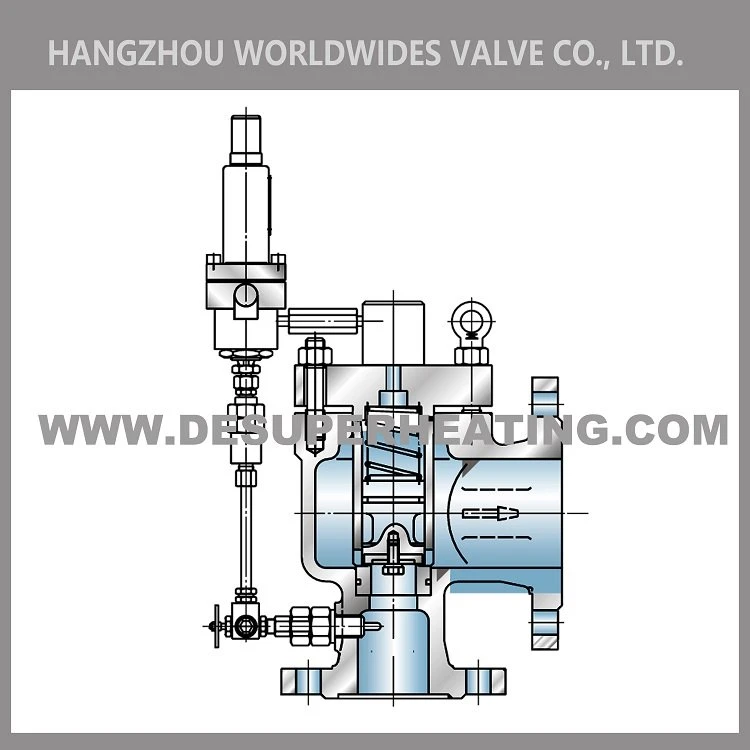

Next, think about the flow capacity. If you need to release a large amount of fluid or gas quickly, a full - lift valve is better. For a small and controlled release, a micro - lift valve is the right option.
Also, don't forget about your budget. As mentioned, full - lift valves are usually more expensive. So, make sure you balance the cost with the performance you need.
If you're still not sure which valve is right for your application, don't hesitate to reach out to us. We're a professional heater safety valve supplier, and our team of experts can help you make the best choice based on your specific requirements.
In conclusion, both full - lift and micro - lift heater safety valves play important roles in protecting heating systems. Understanding their differences will help you select the most appropriate valve for your needs, ensuring the safety and efficiency of your system.
If you're interested in purchasing heater safety valves or have any questions about our products, feel free to contact us for a detailed discussion. We're here to provide you with the best solutions for your heating system's safety.
References
- ASME Boiler and Pressure Vessel Code
- API Standards for Pressure Relief Devices
- Manufacturer's Technical Manuals for Heater Safety Valves



