

What is the Cost of a Gate Valve?
As a gate valve supplier, I often encounter customers who are eager to understand the cost factors associated with gate valves. The cost of a gate valve is not a one - size - fits - all figure; it is influenced by a multitude of elements that we will explore in this blog.
1. Valve Material
One of the primary determinants of a gate valve's cost is the material from which it is made. Different materials offer varying levels of durability, corrosion resistance, and suitability for different applications.
-
Cast Iron: Cast iron gate valves are generally the most affordable option. They are commonly used in low - pressure and non - corrosive applications such as water supply systems in buildings. Cast iron is relatively inexpensive to produce, and its manufacturing process is well - established. However, it is less resistant to corrosion compared to other materials, which limits its use in harsh environments.
-
Carbon Steel: Carbon steel gate valves are more expensive than cast iron ones. Carbon steel offers better strength and durability, making it suitable for higher - pressure applications. It can withstand a wider range of temperatures and is often used in industrial settings such as oil and gas pipelines. The cost of carbon steel gate valves is higher due to the cost of the raw material and the more complex manufacturing processes required to ensure its quality.
-
Stainless Steel: Stainless steel gate valves are the most expensive among these common materials. Stainless steel provides excellent corrosion resistance, making it ideal for applications where the fluid being transported is corrosive, such as in chemical processing plants or marine environments. The high cost of stainless steel is attributed to the cost of the alloying elements and the advanced manufacturing techniques needed to produce a high - quality valve.
2. Valve Size
The size of a gate valve has a significant impact on its cost. Larger valves require more material for their construction, which directly increases the cost. Additionally, the manufacturing process for larger valves is more complex.
-
Small - Sized Valves: Small - sized gate valves, typically with a diameter of less than 2 inches, are relatively inexpensive. They are commonly used in household plumbing systems or small - scale industrial applications. The manufacturing process for these valves is more streamlined, and the amount of material required is minimal.
-
Medium - Sized Valves: Medium - sized gate valves, with diameters ranging from 2 to 12 inches, are more expensive than small - sized ones. These valves are often used in commercial buildings, small - to - medium - sized industrial plants, and municipal water supply systems. The increased size requires more material and more precise manufacturing processes to ensure proper functioning.
-
Large - Sized Valves: Large - sized gate valves, with diameters greater than 12 inches, are the most expensive. They are used in large - scale industrial applications such as power plants, refineries, and large - diameter pipelines. The manufacturing of these valves requires specialized equipment and a high level of expertise, which drives up the cost.
3. Valve Design and Type
The design and type of a gate valve also play a role in determining its cost.
-
Rising Stem vs. Non - Rising Stem: Rising stem gate valves have a stem that rises as the valve is opened, which provides a visual indication of the valve's position. Non - rising stem gate valves, on the other hand, have a stem that does not rise but rotates to open and close the valve. Non - rising stem gate valves are often used in applications where space is limited. The cost of a non - rising stem gate valve can vary depending on its design and materials. You can find more information about non - rising stem gate valves here.
-
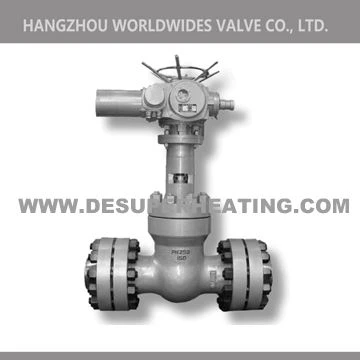
Manual vs. Automated Valves: Manual gate valves are operated by hand, usually using a handle wheel. They are the simplest and most cost - effective option for many applications. Handle wheel manual gate valves are widely used in applications where the valve does not need to be operated frequently or where automation is not required. You can explore our range of Handle Wheel Manual Gate Valve. Automated gate valves, such as those operated by electric, pneumatic, or hydraulic actuators, are more expensive. The cost of the actuator and the additional control systems required for automation contribute to the higher price.
-
Flanged vs. Threaded Valves: Flanged gate valves are connected to the pipeline using flanges, which provide a more secure and leak - proof connection. They are commonly used in high - pressure and large - diameter applications. Flange gate valves are generally more expensive than threaded gate valves. Threaded gate valves are easier to install and are often used in low - pressure and small - diameter applications. You can check out our Flange Gate Valve for more details.
4. Quality and Certification
The quality of a gate valve and the certifications it holds can also affect its cost.

-
High - Quality Valves: High - quality gate valves are manufactured to strict standards, using high - grade materials and advanced manufacturing processes. These valves are more reliable and have a longer service life. They are often used in critical applications where valve failure can have serious consequences. The cost of high - quality valves is higher due to the investment in quality control and the use of superior materials.
-
Certifications: Gate valves that hold certifications such as API (American Petroleum Institute), ASME (American Society of Mechanical Engineers), or ISO (International Organization for Standardization) are more expensive. These certifications ensure that the valve meets specific industry standards for quality, performance, and safety. Customers are often willing to pay a premium for certified valves, especially in industries where regulatory compliance is crucial.
5. Market Conditions
Market conditions also have an impact on the cost of gate valves.
-
Raw Material Prices: Fluctuations in the prices of raw materials such as steel, iron, and stainless steel can directly affect the cost of gate valves. When the price of raw materials increases, the cost of manufacturing gate valves also goes up. Suppliers may need to adjust their prices accordingly to maintain profitability.
-
Supply and Demand: The balance between supply and demand in the market can influence the cost of gate valves. If there is a high demand for gate valves and a limited supply, prices are likely to increase. Conversely, if the supply exceeds the demand, prices may decrease.
Contact for Procurement
If you are interested in purchasing gate valves and want to discuss the specific cost factors based on your requirements, we are here to help. Our team of experts can provide you with detailed information about our products, including their features, benefits, and pricing. We understand that every project is unique, and we are committed to finding the best gate valve solution for your needs. Whether you need a small - sized manual valve for a residential project or a large - sized automated valve for an industrial application, we have the expertise and resources to meet your requirements.
References
- Valve Manufacturers Association of America. (2023). Valve Handbook.
- American Society of Mechanical Engineers. (2022). ASME Standards for Valves.
- International Organization for Standardization. (2021). ISO Standards for Industrial Valves.



